
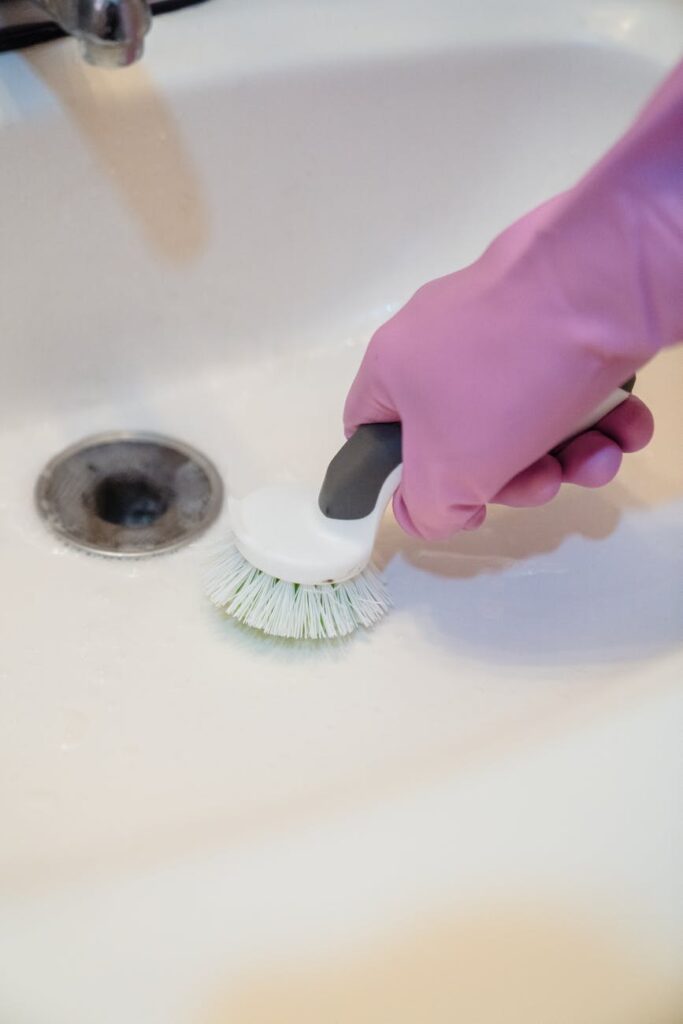
Drain Odor Removal Cleaning Guide Part 1
Introduction
If you’ve ever encountered an unpleasant smell wafting from your kitchen or bathroom sink, you’re not alone. Drain odors are a common household issue that can stem from a variety of sources. This guide will provide you with practical steps to identify, fix, and prevent drain odors in your home.
What Causes Drain Odors?
Drain odors are often the result of decomposing organic material, buildup of soap scum, grease, or even stagnant water. Here are some common causes:
1. Food Waste: Bits of food can get trapped in the drain, leading to decomposition.
2. Soap Residue: Soap scum can accumulate, providing a breeding ground for bacteria.
3. Hair and Grease: These can create clogs that trap odors.
4. Stagnant Water: Water that doesn’t drain properly can produce foul smells.
5. Sewer Gas: In some cases, sewer gas can escape through poorly sealed drains.
Understanding these causes will help you take effective action to eliminate the odors.
Why This Problem Happens
Drain odors often occur due to inadequate cleaning and maintenance. Over time, food particles, hair, and other debris can build up, leading to clogs that trap smells. Additionally, if a drain trap isn’t functioning properly, sewer gases can seep into your home. Factors like age and plumbing issues can also contribute to persistent odors.
How to Fix Drain Odor (Step-by-Step)
Step 1: Assess the Situation
Begin by identifying which drain emits the odor. This could be in the kitchen, bathroom, or laundry area. Check if the smell is localized or if it permeates throughout the home.
Step 2: Gather Your Supplies
You’ll need the following supplies:
- Baking soda
- White vinegar
- Boiling water
- A plunger
- A drain snake or auger
- Dish soap
- A bucket
Step 3: Clear the Drain
1. Remove Visible Debris: Use a pair of gloves to remove any visible debris from the drain.
2. Pour Boiling Water: Carefully pour boiling water down the drain to help dissolve grease or soap buildup.
Step 4: Use Baking Soda and Vinegar
1. Add Baking Soda: Pour about half a cup of baking soda into the drain.
2. Follow with Vinegar: Add half a cup of white vinegar. You’ll notice fizzing, which means it’s working.
3. Wait: Let the mixture sit for at least 30 minutes.
Step 5: Flush the Drain
After 30 minutes, flush the drain with hot water. This helps to remove any remaining debris and neutralize odors.
Step 6: Use a Plunger
If the odors persist, try using a plunger to create suction. This can help dislodge any trapped debris.
Step 7: Snake the Drain
If the odor continues, use a drain snake to reach deeper clogs. Insert the snake into the drain and twist it to break up any buildup.
Best Cleaning Methods
1. Baking Soda and Vinegar: This classic method is effective for breaking down grease and eliminating odors.
2. Boiling Water: Regularly flushing your drains with boiling water can help prevent buildup.
3. Dish Soap: Pouring a bit of dish soap down the drain can help break down grease.
4. Commercial Drain Cleaners: Use these sparingly, as they can be harsh on pipes. Always follow the manufacturer’s instructions.
Common Mistakes to Avoid
1. Ignoring Small Odors: Don’t wait for the smell to get worse; address it promptly.
2. Using Harsh Chemicals: Frequent use of strong chemical cleaners can damage your plumbing.
3. Neglecting Routine Maintenance: Regular cleaning can prevent odors from developing in the first place.
4. Not Checking the P-Trap: If odors persist, ensure the P-trap is functioning properly and not dry.
Prevention Tips
1. Run Hot Water: Regularly flush your drains with hot water to prevent buildup.
2. Use a Drain Strainer: This will catch food particles and hair before they enter the drain.
3. Regular Maintenance: Schedule drain cleaning every few months to keep odors at bay.
4. Avoid Pouring Grease: Never pour grease down the drain; instead, dispose of it in the trash.
Frequently Asked Questions
1. How often should I clean my drains?
Aim to clean your drains every 1-3 months, depending on usage.
2. Can I use bleach to clean my drains?
While bleach can kill bacteria, it’s harsh on pipes and can create harmful fumes when mixed with other cleaners. Avoid it for drain cleaning.
3. Why does my bathroom sink smell worse than my kitchen sink?
Bathroom sinks often accumulate hair, soap scum, and toothpaste, which can lead to stronger odors.
4. Can I use essential oils to mask odors?
Essential oils can provide a pleasant fragrance, but they do not eliminate the source of the odor. It’s best to address the root problem first.
5. How do I know if I have a sewer gas problem?
If you smell a strong rotten egg odor near your drains, it could indicate a sewer gas leak. This should be addressed immediately by a professional plumber.
6. What if my drain odor persists after cleaning?
If odors continue despite cleaning, consider consulting a plumber to inspect for deeper plumbing issues.
By following this guide, you can effectively tackle drain odors and maintain a fresh-smelling home. Keep an eye on your drains, and don’t hesitate to take action at the first sign of trouble.