
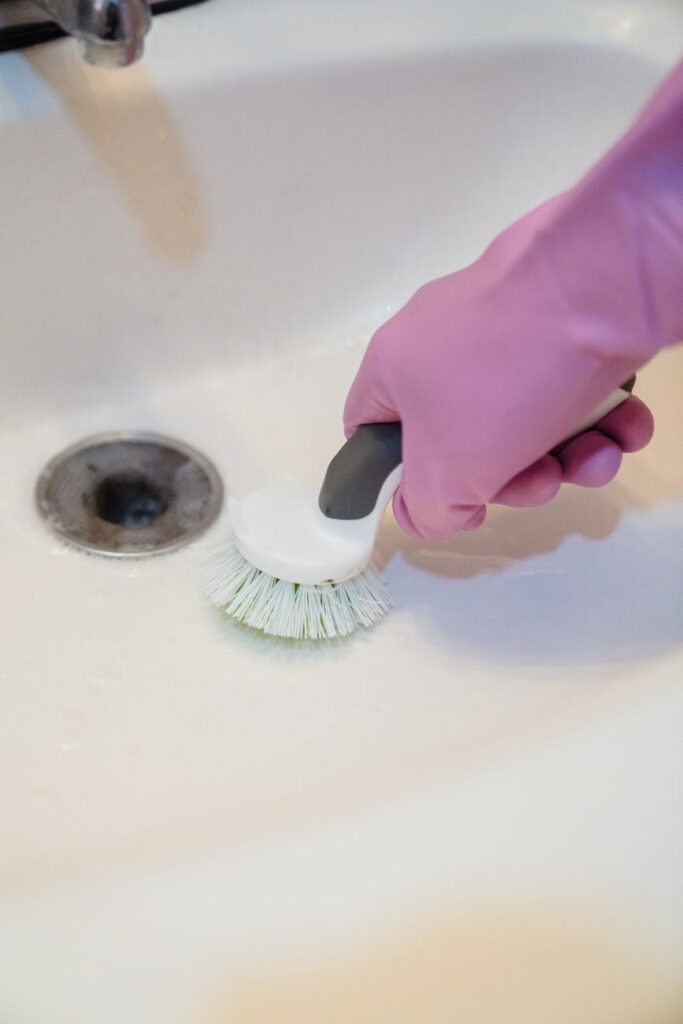
Drain Odor Removal Bathroom Guide Part 2
Introduction
Bathroom drain odors can be unpleasant and persistent, leading to an uncomfortable environment. This guide provides practical solutions to help you identify the causes of these odors, offers step-by-step fixes, and shares preventive measures to keep your bathroom smelling fresh.
What Causes Bathroom Odors?
Bathroom odors often stem from several sources:
1. Clogged Drains: Hair, soap scum, and other debris can build up in your drains, leading to stagnant water and unpleasant smells.
2. Dry P-Trap: The P-trap is a U-shaped pipe that holds water, preventing sewer gas from entering your home. If it dries out, odors can escape.
3. Sewer Gas: Issues with your plumbing, such as a broken seal or venting problem, can allow sewer gas to enter your bathroom.
4. Mold and Mildew: Humidity in bathrooms can lead to mold growth, which can produce a musty smell.
Why This Problem Happens
Understanding the root cause of bathroom odors is essential for effective remediation:
- Poor Ventilation: Bathrooms often lack adequate airflow, allowing moisture to accumulate and create an ideal environment for odors.
- Neglected Cleaning: Regular cleaning is necessary to prevent buildup in drains and on surfaces.
- Old Plumbing: Aging pipes may corrode or develop leaks, causing odors to seep through.
- Inspect Drains: Check each drain for clogs by running hot water and observing if any slow drainage occurs.
- Check P-Trap: Look under your sink or shower to ensure the P-trap is filled with water.
- Smell Test: Identify any areas that seem to have a stronger odor.
- Pour 1/2 cup of baking soda down the drain.
- Follow with 1/2 cup of vinegar.
- Cover the drain and let it sit for 30 minutes. Rinse with hot water.
- Pour water into the sink or shower to refill the P-trap if it’s dry. If it’s frequently drying out, consider using a small amount of mineral oil to help retain moisture.
- If odors persist, check for any leaks or gaps in your plumbing. Tighten any loose fittings and replace damaged seals.
How to Fix Bathroom Odors (Step-by-Step)
Step 1: Identify the Source
Step 2: Clear Clogs
1. Boiling Water: Pour boiling water down the drain to dissolve soap scum and debris. Do this once a week for maintenance.
2. Baking Soda and Vinegar:
Step 3: Check the P-Trap
Step 4: Inspect for Sewer Gas
Best Cleaning Methods
Baking Soda and Vinegar
This classic combination is effective for removing odor-causing debris. The fizzing action helps break down clogs.
Enzyme Cleaners
These cleaners use natural enzymes to digest organic material in drains. Apply as directed on the label for best results.
Commercial Drain Cleaners
While effective, these should be used sparingly due to potential damage to pipes. Always follow the manufacturer’s instructions.
Common Mistakes to Avoid
1. Ignoring Regular Maintenance: Skipping regular cleaning can lead to bigger problems.
2. Using Too Much Chemical Cleaners: Overuse can corrode pipes and create more issues.
3. Neglecting Ventilation: Always ensure your bathroom has adequate airflow to prevent humidity buildup.
4. Ignoring Minor Issues: Small leaks and odors can escalate into bigger problems if not addressed promptly.
Prevention Tips
1. Regular Cleaning: Clean drains weekly with hot water, baking soda, and vinegar.
2. Use Drain Screens: Install screens to catch hair and debris, preventing clogs.
3. Keep Doors Open: Allow air to circulate by keeping the bathroom door open when not in use.
4. Use a Dehumidifier: If moisture is an issue, consider using a dehumidifier to reduce humidity levels.
Frequently Asked Questions
1. How often should I clean my bathroom drains?
It’s advisable to clean your bathroom drains once a week to prevent buildup.
2. What can I do if the odor persists after cleaning?
If odors continue, inspect for plumbing issues or consider calling a professional plumber.
3. Can I use bleach to clean my drains?
While bleach can disinfect, it’s not recommended for drains as it can react with other substances and may damage your plumbing.
4. Are there any natural solutions for drain odors?
Yes, baking soda and vinegar are excellent natural solutions for tackling drain odors.
5. How can I tell if the smell is from sewer gas?
If the smell resembles rotten eggs or sewage, it may be sewer gas. Check for leaks and consult a plumber if needed.
6. What should I do if I have a persistent clog?
If you’re unable to clear a clog with home remedies, it’s best to consult a professional plumber to avoid damage to your plumbing system.
By following the steps in this guide, you can effectively tackle and prevent those pesky drain odors in your bathroom, ensuring a fresh and inviting space.