
Drain Mold Removal Stains Guide Part 1
Introduction
Stains from mold and mildew in drains can be a persistent nuisance for homeowners. Not only do they look unappealing, but they can also lead to unpleasant odors and potential plumbing issues. This guide will provide you with practical steps to identify, remove, and prevent stains caused by mold in your drains.
What Causes Stains?
Mold stains in drains are typically caused by a combination of moisture, organic material, and lack of proper ventilation. Here are some common culprits:
- Food Residue: Bits of food can become trapped in the drain, providing a perfect breeding ground for mold.
- Soap Scum: Soap can leave behind a residue that combines with moisture, promoting mold growth.
- Poor Ventilation: Areas that lack airflow can retain moisture, creating an ideal environment for mold to thrive.
- High Humidity: In humid climates, mold can grow rapidly, affecting drains and surrounding areas.
- Rubber gloves
- Scrub brush or old toothbrush
- Baking soda
- White vinegar
- Hot water
- Spray bottle
- Microfiber cloth
- Baking Soda and Vinegar: A natural and safe method that effectively breaks down mold and stains.
- Hydrogen Peroxide: This can be used for tougher stains. Apply it directly to the stained area, let it sit for 10 minutes, and then scrub.
- Commercial Mold Removers: If natural methods fail, consider a commercial mold remover specifically designed for drains. Follow the manufacturer’s instructions closely.
- Regular Cleaning: Clean your drains at least once a month using the baking soda and vinegar method.
- Avoid Food Waste: Use a drain strainer to catch food particles and prevent them from entering the drain.
- Improve Airflow: Keep bathroom and kitchen doors open and use exhaust fans to reduce humidity.
- Check for Leaks: Regularly inspect your plumbing for leaks, as moisture can encourage mold growth.
Why This Problem Happens
Understanding why mold stains develop is crucial for effective cleaning and prevention. When organic materials break down in moist environments, they create mold spores. These spores thrive in conditions of warmth and humidity, leading to visible stains in your drains. If these conditions persist, mold can spread and lead to more significant issues, such as blockages or unpleasant odors.
How to Fix Stains (Step-by-Step)
Step 1: Gather Your Supplies
Before you start, make sure you have the following supplies:
Step 2: Prepare the Area
Ensure the area is well-ventilated. Open windows and turn on exhaust fans to minimize odors and improve airflow.
Step 3: Remove Loose Debris
Use your rubber gloves to remove any visible debris or food particles from the drain. This step is crucial as it helps to clear the way for effective cleaning.
Step 4: Apply Baking Soda and Vinegar
1. Baking Soda: Pour about half a cup of baking soda directly into the drain.
2. Vinegar: Follow with half a cup of white vinegar. You will notice fizzing, which indicates that the reaction is working to break down grime.
Step 5: Let It Sit
Allow the mixture to sit for about 15-30 minutes. This will give the baking soda and vinegar time to break down mold and stains.
Step 6: Flush with Hot Water
After the waiting period, flush the drain with hot water. This helps to wash away the loosened mold and any remaining debris.
Step 7: Scrub the Drain
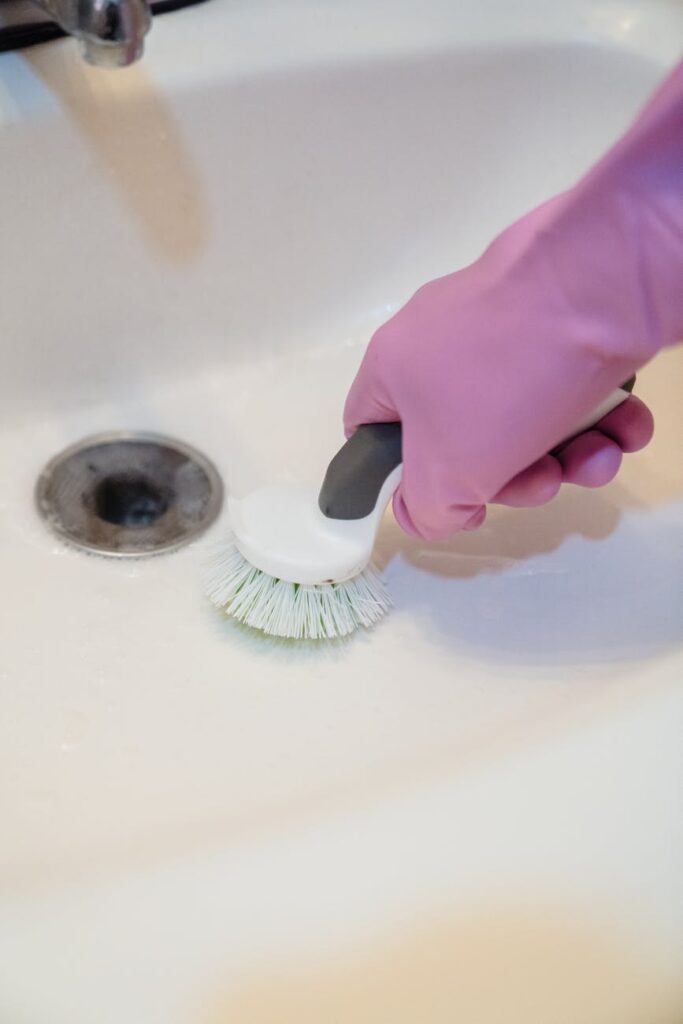
Use a scrub brush or an old toothbrush to scrub around the edges of the drain. Be thorough, as this will help to remove any remaining stains and mold.
Step 8: Rinse and Wipe
Rinse the area with hot water once more. Then, wipe down the surrounding area with a microfiber cloth to remove any leftover residue.
Best Cleaning Methods
Common Mistakes to Avoid
1. Neglecting Regular Cleaning: Regular maintenance is key. Don’t wait for stains to appear before cleaning your drains.
2. Using Too Much Chemical Cleaner: Overuse of chemical cleaners can lead to build-up and further problems down the line. Use as directed.
3. Ignoring Ventilation: Ensure your bathrooms and kitchens are well-ventilated to prevent moisture build-up.
4. Not Following Safety Precautions: Always wear gloves and ensure the area is ventilated when using chemical cleaners.
Prevention Tips
Frequently Asked Questions
1. How often should I clean my drains to prevent mold?
Aim to clean your drains at least once a month to keep mold and stains at bay.
2. Can I use bleach to clean mold in drains?
While bleach can kill mold, it may not effectively remove stains or debris. Consider using natural methods first, and reserve bleach for severe cases.
3. What should I do if the mold returns quickly?
If mold returns quickly, check for leaks or standing water that may be contributing to the problem. Improving ventilation can also help.
4. Is it safe to use commercial mold removers?
Most commercial mold removers are safe when used as directed. Always read the label and ensure proper ventilation.
5. Can I use essential oils to prevent mold?
Yes, certain essential oils like tea tree oil and lavender have mold-fighting properties. Add a few drops to your cleaning solution for added protection.
6. What if the stains are still visible after cleaning?
If stains persist, you may need to repeat the cleaning process or consider using a stronger commercial product. If problems continue, consult a professional plumber.
By following this guide, you can tackle mold stains in your drains effectively, keeping your home clean and fresh. Stay tuned for Part 2, where we will explore more advanced techniques and solutions for stubborn mold stains.