
Drain Mold Removal: Mould & Damp Guide Part 1
Introduction
Mould and dampness in your home can be more than just an eyesore; they can cause significant damage to your property and create an unhealthy environment. One of the most common areas for mould growth is around drains. This guide will help you understand what causes mould and damp issues, how to effectively remove them, and offer prevention tips to keep your home mould-free.
What Causes Mould & Damp?
Mould thrives in moist environments, making drains an ideal breeding ground. The most common causes of mould and damp include:
- High Humidity: When the air contains excessive moisture, it can lead to condensation, especially in poorly ventilated areas.
- Leaking Pipes: Any leaks around plumbing fixtures can create damp conditions that allow mould to develop.
- Clogged Drains: A buildup of debris can trap moisture, encouraging mould growth.
- Poor Ventilation: Areas without adequate airflow, like under sinks or in bathrooms, can retain humidity.
- Temperature Fluctuations: Changes in temperature can cause condensation, particularly in colder months.
- Lack of Maintenance: Neglecting regular cleaning and inspections can lead to unnoticed leaks and growing mould.
- Building Materials: Some materials, like drywall and wood, can absorb moisture, making them susceptible to mould growth.
- Rubber gloves
- Face mask
- Bucket
- Scrub brush or sponge
- Mould removal spray or vinegar
- Baking soda
- Detergent
- Old towels or rags
- Water stains
- Dripping pipes
- Clogged drains
- Calling a plumber for significant leaks.
- Using a drain snake to clear clogs.
- Mix equal parts of white vinegar and water.
- Spray on the mould and let it sit for at least an hour before scrubbing.
- Create a paste with baking soda and water.
- Apply to the mouldy area, scrub, and rinse.
- Follow the manufacturer’s instructions. These can be effective but may contain harsh chemicals.
- Ignoring Small Leaks: Even minor leaks can lead to significant mould problems over time.
- Not Ventilating the Area: Poor airflow can exacerbate dampness. Always ensure proper ventilation when cleaning.
- Using Inadequate Cleaning Solutions: Household cleaners may not be strong enough to combat mould effectively.
- Neglecting Regular Cleaning: Schedule regular checks to prevent mould from returning.
- Improve Ventilation: Use exhaust fans in bathrooms and kitchens. Open windows when possible.
- Control Humidity Levels: Keep humidity below 60% using dehumidifiers.
- Regular Inspections: Check plumbing and drains regularly for leaks and blockages.
- Clean Regularly: Maintain a cleaning schedule that includes checking for mould-prone areas.
Why This Problem Happens
Understanding why mould and damp occur is crucial for effective cleaning and prevention. Here are key factors:
How to Fix Mould & Damp (Step-by-Step)
Fixing mould and damp requires a systematic approach. Follow these steps to address the issue effectively:
Step 1: Gather Your Supplies
Before you start, collect the following items:
Step 2: Identify the Source
Inspect the area around the drain and any nearby plumbing for leaks or blockage. Look for:
Step 3: Clean the Affected Area
1. Protect Yourself: Wear gloves and a mask to avoid inhaling spores.
2. Remove Loose Debris: Clear the area of any visible debris or buildup.
3. Apply Mould Removal Solution: Spray a mould removal product or vinegar directly onto the affected areas.
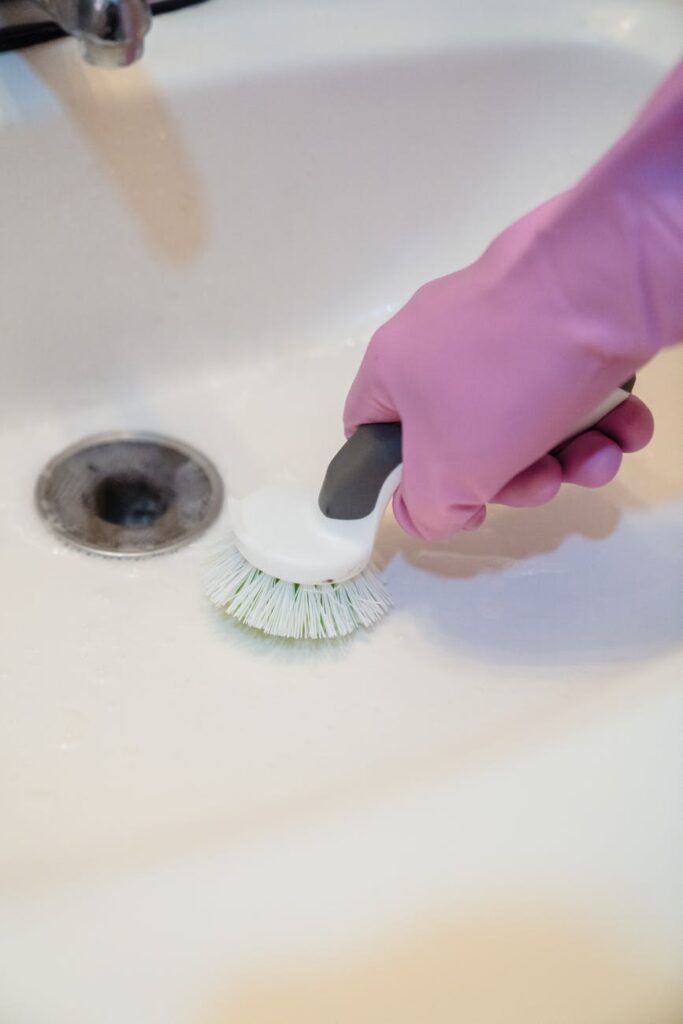
4. Scrub the Surface: Use a scrub brush or sponge to remove mould. Be thorough in your cleaning.
5. Rinse and Dry: Rinse the area with water and wipe it dry with a towel.
Step 4: Address the Underlying Issues
Fix any leaks or blockages identified in Step 2. Consider:
Step 5: Dry the Area
Make sure the cleaned area is completely dry. Use fans or dehumidifiers to help reduce moisture.
Best Cleaning Methods
Different methods can be effective for mould removal. Here are some of the best:
1. Vinegar Solution
2. Baking Soda
3. Commercial Mould Removers
Common Mistakes to Avoid
Avoid these pitfalls to ensure effective mould removal:
Prevention Tips
To keep mould and damp at bay, consider these preventive measures:
Frequently Asked Questions
1. How do I know if I have mould in my drain?
Look for visible spots that are black, green, or white. You may also notice a musty smell or dripping water.
2. Is it safe to remove mould myself?
Yes, it is safe for small areas. However, if the mould covers a large area (more than 10 square feet), consider hiring a professional.
3. Can mould in drains be harmful?
Yes, mould can release spores into the air, which may cause allergic reactions in some individuals.
4. How often should I check for mould?
Regular checks every few months can help catch any issues before they escalate.
5. Can I use bleach to remove mould?
While bleach can kill mould, it does not prevent it from returning. Consider using vinegar or specialized products for better long-term results.
6. What should I do if the mould keeps coming back?
Investigate and fix any underlying issues, such as leaks or poor ventilation, and consider consulting a professional for persistent mould problems.
By following this guide, you can effectively tackle mould and damp issues in your home. Remember that prevention is key to maintaining a clean and healthy living environment.