
Drain Mold Removal Laundry Guide Part 1
Introduction
Laundry is a routine chore, but it can quickly turn into a frustrating ordeal when you discover mold lurking in your washing machine or laundry drain. Mold not only leaves unsightly stains but can also lead to unpleasant odors and potentially harm your garments. This guide will walk you through everything you need to know about drain mold removal, focusing on practical steps to reclaim your laundry space.
What Causes Laundry Mold?
Mold thrives in damp environments, making laundry areas a prime target. The following factors contribute to mold growth in your laundry:
1. Moisture: Excess water from washing machines can create a breeding ground for mold.
2. Poor Ventilation: A lack of airflow can trap humidity, exacerbating mold growth.
3. Detergent Residue: Soap scum and detergent buildup can attract mold spores.
4. Dirty Laundry: Leaving wet clothes in the washer can promote mold.
Understanding these causes is crucial for effective prevention and removal.
Why This Problem Happens
Mold growth in your laundry can happen for several reasons:
- Warm Temperatures: Mold thrives in warm environments, particularly if the laundry area is not climate-controlled.
- Organic Material: Mold feeds on organic materials found in dirt, lint, and fabric softener residue.
- Infrequent Cleaning: Neglecting regular maintenance of your washing machine and laundry area will allow mold to flourish.
- White vinegar or baking soda
- A scrub brush or sponge
- Spray bottle
- Gloves
- Old towels or rags
- A bucket
- For Vinegar: Mix equal parts white vinegar and water in a spray bottle.
- For Baking Soda: Make a paste by mixing baking soda with a small amount of water.
- Not Wearing Protective Gear: Always wear gloves and a mask to avoid inhaling mold spores.
- Ignoring the Source: Don’t just clean the visible mold; address the underlying moisture issue.
- Using Too Much Water: Excess water can worsen the problem instead of helping it.
- Neglecting Ventilation: Ensure the laundry area is well-ventilated to prevent mold from returning.
- Keep It Dry: Wipe down surfaces after use and avoid leaving wet clothes in the washer.
- Ensure Good Airflow: Use fans or dehumidifiers to keep humidity levels low.
- Regular Maintenance: Clean your washing machine every month and check for leaks.
- Use the Right Detergents: Opt for low-residue detergents that don’t leave behind soap scum.
Recognizing why mold appears is the first step in effectively combating it.
How to Fix Laundry (Step-by-Step)
Follow these steps to remove mold from your laundry area:
Step 1: Gather Your Supplies
You’ll need:
Step 2: Inspect the Area
Check the washing machine, the drain, and surrounding surfaces for visible mold. Pay particular attention to seals and gaskets.
Step 3: Prepare a Cleaning Solution
Step 4: Apply the Solution
Spray or apply the cleaning solution generously on the affected areas. Allow it to sit for 15-30 minutes to break down mold.
Step 5: Scrub the Area
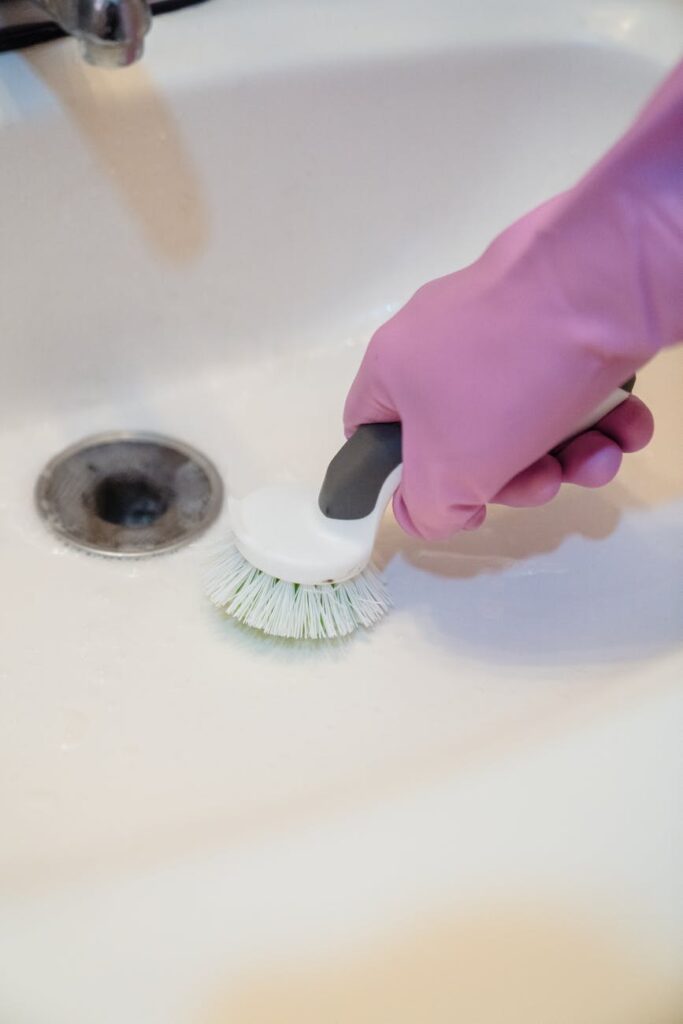
Using a scrub brush or sponge, scrub the surfaces to remove mold. Pay special attention to corners and crevices.
Step 6: Rinse and Dry
Wipe down the surfaces with a damp towel to remove residue. Dry the area thoroughly with an old rag or towel.
Step 7: Clean the Washing Machine
Run an empty cycle with hot water and two cups of vinegar to clean the drum and hoses.
Step 8: Check the Drain
If mold persists, consider using a plumbing snake or drain cleaner to clear any blockages.
Following these steps will help eliminate mold from your laundry space effectively.
Best Cleaning Methods
Different methods can be employed to tackle mold issues in the laundry:
1. Vinegar: A natural disinfectant that kills most types of mold.
2. Baking Soda: Acts as a deodorizer and mild abrasive for scrubbing.
3. Hydrogen Peroxide: A powerful mold killer; however, it can bleach fabrics, so use cautiously.
4. Store-Bought Mold Removers: These can be effective but check that they are safe for your washing machine and surfaces.
Choose a method based on your specific needs and the severity of the mold.
Common Mistakes to Avoid
When dealing with mold removal, avoid these pitfalls:
Being aware of these mistakes will help you work more effectively.
Prevention Tips
Preventing mold from returning is crucial for maintaining a clean laundry space:
Implementing these tips will help keep your laundry area mold-free.
Frequently Asked Questions
1. How often should I clean my washing machine to prevent mold?
It’s advisable to clean your washing machine at least once a month.
2. Can I use bleach to remove mold?
Yes, bleach can kill mold, but it can also damage fabrics. Use with caution and always rinse thoroughly.
3. What should I do if the mold returns?
If mold returns, reevaluate your cleaning methods and check for persistent moisture sources.
4. Can mold grow in my dryer?
Yes, mold can grow in a dryer, especially if it’s not vented properly. Ensure good airflow and clean the lint trap regularly.
5. Is drain mold harmful?
While not typically dangerous, mold can cause allergic reactions and respiratory issues in sensitive individuals.
6. What is the best way to dry my laundry area?
Use fans, open windows, or dehumidifiers to keep the area dry and well-ventilated.
By following this guide, you can tackle mold in your laundry area effectively, ensuring a cleaner and healthier home. Stay tuned for Part 2, where we’ll dive deeper into advanced mold prevention strategies!