
Drain Mold Removal Cleaning Guide Part 1
Introduction
Drains can be a breeding ground for mold, leading to unpleasant odors and potential health risks. If you’ve noticed dark, fuzzy spots in your sink, shower, or bathtub drains, you’re not alone. This guide will help you understand what causes drain mold, why it happens, how to effectively remove it, and how to prevent it from returning.
What Causes Drain Mold?
Mold thrives in damp, dark environments, making drains an ideal location. Several factors contribute to mold growth in drains:
- Moisture: Water accumulation is the primary catalyst.
- Organic Matter: Food particles, soap residue, and hair provide nutrients for mold.
- Poor Ventilation: Lack of airflow can trap moisture, creating a humid environment.
- Infrequent Cleaning: Neglecting regular maintenance allows mold to establish and flourish.
- Rubber gloves
- A face mask
- A bucket
- Baking soda
- White vinegar
- A scrub brush or old toothbrush
- A plumber’s snake (optional)
- Hot water
- Protect Yourself: Wear rubber gloves and a mask to avoid contact with mold spores.
- Clear the Surrounding Area: Remove any items from around the drain to give yourself room to work.
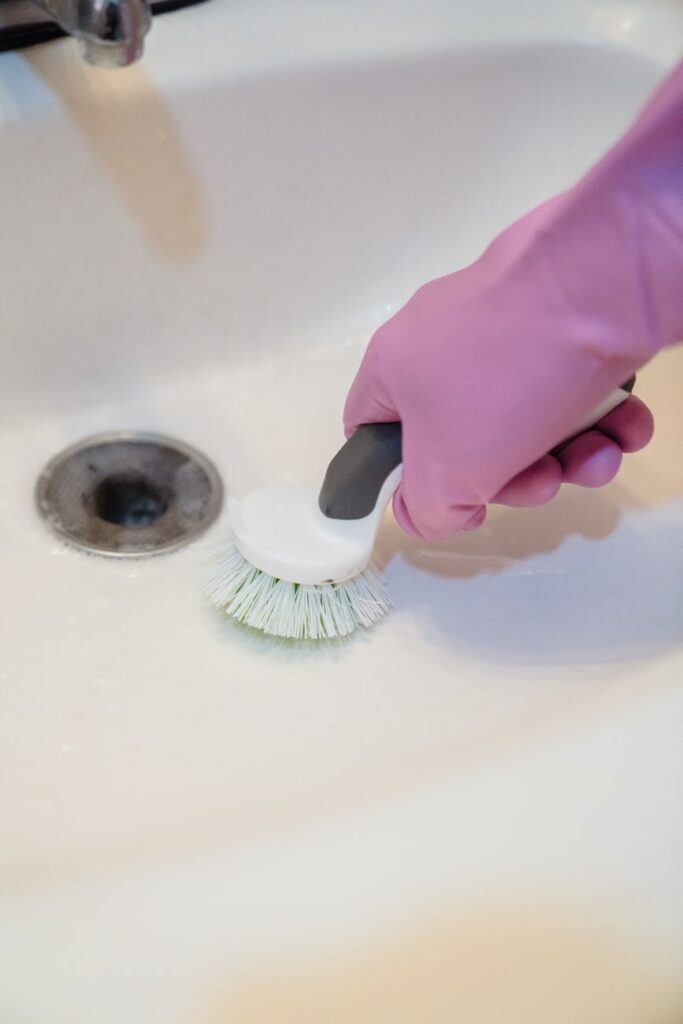
- Scrub the Drain: Use a scrub brush or old toothbrush to scrub visible mold. Pay attention to the edges and any crevices.
- Dispose of Debris: Collect and dispose of mold and debris in a bucket.
- Sprinkle Baking Soda: Pour about half a cup of baking soda directly into the drain.
- Add Vinegar: Follow with half a cup of white vinegar. The combination will fizz and help break down mold and grime.
- Let It Sit: Allow the mixture to sit for 15-30 minutes.
- Boil Water: Bring a kettle of water to a boil.
- Pour Down the Drain: Carefully pour the hot water down the drain to flush away any remaining mold and debris.
- Use a Plumber’s Snake: If water doesn’t drain properly, use a plumber’s snake to remove any clogs that might be contributing to the mold growth.
- Rinse and Scrub Again: After flushing, scrub the drain one more time to ensure all mold is removed.
- Wipe Down Surrounding Areas: Clean the area around the drain to remove any residual mold spores.
Understanding these causes is the first step in tackling the problem effectively.
Why This Problem Happens
Mold growth in drains occurs due to a combination of environmental conditions and neglect. Here’s a closer look at why it happens:
1. Stagnant Water: If water doesn’t drain completely, it creates a perfect breeding ground for mold.
2. Clogs: Accumulations of hair, soap scum, and food waste can cause slow drainage, increasing moisture levels.
3. Old Pipes: Aging plumbing may develop small leaks, leading to persistent moisture.
4. Humidity Levels: In humid climates, moisture can linger around drains, enhancing mold growth.
By recognizing these factors, you can take targeted action to eliminate mold and prevent its return.
How to Fix Cleaning (Step-by-Step)
Removing drain mold involves a systematic approach. Follow these steps for effective cleaning:
Step 1: Gather Your Supplies
You’ll need the following:
Step 2: Prepare the Area
Step 3: Remove Visible Mold
Step 4: Apply Baking Soda and Vinegar
Step 5: Flush with Hot Water
Step 6: Check for Clogs
Step 7: Final Clean
Best Cleaning Methods
While the baking soda and vinegar method is highly effective, other cleaning methods can also help:
1. Bleach Solution: Mix one part bleach with ten parts water. Use cautiously, as bleach can be harsh and may damage some surfaces. Rinse thoroughly afterward.
2. Hydrogen Peroxide: A 3% hydrogen peroxide solution can be sprayed directly into the drain. Allow it to sit for 30 minutes before flushing with hot water.
3. Commercial Cleaners: There are various mold and mildew removers available. Always follow the manufacturer’s instructions and ensure proper ventilation when using these products.
Common Mistakes to Avoid
Avoid these common pitfalls to ensure effective mold removal:
1. Ignoring Small Clogs: Neglecting minor blockages can lead to bigger problems over time.
2. Using Too Much Cleaner: Overusing cleaning products can lead to build-up and may damage plumbing.
3. Not Rinsing Thoroughly: Failing to rinse after cleaning can leave residues that encourage mold growth.
4. Neglecting Routine Maintenance: Regular cleaning is essential to preventing mold from returning.
Prevention Tips
Preventing mold growth in drains is easier than dealing with it after it forms. Here are some practical tips:
1. Regular Cleaning: Clean your drains weekly using baking soda and vinegar.
2. Avoid Pouring Grease: Never pour grease or oil down the drain; it can lead to clogs.
3. Use Drain Screens: Install screens to catch food particles and hair.
4. Ventilation: Ensure that bathrooms and kitchens are well-ventilated to reduce humidity.
5. Check for Leaks: Regularly inspect pipes for leaks and repair them promptly.
Frequently Asked Questions
1. How often should I clean my drains to prevent mold?
Aim to clean your drains at least once a month to prevent mold buildup.
2. Can I use vinegar and baking soda together for other cleaning tasks?
Yes, this combination is effective for various cleaning tasks, including unclogging toilets and freshening up garbage disposals.
3. What if mold keeps coming back after cleaning?
Consistent mold growth may indicate a deeper plumbing issue. Consider consulting a professional plumber.
4. Can I use bleach to remove mold in drains?
Yes, but use it sparingly and ensure proper ventilation. Always rinse thoroughly afterward.
5. Is drain mold harmful to my health?
While not all mold is harmful, some can trigger allergies and respiratory issues. It’s best to address any mold growth promptly.
6. What should I do if I have a severe mold problem?
If you encounter extensive mold growth, it may be best to hire a professional mold remediation service.
By following this guide, you can effectively tackle mold in your drains and keep your home clean and safe. Stay tuned for Part 2, where we’ll delve deeper into advanced mold prevention techniques.