
Drain Mold Removal Appliances Guide Part 2
Introduction
Drain mold can be a persistent issue in homes, particularly around appliances that use water, such as dishwashers, washing machines, and refrigerators. This guide aims to provide you with practical steps to effectively remove mold from these appliances, ensuring a cleaner and healthier environment. Let’s dive into the causes, solutions, and preventative measures to keep your appliances mold-free.
What Causes Appliances?
Mold thrives in damp, dark environments where there is limited airflow. Appliances that use water are particularly susceptible to mold growth due to:
1. Standing Water: Residual water left in hoses, pipes, or trays can create a perfect breeding ground for mold.
2. Humidity: High humidity levels in your home can contribute to moisture accumulation around appliances.
3. Food Residue: In dishwashers, leftover food particles can trap moisture, leading to mold growth.
4. Poor Ventilation: Appliances installed in poorly ventilated spaces are more likely to develop mold.
Understanding these causes is crucial for effective mold removal and prevention.
Why This Problem Happens
Mold growth occurs when specific conditions are met:
1. Moisture: Mold needs moisture to survive. Appliances that frequently use water are at higher risk.
2. Organic Material: Mold feeds on organic materials, including food particles and grease.
3. Temperature: Warm environments facilitate mold growth. Most homes provide an ideal temperature for mold.
4. Time: Mold can grow quickly under the right conditions, so timely intervention is essential.
By addressing these underlying issues, you can significantly reduce the risk of mold in your appliances.
How to Fix Appliances (Step-by-Step)
Step 1: Gather Your Supplies
Before you start, make sure you have the following cleaning supplies:
- Rubber gloves
- Protective eyewear
- A mask (to avoid inhaling mold spores)
- Bucket
- Scrub brush or sponge
- Old toothbrush
- White vinegar
- Baking soda
- Bleach (optional, for tough mold)
- Microfiber cloths
- Effectiveness: Vinegar is a natural disinfectant, while baking soda is great for scrubbing.
- Application: Use as a routine cleaner to prevent mold buildup.
- Effectiveness: Bleach effectively kills mold spores.
- Application: Use sparingly and only for severe mold infestations due to its harshness.
- Effectiveness: Many products are specifically designed for mold removal.
- Application: Follow the manufacturer’s instructions carefully.
- Effectiveness: Regular cleaning can prevent mold from returning.
- Application: Schedule monthly cleanings of vulnerable areas.
Step 2: Unplug and Prepare
1. Safety First: Unplug the appliance to prevent any electrical hazards.
2. Clear the Area: Remove any items stored around the appliance to provide clear access.
Step 3: Inspect for Mold
1. Look for Visible Signs: Check areas that are prone to mold, such as door seals, drain pans, and filters.
2. Use a Flashlight: Shine a light into dark crevices to spot hidden mold.
Step 4: Clean the Area
1. Vinegar Solution: Mix equal parts of white vinegar and water in a spray bottle. Spray the affected areas generously.
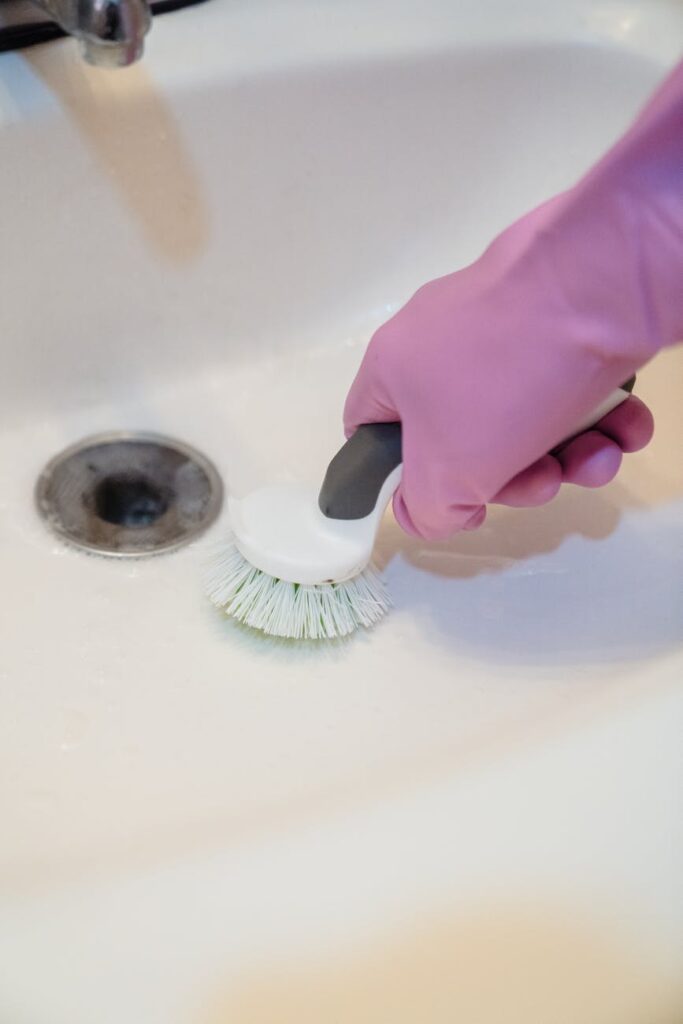
2. Scrub: Use a scrub brush or sponge to remove visible mold. For tight spots, an old toothbrush works well.
3. Baking Soda Paste: For stubborn mold, make a paste of baking soda and water. Apply it to the area and let it sit for 10 minutes before scrubbing.
4. Bleach Solution (if necessary): For persistent mold, mix one cup of bleach with one gallon of water. Apply it cautiously, ensuring good ventilation.
Step 5: Rinse and Dry
1. Rinse: Wipe down the areas with a damp cloth to remove any cleaning residue.
2. Dry Thoroughly: Use a microfiber cloth to dry all surfaces. Ensure there is no residual moisture.
Step 6: Reassemble and Plug In
1. Reattach any components: If you removed any parts, ensure they are securely reattached.
2. Plug in the appliance: Turn it back on and allow it to run. This can help dry any remaining moisture.
Best Cleaning Methods
1. Vinegar and Baking Soda
2. Bleach Solution
3. Commercial Mold Cleaners
4. Regular Maintenance
Common Mistakes to Avoid
1. Ignoring the Problem: Delaying mold removal can lead to a larger infestation.
2. Using Too Much Water: Excess moisture during cleaning can worsen the problem.
3. Not Wearing Protective Gear: Always wear gloves and a mask to protect yourself from mold spores.
4. Overusing Bleach: While effective, excessive use can damage appliance materials.
5. Neglecting Ventilation: Failing to improve airflow can contribute to future mold growth.
Prevention Tips
1. Regular Cleaning
Schedule regular cleanings of your appliances, focusing on areas prone to mold.
2. Improve Ventilation
Ensure that appliances are installed in well-ventilated areas. Open doors and windows during and after use to allow airflow.
3. Monitor Humidity Levels
Invest in a hygrometer to keep track of humidity levels. Aim for a range of 30-50% to minimize mold risk.
4. Check for Leaks
Regularly inspect hoses and connections for leaks that can create standing water.
5. Use a Dehumidifier
If your home tends to be humid, consider using a dehumidifier to reduce moisture levels.
Frequently Asked Questions
1. How often should I clean my appliances to prevent mold?
Clean your appliances at least once a month, focusing on areas prone to moisture.
2. Can I use essential oils for mold removal?
While some essential oils have antifungal properties, they are not as effective as vinegar or bleach for heavy mold infestations.
3. Is mold on appliances dangerous?
Mold can lead to health issues, especially for those with allergies or respiratory problems. It’s best to remove it promptly.
4. Can I prevent mold with a special cleaner?
Using a specialized mold cleaner can help, but regular maintenance and cleaning are crucial for prevention.
5. What should I do if the mold keeps returning?
If mold continues to return, investigate potential leaks or higher humidity levels in your home.
6. Is it necessary to call a professional for mold removal?
For small areas, DIY cleaning is usually sufficient. However, for extensive mold growth, consider consulting a professional.
By following these steps and tips, you can effectively remove and prevent mold from your appliances, ensuring a cleaner and healthier home environment.