
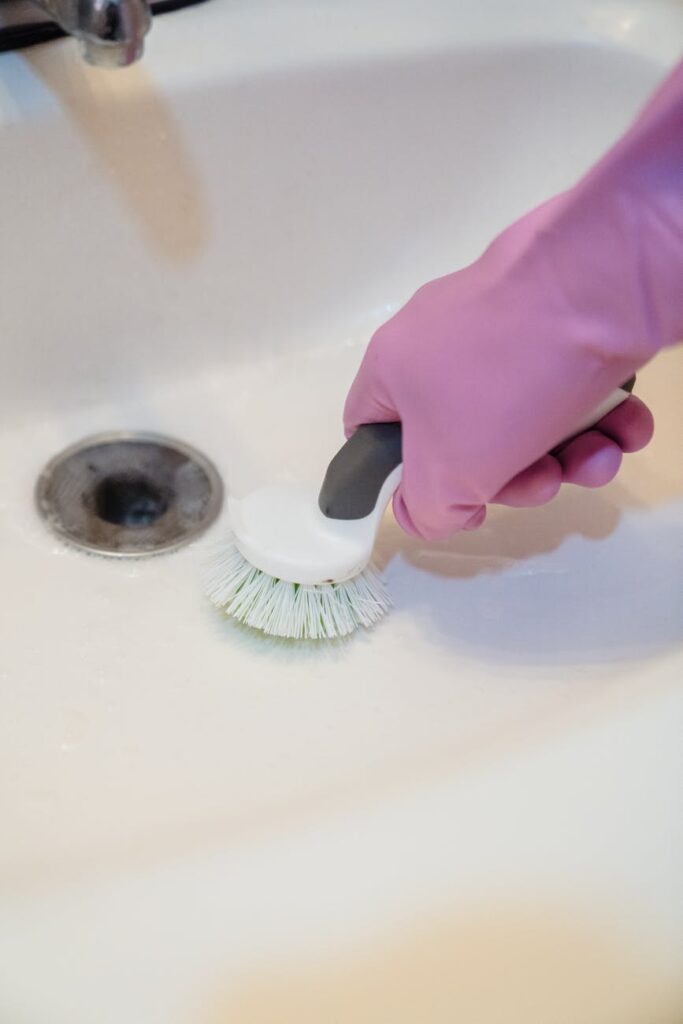
Drain Mold Removal Appliances Guide Part 1
Introduction
Drain mold is a common issue that can develop in various appliances, particularly those that use water. Whether it’s your dishwasher, washing machine, or refrigerator, mold can thrive in damp environments. This guide will walk you through understanding the causes of drain mold, how to remove it effectively, and tips for preventing it from returning.
What Causes Appliances?
Appliances that utilize water are particularly susceptible to mold growth. Here are some common culprits:
1. Dishwashers: Residual food particles and moisture can create a breeding ground for mold.
2. Washing Machines: Dampness in the drum and detergent drawers can encourage mold.
3. Refrigerators: Leaks or condensation can lead to mold forming in the drip pan or around seals.
4. Ice Makers: Standing water can also foster mold growth in ice makers.
Understanding where mold can grow is the first step in effectively tackling the problem.
Why This Problem Happens
There are several reasons why mold can develop in these appliances:
- Inadequate Drainage: If water doesn’t drain properly, it can accumulate and create a perfect environment for mold.
- Poor Ventilation: Appliances that lack airflow tend to remain damp longer, which is ideal for mold.
- Temperature Fluctuations: Warm, humid environments can exacerbate mold growth, especially in places with poor insulation.
- Neglected Cleaning: Regular maintenance is essential; without it, mold can quickly take hold.
- Gloves
- Mask
- Cleaning brush or sponge
- White vinegar
- Baking soda
- Dish soap
- Spray bottle
- Soft cloth
- Old toothbrush
- Turn Off Power: For safety, unplug the appliance or turn off its circuit breaker.
- Clear the Surroundings: Remove any items around the appliance to give you space to work.
- Vinegar: A natural disinfectant that effectively kills mold.
- Baking Soda: Helps to deodorize and scrub surfaces.
- Dish Soap: Breaks down grease and grime.
Recognizing these factors can help you identify the best cleaning strategies.
How to Fix Appliances (Step-by-Step)
Step 1: Gather Your Supplies
You’ll need:
Step 2: Prepare the Area
Step 3: Clean the Appliance
For Dishwashers
1. Remove the Filter: Take out the filter and soak it in hot, soapy water.
2. Scrub the Interior: Use a mixture of vinegar and baking soda to scrub the interior walls, focusing on corners and crevices.
3. Run a Cleaning Cycle: Run an empty cycle with vinegar to sanitize.
For Washing Machines
1. Wipe Down Seals: Use a damp cloth with vinegar to clean around the door seals.
2. Clean the Drum: Mix vinegar and baking soda in the drum and run a hot wash cycle.
3. Inspect the Drainage Hose: Ensure it’s not clogged.
For Refrigerators
1. Empty the Drip Pan: Remove and clean the drip pan with hot, soapy water.
2. Wipe Seals: Use a cloth with vinegar to clean door seals.
3. Check the Ice Maker: Clean any standing water around the ice maker and ensure it drains properly.
Step 4: Rinse and Dry
After cleaning, rinse thoroughly with water and dry all surfaces. This step is crucial to remove any cleaning residue and moisture.
Step 5: Reassemble and Power On
Once everything is dry, reassemble any parts and plug the appliance back in.
Best Cleaning Methods
For persistent mold, consider using a commercial mold cleaner specifically designed for appliances, ensuring it’s safe for your particular appliance type.
Common Mistakes to Avoid
1. Ignoring Regular Maintenance: Skipping routine cleaning allows mold to flourish.
2. Using Harsh Chemicals: Some chemicals can damage appliance surfaces or leave harmful residues.
3. Neglecting Drainage Problems: Always address drainage issues immediately to prevent mold growth.
4. Not Drying Thoroughly: Leaving moisture can lead to quick regrowth of mold.
Prevention Tips
1. Regular Cleaning: Set a schedule for deep cleaning your appliances every few months.
2. Leave the Door Ajar: After use, leave doors open for airflow to dry out any residual moisture.
3. Inspect Seals and Gaskets: Regularly check and clean door seals to prevent moisture buildup.
4. Monitor Humidity Levels: Use a dehumidifier in areas prone to high humidity, especially in basements or laundry rooms.
Frequently Asked Questions
1. How often should I clean my appliances to prevent mold?
Aim for a deep clean every 1-3 months, with quick wipe-downs after each use.
2. Can I use bleach to clean my appliances?
While bleach is effective against mold, it can damage some surfaces. It’s best to stick with vinegar and baking soda for most appliances.
3. What are the signs of mold in my appliance?
Look for black spots, a musty smell, or visible mold growth around seals and in water reservoirs.
4. Can mold in appliances affect my health?
While mold can trigger allergies in some individuals, the primary concern is the appliance’s efficiency. However, it’s wise to address any mold issues promptly.
5. What should I do if the mold keeps returning?
If mold keeps returning, check for underlying issues such as drainage problems or high humidity levels in your home.
6. Is it safe to run my dishwasher or washing machine with mold present?
It’s not advisable to run appliances with mold, as it can spread throughout the machine and into your dishes or laundry.
By following this guide, you can effectively tackle drain mold in your appliances, ensuring a cleaner home and healthier environment. Stay tuned for Part 2, where we will delve deeper into advanced cleaning methods and troubleshooting tips!