
Drain Fly Removal Stains Guide Part 2
Introduction
Drain flies are more than just a nuisance; they can leave unsightly stains in your home. These tiny insects thrive in damp environments, often breeding in organic material found in drains. As they reproduce, they can leave behind residues that stain your surfaces. In this guide, we’ll explore what causes these stains, how to effectively remove them, and tips to prevent future issues.
What Causes Stains?
The stains associated with drain flies primarily come from their larvae, which feed on organic matter in drains, sinks, and pipes. When they die or are disturbed, they can leave behind a dark, sticky residue. This residue can build up over time, leading to stains on various surfaces, including:
- Sinks
- Countertops
- Walls near drains
- Bathroom fixtures
- Clogged drains: Food particles, hair, and soap scum create a perfect breeding ground.
- Dirty sink traps: Residues can linger in sink traps, encouraging fly growth.
- Poor ventilation: Damp, humid environments promote the growth of mold and organic matter, attracting drain flies.
- Rubber gloves
- Scrubbing brush or sponge
- Baking soda
- White vinegar
- Dish soap
- Bucket
- Old towels or rags
Understanding the source of these stains is crucial for effective treatment.
Why This Problem Happens
The presence of drain flies indicates a larger issue. These flies typically infest areas where organic material accumulates, such as:
Addressing the root cause is essential for a long-term solution.
How to Fix Stains (Step-by-Step)
Removing drain fly stains requires a systematic approach. Follow these steps to restore your surfaces:
Step 1: Gather Your Supplies
You’ll need:
Step 2: Clear the Area
Remove any items from the affected area. This prevents further mess and allows for easy access to the stains.
Step 3: Mix a Cleaning Solution
Combine one cup of baking soda with one cup of white vinegar in a bucket. This natural solution is effective against organic stains and odors. Add a few drops of dish soap to enhance the cleaning power.
Step 4: Apply the Solution
Pour the cleaning mixture over the stained areas. Let it sit for about 15-20 minutes to break down the residue.
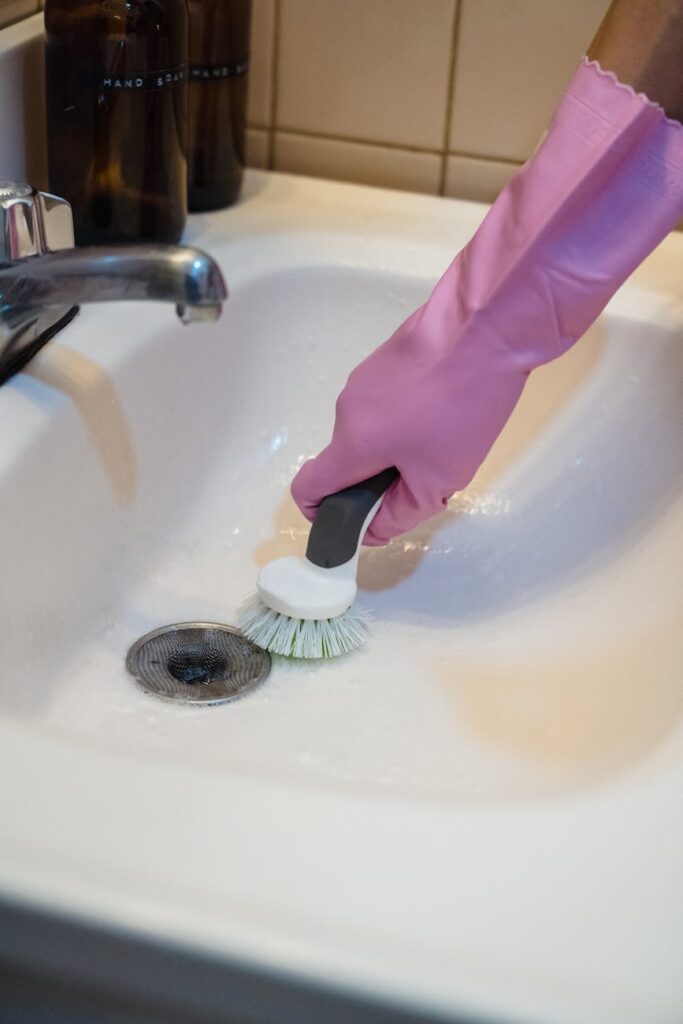
Step 5: Scrub the Stained Area
Using a scrubbing brush or sponge, scrub the stained area gently. Be thorough but avoid damaging the surface.
Step 6: Rinse and Dry
Rinse the area with warm water to remove any leftover cleaning solution. Use old towels or rags to dry the surface completely.
Step 7: Dispose of Waste
Dispose of any waste materials properly, especially if you’ve removed organic debris.
Best Cleaning Methods
While the baking soda and vinegar method is effective, there are other options to consider:
1. Enzyme Cleaners
These biodegradable cleaners break down organic matter and are excellent for deep cleaning drains. Follow the manufacturer’s instructions for application.
2. Bleach Solution
For tough stains, a diluted bleach solution (one part bleach to ten parts water) can be effective. However, use this method sparingly, as bleach can damage some surfaces and is not eco-friendly.
3. Commercial Drain Cleaners
Look for formulations specifically designed to target drain fly larvae and their stains. Always follow safety instructions and wear protective gear.
Common Mistakes to Avoid
When dealing with drain fly stains, homeowners often make several common mistakes:
1. Ignoring the Source
Failing to address the source of the infestation will only lead to recurring stains. Regularly clean your drains and check for clogs.
2. Overusing Bleach
While bleach can be effective, overuse can lead to damage and stronger odors. Use it sparingly and only as a last resort.
3. Neglecting Regular Maintenance
Cleaning your drains and surrounding areas should be part of your regular cleaning routine. Neglecting this can lead to persistent issues.
4. Using Incompatible Cleaners
Some cleaners can react poorly with others, creating harmful fumes. Always read labels and avoid mixing products.
Prevention Tips
Preventing drain fly stains involves consistent cleaning and maintenance. Here are some practical tips:
1. Regular Drain Cleaning
Use a mixture of baking soda and vinegar at least once a month to keep drains clear of organic buildup.
2. Maintain Dryness
Ensure that sinks and drains are dry when not in use. Wipe down surfaces regularly to minimize moisture.
3. Install Drain Covers
Use drain covers to catch debris and prevent organic material from accumulating.
4. Improve Ventilation
In areas prone to dampness, ensure proper ventilation. Open windows or use exhaust fans to reduce humidity.
5. Inspect Plumbing
Regularly check plumbing for leaks or blockages that can create a breeding ground for drain flies.
Frequently Asked Questions
1. How do I know if I have drain flies?
You can identify drain flies by their small size, fuzzy appearance, and tendency to fly around drains. Check for visible larvae in stagnant water.
2. Can drain flies cause health issues?
While not directly harmful, drain flies can indicate unsanitary conditions in your home, which may lead to other pest issues.
3. How often should I clean my drains?
Aim to clean your drains once a month to prevent buildup and infestations.
4. Can I use essential oils to repel drain flies?
Yes, certain essential oils like peppermint and tea tree oil can help repel drain flies. Mix a few drops with water and spray around affected areas.
5. Is it safe to use commercial drain cleaners?
While many are effective, always read labels and follow instructions. Some may contain harsh chemicals that can damage pipes or harm the environment.
6. What should I do if stains persist?
If stains remain after cleaning, consider consulting a professional service for deeper cleaning and inspection.
By following these practical steps and tips, you can effectively manage and eliminate drain fly stains in your home. Regular maintenance and prompt action will ensure a cleaner, healthier living environment.