
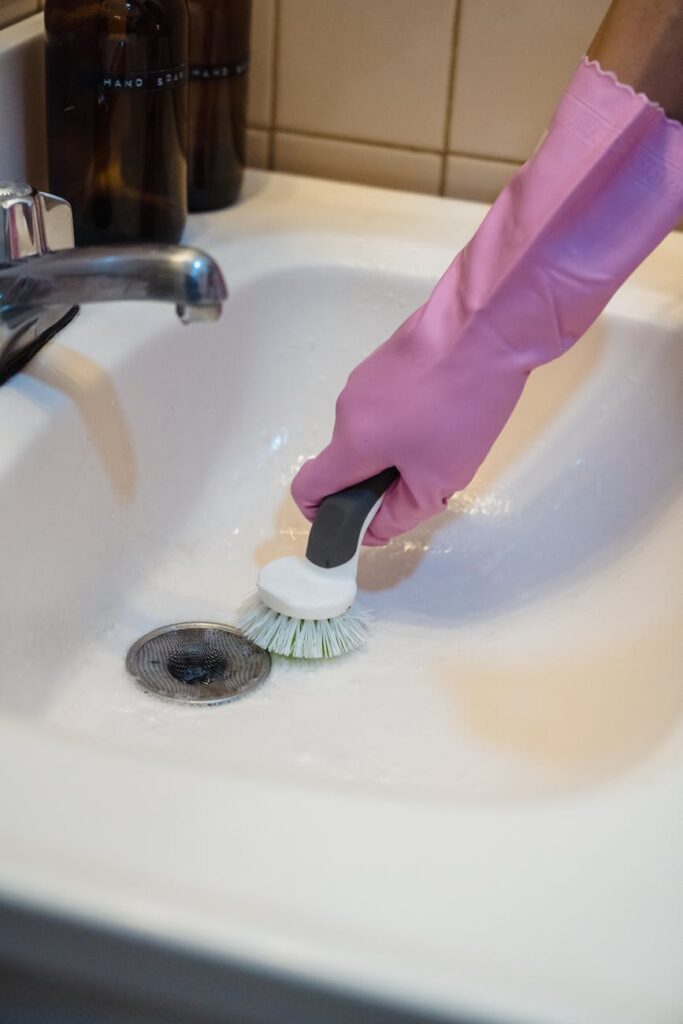
Drain Fly Removal Odours Guide Part 1
Introduction
Drain flies, also known as sink flies, are tiny insects that can thrive in damp environments like kitchens and bathrooms. They are often a sign of a deeper problem: odours emanating from your drains. In this guide, we will tackle the root causes of these unpleasant smells, provide actionable steps to eliminate them, and offer tips to prevent future issues.
What Causes Odours?
Odours in drains are typically caused by organic matter decomposing within the plumbing system. This can include:
- Food debris: Small particles often get trapped in drains, leading to decay.
- Hair and soap residue: These materials can accumulate over time, creating a breeding ground for bacteria.
- Standing water: Stagnant water in pipes can produce foul smells as it collects debris.
- Poor drainage: Blocked or slow-draining pipes can lead to water stagnation.
- Inadequate cleaning: Regular maintenance helps prevent the accumulation of organic matter.
- Humidity and dampness: High humidity can amplify odours and attract flies.
- Check all drains: Inspect sinks, tubs, and floor drains for signs of blockage or buildup.
- Look for standing water: Any stagnant water can contribute to odours.
- Remove debris: Use a pair of gloves to manually remove any visible gunk.
- Use a plumbing snake: If you encounter a blockage, a plumbing snake can help clear it.
- Boiling water: Pour boiling water down the drain to help dissolve any buildup.
- Vinegar and baking soda: Mix one cup of baking soda with one cup of vinegar. Pour it down the drain, let it fizz for 15 minutes, then rinse with hot water.
- Bleach solution: Use a mixture of one part bleach to ten parts water. Pour it down the drain to kill bacteria and eliminate odours. (Be cautious; don’t mix bleach with any other cleaners.)
- Wipe and dry: Use a cloth to dry the sink and surrounding areas, reducing moisture levels.
Understanding the sources of these odours is essential for effective removal.
Why This Problem Happens
Drain flies thrive in environments rich in organic matter and moisture. When food particles, hair, or soap scum build up, they create an ideal breeding ground for these pests. Additionally, if your plumbing system has leaks or blockages, it may lead to standing water and further exacerbate odours.
In essence, the problem occurs due to a combination of:
How to Fix Odours (Step-by-Step)
Here’s a straightforward process to tackle odours caused by drain flies:
Step 1: Identify the Source
Step 2: Clear the Drain
Step 3: Clean the Drain
Step 4: Disinfect
Step 5: Dry the Area
Best Cleaning Methods
To effectively remove odours and prevent drain flies, consider these cleaning methods:
1. Vinegar and Baking Soda
This natural solution not only cleans but also deodorizes. Its effervescent reaction helps dislodge grime.
2. Enzyme Cleaners
Available at most stores, these cleaners break down organic matter and help eliminate odours. Follow the manufacturer’s instructions for best results.
3. Bleach
A diluted bleach solution can disinfect and remove strong odours but should be used sparingly and with caution.
4. Hot Water
Regularly pouring hot water down your drains can help dissolve any lingering food particles and soap scum.
Common Mistakes to Avoid
When addressing drain odours, avoid these pitfalls:
1. Ignoring Regular Maintenance
Waiting too long between cleanings can lead to significant buildup and worse odours.
2. Using Incompatible Cleaners
Mixing different cleaning products, especially bleach with ammonia or vinegar, can create harmful gases.
3. Over-Relying on Chemical Cleaners
While effective, chemical cleaners can damage pipes if overused. Opt for natural methods when possible.
4. Neglecting Other Areas
Focus only on the drain can overlook other areas like garbage disposals or sink traps that may also contribute to odours.
Prevention Tips
To keep your drains odour-free and pest-free, follow these preventive measures:
1. Regular Cleaning
Clean your drains at least once a month using the methods outlined above. This will help prevent buildup.
2. Use Drain Screens
Install screens over your drains to catch food particles and hair, preventing them from entering the plumbing system.
3. Keep the Area Dry
Wipe up spills and ensure the sink area remains dry, reducing moisture that attracts drain flies.
4. Avoid Pouring Grease Down the Drain
Grease can solidify and trap other debris. Dispose of it in the trash instead.
Frequently Asked Questions
1. How can I tell if drain flies are in my home?
Look for tiny flies near sinks, drains, or other damp areas. You may also notice a musty smell.
2. Can I use essential oils to eliminate drain odours?
Yes, certain essential oils like tea tree or peppermint can help mask and eliminate odours when mixed with water and poured down the drain.
3. How often should I clean my drains?
Aim for at least once a month. However, if you notice odours or slow drainage, clean immediately.
4. Are there any natural remedies for drain odours?
Yes, vinegar and baking soda are effective natural remedies to clean and deodorize drains.
5. What should I do if the odour persists after cleaning?
If odours continue, consider calling a plumber to check for deeper issues in your plumbing system.
6. Can drain flies harm my health?
While they are generally harmless, drain flies can indicate unsanitary conditions, which can lead to other issues. Keeping your drains clean will help mitigate any risks.
By following this guide, you can effectively remove odours associated with drain flies and prevent future infestations. A clean, well-maintained plumbing system is essential for a fresh-smelling home.