
Drain Fly Removal Mould & Damp Guide Part 2
Introduction
Mould and dampness can be a homeowner’s worst nightmare, especially in areas where drain flies thrive. These pesky insects often breed in moist environments, making it crucial to address both the flies and the conditions that allow them to flourish. This guide will provide you with practical, step-by-step solutions to tackle mould and dampness effectively, ensuring your home is clean and safe.
What Causes Mould & Damp?
Mould and dampness are typically caused by excess moisture in the air or surfaces. Common sources include:
- Leaking Pipes: Undetected leaks can create a perfect breeding ground for mould.
- Poor Ventilation: Areas with inadequate airflow can trap moisture.
- Condensation: Humidity can lead to water droplets forming on cold surfaces.
- Flooding: Water intrusion from heavy rainfall or plumbing issues can lead to dampness.
- Leaks under sinks or around toilets.
- Water stains on walls or ceilings.
- Areas with poor ventilation.
- Vinegar Solution: Vinegar is a natural antifungal agent and can effectively kill mould spores.
- Baking Soda: Mix with water to create a paste for scrubbing tough mould spots.
- Hydrogen Peroxide: Use a 3% solution to spray on mouldy areas. It’s effective and safe for most surfaces.
- Commercial Mould Cleaners: For severe infestations, you may need a specialised mould remover.
- Ignoring Hidden Areas: Don’t just clean visible mould; check behind appliances, under sinks, and inside cabinets.
- Using Bleach: While bleach can kill mould on non-porous surfaces, it may not penetrate porous materials, allowing mould to return.
- Not Ventilating Properly: Failing to improve airflow can lead to recurring dampness.
- Skipping Repairs: Neglecting to fix leaks will only allow mould to return.
- Ensure Proper Ventilation: Use exhaust fans in bathrooms and kitchens to reduce humidity.
- Fix Leaks Promptly: Regularly check for leaks and repair them as soon as possible.
- Use Dehumidifiers: In high-humidity areas, a dehumidifier can help keep moisture levels in check.
- Seal Windows and Doors: Ensure that seals are intact to prevent moisture intrusion during rain.
Why This Problem Happens
The combination of moisture and organic matter creates an ideal environment for mould growth. Drain flies are attracted to moist areas where organic material can be found for breeding. This means that damp areas in your home, particularly in kitchens and bathrooms, can quickly become a hotspot for both mould and drain flies.
How to Fix Mould & Damp (Step-by-Step)
Step 1: Identify the Source of Moisture
Start by inspecting areas where mould and dampness are evident. Look for:
Step 2: Repair Leaks
Address any leaks immediately to prevent further moisture accumulation. Use plumber’s tape or call a professional if necessary.
Step 3: Clean Affected Areas
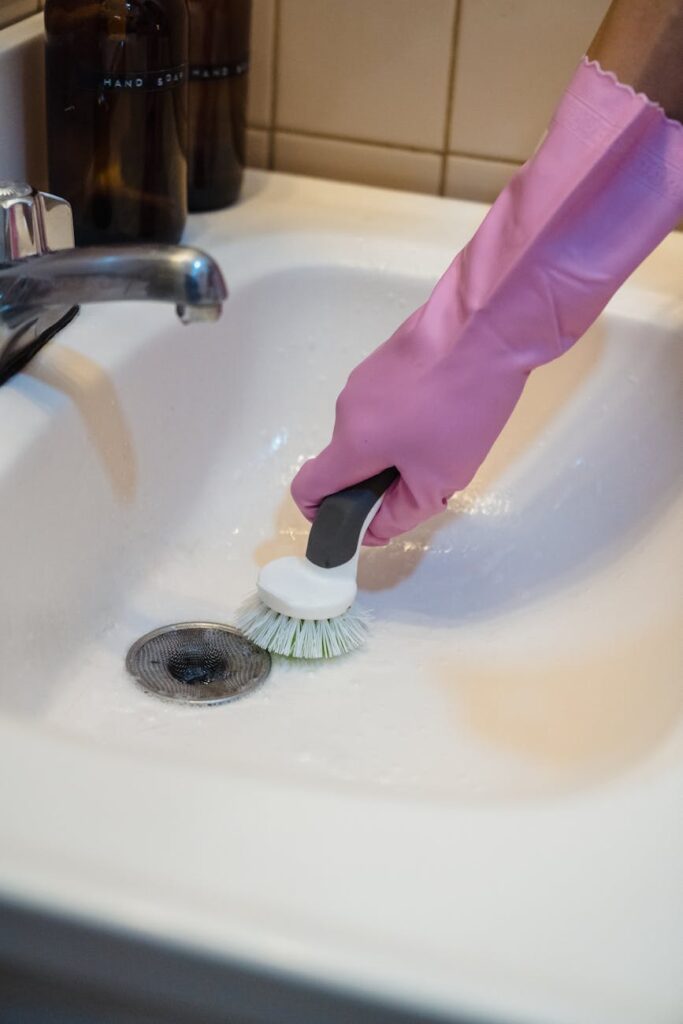
Use a mixture of water and vinegar or a commercial mould remover to scrub the affected areas. Ensure you wear gloves and a mask for protection.
1. Mix Solution: Combine equal parts water and white vinegar in a spray bottle.
2. Spray: Generously spray the mouldy area.
3. Scrub: Use a soft brush or cloth to scrub the area clean.
4. Rinse: Wipe the area with a damp cloth to remove any residue.
Step 4: Dry the Area
After cleaning, ensure the area is thoroughly dried. Use fans or dehumidifiers to speed up the drying process.
Step 5: Apply a Mould Inhibitor
Consider applying a mould-resistant primer or paint on the cleaned surfaces to prevent future growth.
Best Cleaning Methods
Common Mistakes to Avoid
Prevention Tips
Frequently Asked Questions
1. How can I tell if I have a mould problem?
Look for visible signs of mould, such as dark spots on walls or ceilings, and a musty smell.
2. Can I remove mould myself?
Yes, small mould infestations can often be cleaned with household products, but larger infestations may require professional help.
3. Is mould dangerous?
While not all mould is toxic, some types can cause respiratory issues and other health problems. It’s best to handle it promptly.
4. How do I prevent drain flies?
Keep kitchen and bathroom areas clean and dry, and regularly clean out sink drains to remove organic material.
5. What if mould keeps coming back?
Investigate and fix the source of moisture. If the problem persists, consider consulting a professional.
6. How often should I check for mould?
Regular inspections, especially in damp areas, should be part of your home maintenance routine. Check every few months, or after heavy rain.
By following these practical steps and tips, you can effectively tackle mould and dampness in your home, reducing the likelihood of drain flies and creating a cleaner, healthier living space.