
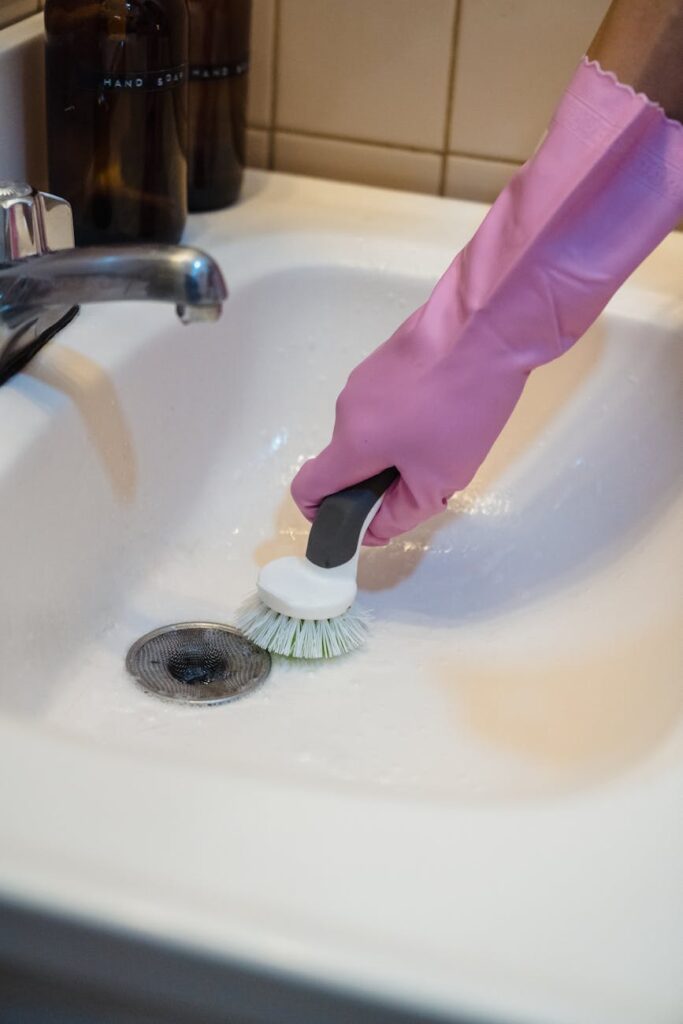
Drain Fly Removal Mould & Damp Guide Part 1
Introduction
Mould and damp can be persistent issues in homes, especially in areas prone to moisture, like kitchens and bathrooms. One of the most common signs of dampness is the appearance of drain flies, which thrive in moist environments. Addressing mould and damp not only helps eliminate these annoying pests but also ensures a healthier living space. This guide will provide practical steps to fix mould and damp problems, focusing on effective removal methods and preventive measures.
What Causes Mould & Damp?
Mould and damp are primarily caused by excess moisture in the air or within building materials. Here are some common causes:
- Poor Ventilation: Lack of air circulation allows humidity to build up, creating an ideal environment for mould growth.
- Water Leaks: Leaking pipes, roofs, or windows can introduce moisture into your home.
- Condensation: Humid air condensing on cold surfaces can lead to damp spots and mould.
- High Humidity Levels: Environments with high humidity, especially in bathrooms and kitchens, can encourage mould proliferation.
- Clogged Drains: Stagnant water in drains can lead to the growth of mould and attract drain flies.
- Climate: In humid climates, moisture levels are naturally higher, making mould growth more likely.
- Building Materials: Some materials, like wood and drywall, are more susceptible to water damage and mould.
- Inadequate Maintenance: Regular maintenance, such as cleaning gutters and checking for leaks, can prevent moisture buildup.
- Lifestyle Factors: Activities like cooking and showering can increase indoor humidity, particularly without proper ventilation.
- Water stains on walls or ceilings.
- Musty odours indicating hidden mould.
- Visible mould growth in areas like bathrooms, kitchens, or near windows.
- Rubber gloves and a mask
- Bucket
- Sponge or cloth
- Scrub brush
- Vinegar or a commercial mould remover
- Baking soda
- Spray bottle
- Dehumidifier (if necessary)
- Regular Inspections: Check for leaks and damp spots regularly, especially after heavy rains.
- Use Exhaust Fans: Ensure that exhaust fans are functional in kitchens and bathrooms.
- Maintain Humidity Levels: Keep indoor humidity below 60% using dehumidifiers or air conditioning.
- Seal Cracks and Gaps: Use caulk to seal any cracks around windows, doors, and walls to prevent moisture ingress.
- Clean Gutters: Regularly clean and maintain gutters to prevent water from pooling around your home’s foundation.
Why This Problem Happens
Understanding why mould and damp occur is crucial for effective treatment. Here are some factors that contribute to these issues:
How to Fix Mould & Damp (Step-by-Step)
Step 1: Identify the Source of Moisture
Before you can effectively address mould and damp, you need to pinpoint the source of the moisture. Look for:
Step 2: Gather Your Cleaning Supplies
You’ll need the following items:
Step 3: Remove Mould
1. Prepare the Area: Ensure good ventilation by opening windows and doors.
2. Apply Cleaning Solution: Use a mixture of vinegar and water (1:1) or a commercial mould cleaner. Spray the affected area generously.
3. Scrub the Surface: Use a scrub brush or sponge to remove mould from surfaces.
4. Rinse and Dry: Wipe the area with a clean, damp cloth and dry thoroughly.
Step 4: Address Damp Areas
1. Check for Leaks: Inspect pipes, roofs, and windows for leaks. Repair any leaks immediately.
2. Improve Ventilation: Use exhaust fans in bathrooms and kitchens. Consider opening windows when cooking or showering.
3. Use a Dehumidifier: Place dehumidifiers in areas with high humidity to reduce moisture levels.
Best Cleaning Methods
1. Vinegar Solution
Vinegar is a natural disinfectant and effective against mould. Mix equal parts vinegar and water in a spray bottle, apply to affected areas, and let it sit for at least an hour before wiping clean.
2. Baking Soda Paste
Baking soda is great for both cleaning and deodorizing. Mix baking soda with water to form a paste, apply it to mouldy areas, scrub, and rinse.
3. Commercial Cleaners
For severe mould infestations, consider using a commercial mould remover. Always follow the manufacturer’s instructions and ensure proper ventilation.
Common Mistakes to Avoid
1. Ignoring the Source of Moisture: Addressing only the symptoms without fixing the underlying cause will lead to recurring problems.
2. Using Bleach: While bleach can kill surface mould, it does not prevent future growth and can be harmful to surfaces.
3. Not Wearing Protective Gear: Always wear gloves and a mask when cleaning mould to protect yourself from inhaling spores.
4. Neglecting Ventilation: Failing to improve ventilation can exacerbate damp issues, leading to more mould growth.
Prevention Tips
Frequently Asked Questions
1. How can I tell if I have a mould problem?
Look for visible signs such as dark spots on walls, a musty smell, or peeling paint. Conduct a thorough inspection, especially in damp areas.
2. Is mould removal safe for my health?
While cleaning mould can be safe, always wear protective gear like gloves and masks to avoid inhaling spores.
3. How can I prevent drain flies?
Ensure drains are clean and free of food debris. Regularly flush drains with hot water and vinegar to eliminate breeding grounds.
4. Can I use essential oils for mould removal?
Some essential oils, like tea tree oil, have antifungal properties. Mix with water and apply to affected areas, but ensure thorough cleaning as well.
5. How long does it take for mould to return after cleaning?
If the source of moisture is not addressed, mould can return within a few days to weeks. Continuous monitoring and prevention are key.
6. Should I hire a professional for mould removal?
For extensive mould problems or if you have health concerns, it may be beneficial to hire a professional to ensure thorough removal and safety.
By following these steps and tips, you can effectively tackle mould and damp issues, ensuring a healthier and more pleasant living environment. Stay tuned for Part 2, where we will delve deeper into advanced mould removal techniques and long-term prevention strategies.