
Drain Fly Removal Kitchen Guide Part 2
Introduction
In Part 1, we tackled the basics of drain fly removal, which is essential for keeping your kitchen clean and free from these pesky pests. This guide will dive deeper into the causes of drain flies in your kitchen, how to effectively eliminate them, and practical tips to prevent future infestations.
What Causes Kitchen Drain Flies?
Drain flies, also known as moth flies, are tiny insects that thrive in damp environments. In the kitchen, the most common breeding grounds for these flies include:
- Clogged Drains: Food particles, grease, and organic matter can accumulate in drains, providing a perfect breeding ground.
- Sink Traps: The area beneath the sink can trap moisture and food remnants.
- Dirty Garbage Disposals: A neglected disposal can harbor residue that attracts drain flies.
- Potted Plants: Overwatering can create damp soil that invites these pests.
- Poor Drainage: If your kitchen drains are not functioning properly, stagnant water can accumulate.
- Neglected Cleaning: Regular cleaning is essential to keep your kitchen sanitary. A missed spot can quickly become a breeding ground.
- Moisture: High humidity levels, combined with food spills, create an ideal environment for flies to thrive.
- Drains: Look for flies around your sinks and drains.
- Garbage Disposal: Open the disposal and check for any build-up.
- Sink Traps: Inspect the area beneath your sink for moisture or food debris.
- Filling a bowl with apple cider vinegar and covering it with plastic wrap. Poke small holes in the top. The flies will be attracted and unable to escape.
- Using commercially available sticky traps to catch adult flies.
Understanding these causes is the first step in effectively combating drain flies.
Why This Problem Happens
Drain flies are often a symptom of a larger problem. Their presence indicates that there are areas in your kitchen that are not receiving adequate cleaning or maintenance. Here are some reasons why drain flies become a nuisance:
Addressing these underlying issues will not only help you get rid of drain flies but also maintain a cleaner kitchen overall.
How to Fix Kitchen Drain Fly Problems (Step-by-Step)
Step 1: Identify Infestation Sources
Before you can eliminate drain flies, you need to identify where they are coming from. Check the following areas:
Step 2: Clean the Affected Areas
Once you’ve identified the sources, it’s time to clean:
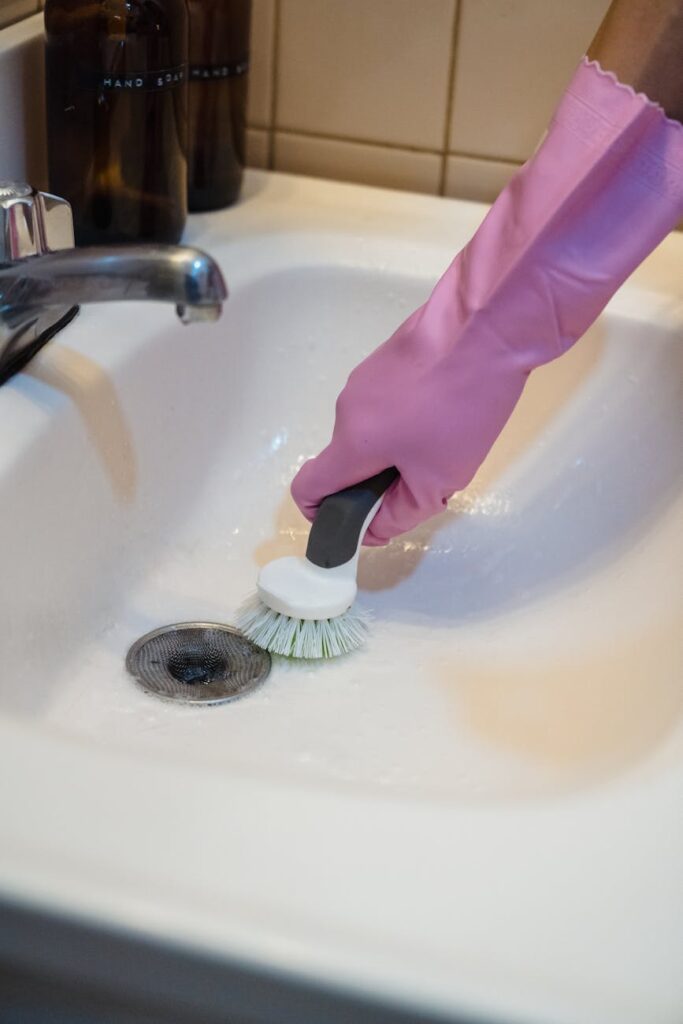
1. Clear the Drains: Use a drain cleaner or a mixture of baking soda and vinegar to clear out debris. Pour boiling water down the drain afterward to flush it out.
2. Clean the Sink Trap: Remove the trap, clean it with soap and water, and rinse thoroughly.
3. Garbage Disposal: Run ice and lemon peels through the disposal to clean and deodorize it.
Step 3: Use Traps
Set up traps to catch any remaining flies. You can make your own by:
Step 4: Monitor and Repeat
After cleaning and trapping, continue to monitor the kitchen for any signs of activity. Repeat the cleaning and trapping process as necessary until the flies are gone.
Best Cleaning Methods
Here are some effective cleaning methods to eliminate drain flies:
1. Baking Soda and Vinegar: Pour a cup of baking soda followed by a cup of vinegar down the drain. Wait for 30 minutes, then flush with hot water.
2. Boiling Water: Regularly pouring boiling water down your drains can help kill eggs and larvae.
3. Dish Soap Solution: Mix dish soap with water and pour it down the drain to help loosen grime.
4. Commercial Cleaners: If natural methods aren’t effective, consider using a commercial drain cleaner specifically designed to eliminate pests.
Common Mistakes to Avoid
To effectively remove drain flies, avoid these common pitfalls:
1. Neglecting Regular Maintenance: Skipping routine cleaning creates a perfect environment for flies to breed.
2. Using Ineffective Traps: Make sure traps are properly set up and monitored. If they are not catching flies, they may need adjustments or replacement.
3. Ignoring Minor Issues: Small leaks or damp areas can lead to bigger problems if not addressed promptly.
4. Overcomplicating Solutions: Sometimes, simple solutions like regular cleaning and boiling water are more effective than complex methods.
Prevention Tips
Taking proactive steps can help prevent future infestations:
1. Regular Cleaning: Maintain a consistent cleaning schedule for your kitchen, focusing on drains, sinks, and garbage disposals.
2. Seal Cracks and Gaps: Ensure that all potential entry points are sealed to prevent flies from entering.
3. Limit Moisture: Fix leaky faucets or pipes, and avoid overwatering potted plants.
4. Use Drain Covers: Install drain covers to prevent debris buildup and block flies from entering.
Frequently Asked Questions
1. How long does it take to eliminate drain flies?
It can take anywhere from a few days to a couple of weeks, depending on the severity of the infestation and the thoroughness of your cleaning efforts.
2. Are drain flies harmful?
While drain flies do not pose significant health risks, their presence indicates unsanitary conditions that could lead to other pest problems.
3. Can I use essential oils to repel drain flies?
Yes, essential oils like peppermint or eucalyptus can be effective in repelling flies when mixed with water and sprayed around affected areas.
4. What if the problem persists even after cleaning?
If drain flies continue to be an issue, consider contacting a pest control professional for a thorough inspection and treatment.
5. How can I tell if I have a drain fly or a fruit fly?
Drain flies are fuzzy and have a moth-like appearance, while fruit flies are smaller and have a more slender body.
6. Should I use insecticides to get rid of drain flies?
Using insecticides is generally not recommended, especially in kitchens where food is prepared. Stick to cleaning and trapping methods for a safer approach.
By following these steps and tips, you can effectively eliminate and prevent drain flies in your kitchen. Consistent cleaning and monitoring will help keep your kitchen a clean and welcoming space.