
Drain Fly Removal Cleaning Guide Part 2
Introduction
Drain flies, also known as sink flies or moth flies, can quickly become a nuisance in your home. These tiny insects breed in moist environments, especially in and around drains. If you’ve noticed these pests buzzing around your sink or bathroom, it’s time to take action. In this guide, we’ll explore the causes of drain fly infestations, effective cleaning methods to eliminate them, and tips to prevent future occurrences.
What Causes Cleaning?
Drain flies thrive in damp, organic matter. They are often attracted to the following:
- Clogged Drains: Food particles and organic debris can create an ideal breeding ground.
- Standing Water: Areas with stagnant water can attract these flies.
- Poor Ventilation: Humid environments encourage their growth.
- Waste Accumulation: Decaying matter near drains provides nourishment.
- Check all drains in your home, especially kitchen and bathroom sinks.
- Look for signs of drain fly activity, such as adult flies and larvae.
- Rubber gloves
- A drain brush or pipe cleaner
- Hot water
- Baking soda
- Vinegar
- Dish soap
- Remove any visible debris from the drain cover.
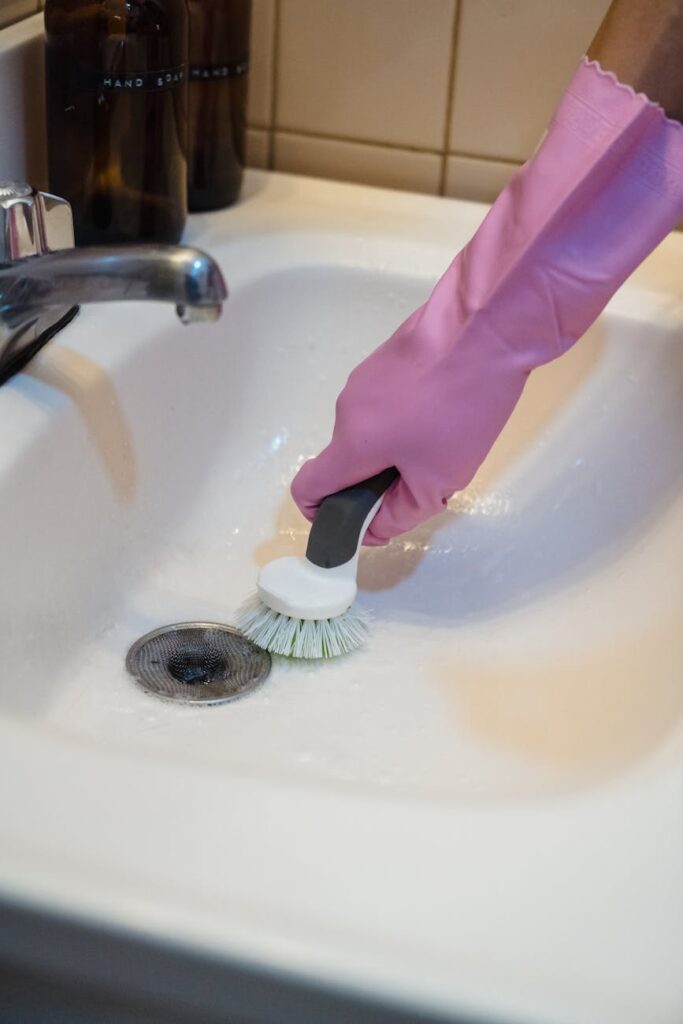
- Use a drain brush to clean the inside of the drain.
- Pour 1/2 cup of baking soda down the drain.
- Follow with 1 cup of vinegar. Let it fizz for about 10-15 minutes.
- Flush with hot water.
- Create a trap using a jar filled with apple cider vinegar and a few drops of dish soap. Cover it with plastic wrap and poke small holes in it. The flies will be attracted to the vinegar but will get trapped.
- Check the traps daily and clean the drains weekly to prevent reinfestation.
Understanding these causes is crucial for effective removal and prevention.
Why This Problem Happens
Drain fly infestations typically occur when conditions are right for breeding. Here are the main reasons:
1. Organic Matter Build-Up: Drains that are not regularly cleaned can accumulate organic debris, creating a breeding site.
2. Moisture Levels: High humidity levels in bathrooms or kitchens can contribute to the problem.
3. Neglected Areas: Often, areas behind sinks or under appliances are overlooked during regular cleaning, allowing fly populations to grow unnoticed.
4. Seasonal Changes: In warmer months, drain flies are more active and can multiply rapidly.
By identifying these factors, you can tackle the root cause of the infestation.
How to Fix Cleaning (Step-by-Step)
Removing drain flies requires both cleaning and preventive measures. Follow these steps:
Step 1: Identify Infestation Source
Step 2: Clean the Drains
1. Gather Supplies:
2. Clear Clogs:
3. Apply Cleaning Solution:
Step 3: Use Traps for Adult Flies
Step 4: Monitor and Repeat
Best Cleaning Methods
1. Enzymatic Drain Cleaners
These cleaners use enzymes to break down organic matter. They are effective, eco-friendly, and safe to use in drains. Follow the manufacturer’s instructions for best results.
2. Boiling Water
Pouring boiling water down the drain can help dislodge debris and kill any larvae present. Repeat this process weekly as a preventive measure.
3. Chemical Drain Cleaners
If natural methods don’t work, consider using a chemical drain cleaner. Follow the instructions carefully, and ensure proper ventilation while using these products.
Common Mistakes to Avoid
1. Ignoring the Problem: Delaying action can lead to a larger infestation. Address issues as soon as they are noticed.
2. Overusing Chemical Cleaners: Frequent use can damage pipes. Limit chemical cleaners and focus on natural methods.
3. Neglecting Hard-to-Reach Areas: Ensure you clean all areas, including behind sinks and under appliances.
4. Not Repeating Cleaning: One-time cleaning may not suffice. Regular maintenance is key to prevention.
Prevention Tips
1. Regular Cleaning: Clean your drains weekly with baking soda and vinegar.
2. Fix Leaks: Repair any leaks that create damp environments.
3. Use Drain Covers: Install screens over drains to catch debris before it enters.
4. Maintain Dry Areas: Ensure areas around sinks and drains are dry and well-ventilated.
5. Seal Cracks: Check for cracks or gaps in plumbing and seal them to prevent entry points for flies.
Frequently Asked Questions
1. How long does it take to eliminate drain flies?
It can take a few days to a couple of weeks, depending on the severity of the infestation and the effectiveness of your cleaning methods.
2. Can drain flies harm my health?
Drain flies are not known to spread diseases, but they can be a nuisance and indicate unsanitary conditions.
3. What if the problem persists after cleaning?
If drain flies continue to be a problem, consider consulting a pest control professional for further assistance.
4. Are there any natural repellents for drain flies?
Essential oils like peppermint or eucalyptus can be effective. Add a few drops to your cleaning solution or use them in a diffuser.
5. Can I prevent drain flies in the winter?
Yes, drain flies can breed year-round if conditions are right. Maintain good hygiene and regular cleaning regardless of the season.
6. What should I do if I find larvae in my drain?
Follow the cleaning steps outlined above immediately. The presence of larvae indicates a breeding site that needs urgent attention.
By following this guide, you can effectively remove drain flies from your home and prevent future infestations. Regular maintenance and cleaning are key to keeping your drains fly-free and your home comfortable.