
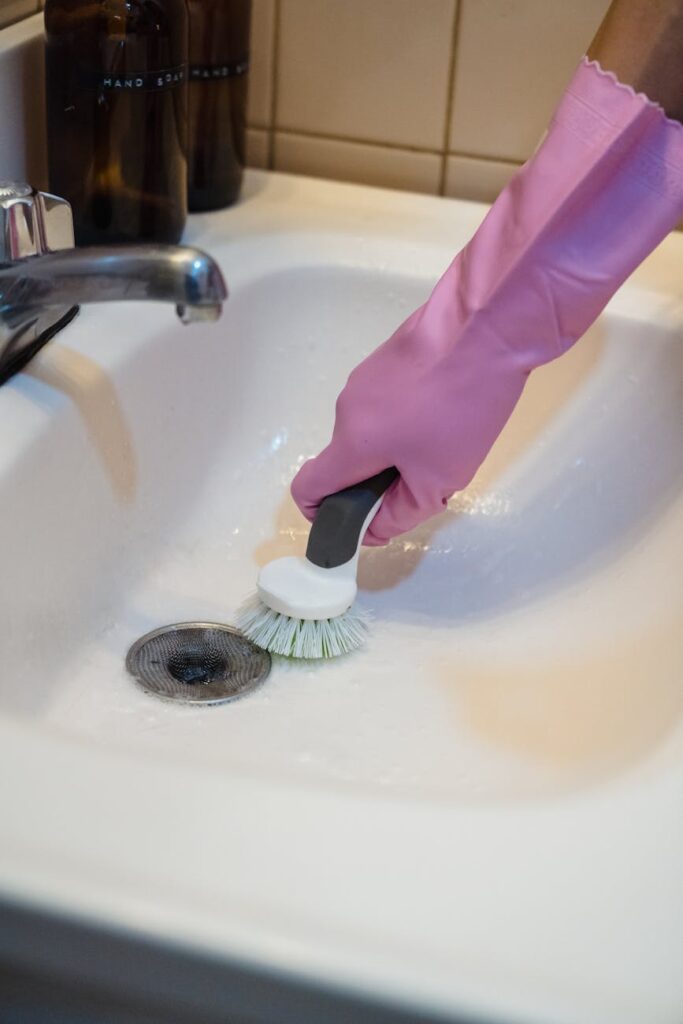
Drain Fly Removal Cleaning Guide Part 1
Introduction
Drain flies, also known as moth flies, can be a frustrating nuisance in any home. They breed in stagnant water and decaying organic matter, commonly found in drains, sinks, and garbage disposals. If you’ve noticed these tiny, fuzzy insects buzzing around your kitchen or bathroom, it’s time to take action. This guide will provide practical steps for effective drain fly removal and prevention.
What Causes Drain Flies?
Drain flies thrive in moist environments where organic debris accumulates. Some common causes include:
- Clogged Drains: Food particles, grease, and hair can create blockages that trap water and foster the ideal breeding ground.
- Stagnant Water: Any area where water doesn’t flow freely, including sinks or bathtubs, can harbor these pests.
- Organic Matter: Decaying food or plant material in or near drains can attract drain flies.
- Kitchen sinks
- Bathroom sinks
- Showers and bathtubs
- Floor drains
- Apple Cider Vinegar Trap: Fill a bowl with apple cider vinegar and cover it with plastic wrap. Poke small holes in the wrap. The flies will be attracted to the vinegar but won’t be able to escape.
- Commercial Traps: Alternatively, you can purchase traps designed specifically for catching drain flies.
Understanding these causes is essential for effective removal and prevention.
Why This Problem Happens
Drain flies are often the result of poor drainage maintenance. When drains aren’t cleaned regularly, organic waste builds up, providing both food and breeding sites for these insects. Additionally, seasonal changes or increased humidity can exacerbate the issue, making it easier for drain flies to establish a presence.
How to Fix Drain Fly Issues (Step-by-Step)
Step 1: Identify the Source
Check all potential breeding sites, including:
Look for signs of flies and pay attention to which areas have the highest concentration.
Step 2: Clean the Drains
1. Remove Debris: Use a flashlight to inspect the drain and remove any visible debris with a spoon or a similar tool.
2. Boiling Water: Pour boiling water down the drain to help dislodge and flush away any remaining organic material. This should be done carefully to avoid burns.
3. Deodorizing Agents: Use a mixture of baking soda and vinegar. Pour 1 cup of baking soda followed by 1 cup of vinegar into the drain. Let it sit for 30 minutes, then flush with hot water.
Step 3: Use a Drain Cleaner
If the problem persists, consider using an enzymatic drain cleaner. These products break down organic matter without harming the plumbing. Follow the manufacturer’s instructions for best results.
Step 4: Set Traps
To catch any remaining adult flies:
Step 5: Monitor and Repeat
After cleaning, monitor the area for reoccurrence. If flies return, repeat the cleaning process until you achieve complete removal.
Best Cleaning Methods
Baking Soda and Vinegar
This is a natural, non-toxic method that’s effective in breaking down organic waste. The fizzing action helps dislodge debris stuck in the pipes.
Enzymatic Cleaners
These are ideal for regular maintenance and can prevent future infestations. Look for products that target organic buildup.
Boiling Water
A simple yet effective method to flush out debris. Regular applications can help keep drains clear.
Common Mistakes to Avoid
1. Ignoring Drain Maintenance: Regular cleaning is crucial. Don’t wait for an infestation to occur.
2. Using Chemical Drain Cleaners: These can be harmful to your plumbing and may not effectively target the organic matter drain flies thrive on.
3. Neglecting Other Areas: Check all potential breeding sites, including garbage disposals and floor drains.
4. Not Sealing Entry Points: Ensure windows and doors are sealed to prevent flies from entering your home in the first place.
Prevention Tips
1. Regular Cleaning: Clean your drains weekly using baking soda and vinegar to prevent buildup.
2. Fix Leaks: Repair any plumbing leaks that create damp areas where drain flies can thrive.
3. Eliminate Standing Water: Ensure that sinks, bathtubs, and other areas do not accumulate stagnant water.
4. Use Drain Covers: Install screens or covers over drains to keep flies out while allowing water to flow freely.
5. Regular Garbage Disposal Maintenance: Run your garbage disposal regularly and clean it with ice cubes and salt to keep it fresh.
Frequently Asked Questions
1. How do I know if I have drain flies?
Look for small, moth-like flies around sinks and drains. If you notice them hovering near these areas, it’s likely you have a drain fly issue.
2. Can drain flies infest my home?
Yes, if left untreated, drain flies can breed and spread throughout your home, especially in damp areas.
3. Are drain flies harmful?
Drain flies are not known to transmit diseases but can be a nuisance and indicate unsanitary conditions.
4. How long does it take to get rid of drain flies?
With consistent cleaning and monitoring, you can often eliminate drain flies in a week or two.
5. Do I need to call a professional?
If the infestation persists despite your efforts, consider consulting a pest control professional for assistance.
6. Can I prevent drain flies from coming back?
Yes, by maintaining your drains, fixing leaks, and eliminating standing water, you can significantly reduce the likelihood of re-infestation.
By following this guide, you can effectively remove drain flies and prevent them from returning. Regular maintenance and attention to your plumbing will keep your home fly-free and ensure a clean living environment.