
Drain Fly Removal Appliances Guide Part 1
Introduction
Drain flies, also known as moth flies, are small insects that thrive in damp environments, particularly around drains. While they may seem harmless, these pests can be a nuisance in your home. This guide will focus on the appliances and tools that can help you effectively remove drain flies and prevent their return.
What Causes Appliances?
Understanding what draws drain flies to your home can help you tackle the problem efficiently. Here are the main causes:
1. Standing Water: Any appliance that retains water, such as dishwashers or washing machines, can become a breeding ground for drain flies.
2. Clogged Drains: Appliances connected to drains, like sinks and tubs, can accumulate organic matter that serves as food for these flies.
3. Poor Ventilation: Appliances in humid areas, such as laundry rooms, can create the perfect conditions for drain flies to flourish.
4. Dirty Filters and Traps: Appliances that have filters or traps, such as refrigerators with ice makers or garbage disposals, can harbor organic debris.
Why This Problem Happens
Drain flies breed in organic matter found in drains and moist areas. When appliances are not cleaned regularly or are improperly maintained, they can accumulate this organic material. This creates an ideal environment for the flies to lay their eggs.
Moreover, drain flies are drawn to the smell of decaying material, making it easy for them to find their way into your home through any openings. Appliances like dishwashers, washing machines, and even coffee makers can provide both moisture and food, making them hotspots for infestation.
How to Fix Appliances (Step-by-Step)
Step 1: Identify the Source
1. Inspect Appliances: Check your dishwasher, washing machine, sink, and any other water-using appliance for signs of drain flies.
2. Check Drains: Look for any clogs or buildup in the drains connected to these appliances.
Step 2: Clean the Appliances
1. Dishwasher:
- Remove the bottom rack and clean the drain area.
- Use a mixture of vinegar and baking soda to clean the interior.
- Run a hot cycle with vinegar and baking soda.
- Wipe down the rubber seals and any filters.
- Pour a mixture of ice cubes and salt down the disposal to clean it.
- Follow with hot water to flush any remaining debris.
2. Washing Machine:
3. Garbage Disposal:
Step 3: Clean Drains
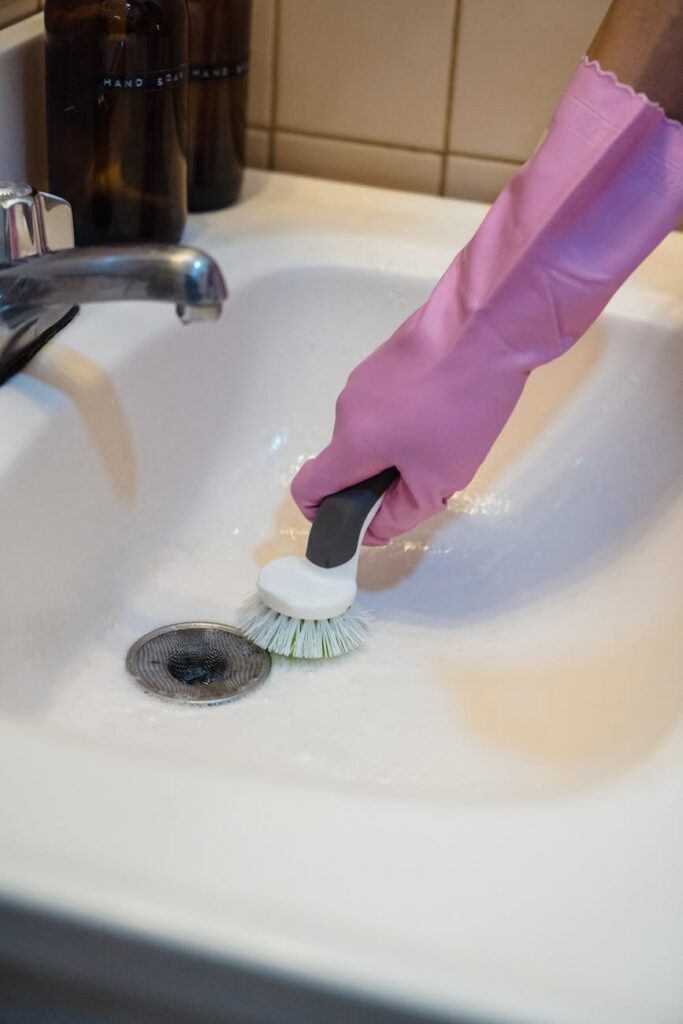
1. Remove Debris: Use a drain snake or a similar tool to remove any visible debris from the drain.
2. Flush with Hot Water: Pour boiling water down the drain to clear out any organic matter.
3. Use Enzymatic Cleaners: These cleaners break down organic material and can help eliminate the source of the problem.
Best Cleaning Methods
1. Vinegar and Baking Soda
A simple yet effective combination. Pour half a cup of baking soda followed by half a cup of vinegar down the drain. Let it sit for 30 minutes, then flush with hot water.
2. Enzymatic Cleaners
These products contain enzymes that break down organic matter. Follow the manufacturer’s instructions for application and frequency.
3. Regular Maintenance
Clean appliances and drains every month to prevent buildup. This includes running empty cycles with vinegar in your dishwasher and washing machine.
Common Mistakes to Avoid
1. Ignoring Small Issues: Small clogs can lead to larger problems. Address any drain issues promptly.
2. Using Harsh Chemicals: Some chemical cleaners can damage your appliances or pipes. Opt for natural solutions when possible.
3. Neglecting Regular Cleaning: Skipping routine maintenance creates an environment for drain flies to thrive.
4. Assuming One Treatment is Enough: It may take several cleanings to fully eliminate drain flies, especially if the problem has been persistent.
Prevention Tips
1. Seal Cracks and Openings: Ensure all appliances are properly sealed to prevent flies from entering.
2. Keep Areas Dry: Wipe down surfaces regularly and fix any leaks in your appliances.
3. Use Screens: Place screens over drains to prevent flies from entering while still allowing water to flow.
4. Regular Inspections: Frequently check your appliances for signs of buildup or moisture.
5. Proper Ventilation: Ensure areas around appliances are well-ventilated to reduce humidity.
Frequently Asked Questions
1. How can I tell if I have drain flies?
Look for small, moth-like flies around sinks, drains, and moist areas in your home. You may also notice a musty odor.
2. Can drain flies cause any health problems?
While drain flies are not known to transmit diseases, their presence can indicate unsanitary conditions.
3. How long does it take to get rid of drain flies?
With proper cleaning and maintenance, you should see a significant reduction in drain flies within a week.
4. Are there any natural remedies for drain fly removal?
Yes, mixtures of vinegar, baking soda, and essential oils can effectively remove drain flies without harsh chemicals.
5. How often should I clean my appliances to prevent drain flies?
Aim for a monthly cleaning schedule for appliances and drains to keep them free from organic buildup.
6. What should I do if the problem persists?
If the infestation continues despite your efforts, consider consulting a pest control professional for further assistance.
By following this guide, you can effectively tackle drain fly issues related to your appliances, ensuring a cleaner and more pleasant home environment. Stay proactive about maintenance, and you can prevent these pests from returning.