
Dishwasher Odour Guide Part 2
Introduction
Dishwasher odours can turn a convenient appliance into a source of frustration. If your dishwasher is emitting unpleasant smells, it’s time to take action. In this guide, we’ll explore the causes of these odours, why they occur, and how to effectively eliminate them. By following our practical steps, you’ll not only solve the problem but also maintain a fresh and clean dishwasher for years to come.
What Causes Odours?
Dishwasher odours can stem from various sources, including:
1. Food Residue: Leftover food particles can accumulate in the filter, spray arms, or inside the dishwasher, leading to unpleasant smells.
2. Mould and Mildew: Moisture can create an ideal environment for mould and mildew to thrive, especially in the rubber seals and door gaskets.
3. Clogged Drain: A blocked drain can trap water and food waste, contributing to foul odours.
4. Dirty Filters: Dishwashers have filters that catch food particles; if these aren’t cleaned regularly, they can become a breeding ground for bacteria.
5. Water Quality: Hard water can leave mineral deposits that contribute to odour problems over time.
Why This Problem Happens
Understanding why your dishwasher develops odours is crucial for effective cleaning. The combination of heat, moisture, and organic material creates an environment conducive to bacteria and mould growth. Additionally, improper loading can leave dishes improperly cleaned, leading to food residue build-up. Lastly, if your home has hard water, minerals can accumulate, exacerbating the issue.
How to Fix Odours (Step-by-Step)
Follow these steps to tackle odours in your dishwasher effectively:
Step 1: Empty the Dishwasher
Before you start cleaning, ensure that the dishwasher is completely empty. This will give you better access to all the parts that need attention.
Step 2: Check and Clean the Filter
1. Locate the Filter: Consult your user manual to find the filter’s location.
2. Remove and Rinse: Take out the filter and rinse it under hot water to remove any food particles.
3. Scrub if Necessary: Use a soft brush or sponge to scrub away any stubborn residue.
Step 3: Inspect the Spray Arms
1. Remove the Spray Arms: If your model allows it, take out the spray arms.
2. Clear Blockages: Check for food particles in the holes and clear them using a toothpick or a small brush.
3. Rinse and Replace: Rinse the spray arms thoroughly before placing them back.
Step 4: Wipe Down Seals and Gaskets
1. Inspect the Rubber Seals: Look for any signs of mould or mildew.
2. Use a Cleaning Solution: Wipe them down with a mixture of equal parts vinegar and water.
3. Dry Thoroughly: Ensure the seals are dry to prevent future mould growth.
Step 5: Run a Cleaning Cycle
1. Choose a Cleaning Agent: Use a dishwasher cleaner or white vinegar for this step.
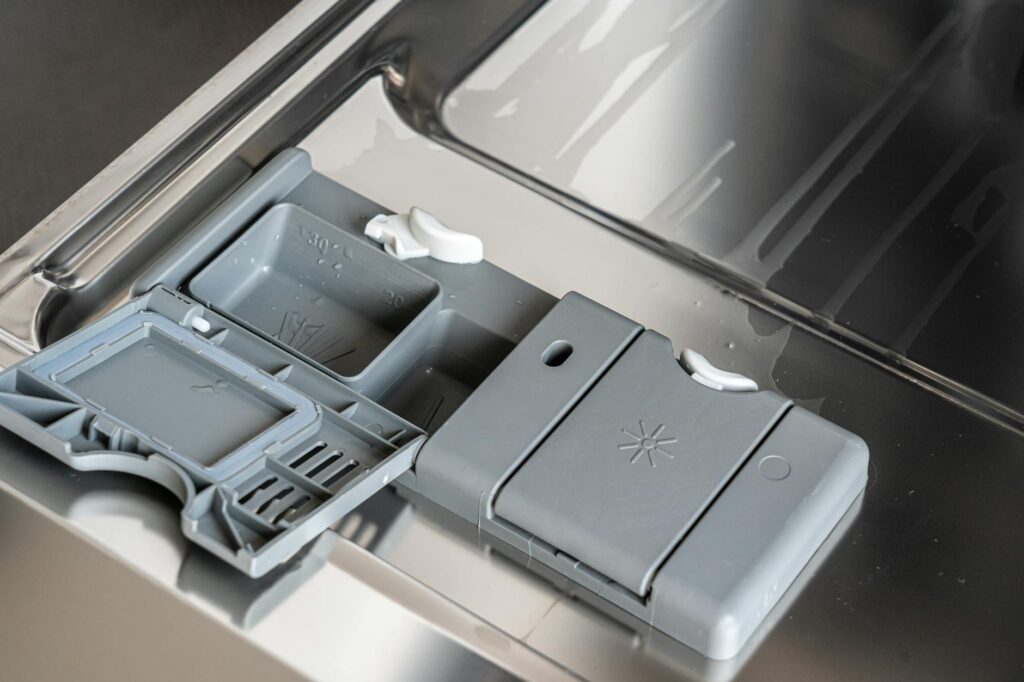
2. Add the Cleaner: Place the cleaner in the detergent compartment.
3. Run the Dishwasher: Select a hot wash cycle to effectively clean the interior.
Step 6: Check and Clean the Drain
1. Locate the Drain: Look at the bottom of the dishwasher for any debris.
2. Remove Blockages: Clear any visible debris that could obstruct water flow.
3. Run Hot Water: Pour a kettle of hot water down the drain to help dissolve any build-up.
Best Cleaning Methods
Utilize these effective cleaning methods for maintaining a fresh dishwasher:
1. Vinegar: A natural deodorizer, vinegar can help eliminate odours and break down mineral deposits. Run a cycle with a cup of vinegar placed on the top rack.
2. Baking Soda: Sprinkle a cup of baking soda in the bottom of the dishwasher and run a short hot cycle. This will neutralize odours and help with stains.
3. Commercial Dishwasher Cleaners: Consider using a commercial cleaner specifically designed for dishwashers. Follow the manufacturer’s instructions for the best results.
4. Lemon Juice: The acidity of lemon juice can cut through grease and leave a fresh scent. You can place lemon peels in the utensil basket or run a cycle with a cup of lemon juice.
Common Mistakes to Avoid
To ensure your cleaning efforts are effective, avoid these common mistakes:
1. Ignoring the Filter: Neglecting to clean the filter regularly can lead to persistent odours.
2. Overloading the Dishwasher: This can prevent proper cleaning and lead to food residue build-up.
3. Using Too Much Detergent: Excess detergent can leave a residue that contributes to odours.
4. Not Running Hot Cycles: Skipping hot cycles can fail to eliminate bacteria and food particles.
5. Neglecting to Inspect: Regular checks of seals, spray arms, and the drain can prevent odour issues before they start.
Prevention Tips
Preventing odours in your dishwasher is easier than you think. Here are some tips:
1. Rinse Dishes Before Loading: This reduces food residue in the dishwasher.
2. Run the Dishwasher Regularly: Even if it’s not full, running it helps prevent stagnation of water.
3. Leave the Door Ajar: After a wash cycle, leave the door slightly open to help air circulation and drying.
4. Use a Rinse Aid: This can help prevent residue build-up.
5. Check Water Quality: If hard water is a problem, consider using a water softener.
Frequently Asked Questions
1. How often should I clean my dishwasher?
It’s recommended to clean your dishwasher at least once a month to prevent odours and maintain efficiency.
2. Can I use bleach to clean my dishwasher?
No, bleach can damage the internal parts of the dishwasher and may not effectively eliminate odours.
3. Why does my dishwasher smell like rotten eggs?
This could indicate food debris trapped in the filter or drain. Clean these areas thoroughly.
4. Is it safe to use vinegar in my dishwasher?
Yes, vinegar is safe and effective for cleaning and deodorizing your dishwasher.
5. What if the odour persists after cleaning?
If the smell persists, consider checking for hidden blockages or consult a professional for a more thorough inspection.
6. Can I use essential oils to freshen my dishwasher?
While essential oils can mask odours, they may not effectively eliminate the cause. It’s best to address the underlying issues first.
By following these guidelines and tips, you can keep your dishwasher smelling fresh and ensure it operates efficiently for years to come. A clean dishwasher not only enhances your kitchen experience but also maintains the hygiene of your dishes.