
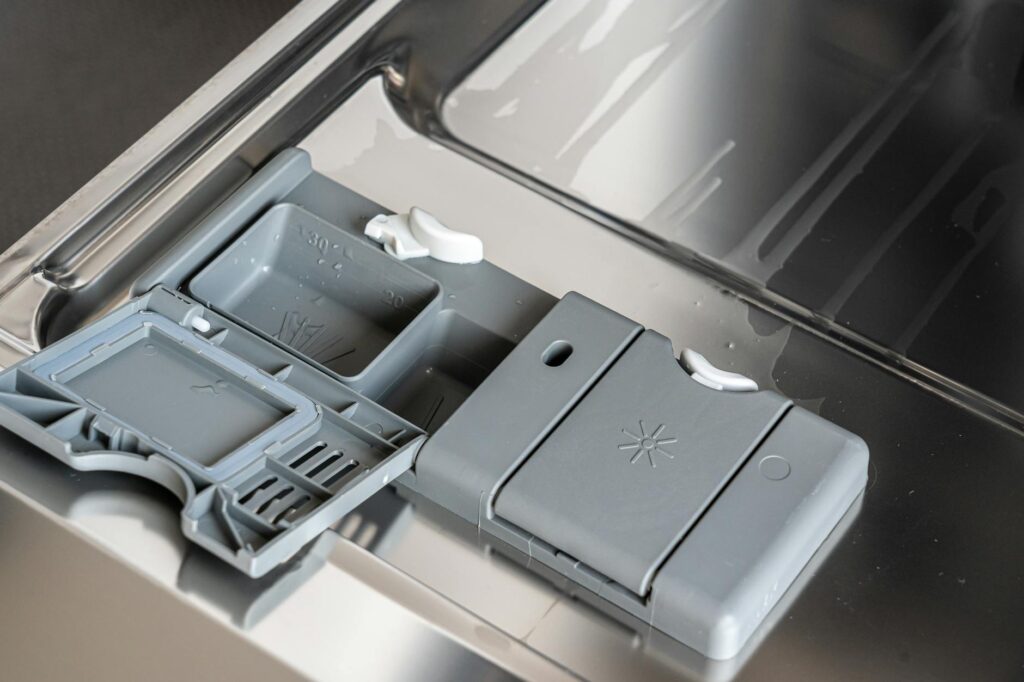
Dishwasher Odour Guide Part 1
Introduction
A clean dishwasher is essential for maintaining a fresh kitchen environment. However, unpleasant odours can develop over time, leading to frustration and concern about your dishwashing practices. This guide aims to help you identify the causes of these odours, offer straightforward solutions, and provide tips on how to prevent them from returning.
What Causes Odours?
Understanding the root causes of dishwasher odours is the first step in addressing the issue. Here are some common culprits:
- Food Residue: Leftover food particles can get trapped in the filter or spray arms, leading to foul smells.
- Mold and Mildew: Moisture can create an environment where mold thrives, especially in damp areas of the dishwasher.
- Hard Water Deposits: Mineral buildup can lead to a stale smell as it interacts with food residues.
- Clogged Drain: A blocked drain can cause food and debris to stagnate, producing unpleasant odours.
- Old Dishwashing Detergent: Using expired or improperly stored detergent can lead to ineffective cleaning and lingering smells.
Why This Problem Happens
Dishwasher odours often occur due to neglect in cleaning routines or improper use. Here are a few reasons why these issues arise:
1. Infrequent Cleaning: Many homeowners overlook the need to clean their dishwashers regularly.
2. Not Scraping Dishes: If dishes are not rinsed properly before loading, food particles can accumulate.
3. Improper Loading: Blocking spray arms with improperly loaded dishes can prevent adequate cleaning.
4. Neglecting the Filter: Failing to clean or replace the filter can trap food particles and create smells.
How to Fix Odours (Step-by-Step)
Step 1: Empty the Dishwasher
Start by removing all dishes, utensils, and any other items from the dishwasher.
Step 2: Inspect the Filter
1. Locate the filter, typically found at the bottom of the dishwasher.
2. Remove the filter and rinse it under hot water to remove any food particles or debris.
3. Use a soft brush to scrub stubborn residue.
Step 3: Clean the Spray Arms
1. Check the spray arms for clogs. Remove any visible debris.
2. If necessary, remove the spray arms (consult your manual).
3. Rinse them under hot water and use a toothpick to clear any blocked holes.
Step 4: Run a Cleaning Cycle
1. Place a dishwasher-safe container filled with white vinegar on the top rack.
2. Run a hot water cycle. The vinegar will help break down residue and neutralize odours.
Step 5: Baking Soda Treatment
1. After the vinegar cycle, sprinkle a cup of baking soda on the bottom of the dishwasher.
2. Run a short hot water cycle. This will freshen the interior and absorb lingering smells.
Step 6: Wipe Down Seals and Door
Use a damp cloth to wipe the rubber seals around the door and the interior walls. This will help remove any mildew or residue.
Best Cleaning Methods
Vinegar
Vinegar is a natural deodorizer that can help break down grease and residue. Use it monthly as part of your cleaning routine.
Baking Soda
Baking soda is excellent for absorbing odours. Use it after running a vinegar cycle for best results.
Citric Acid
This is effective for tackling hard water deposits. You can find citric acid in powdered form in most grocery stores.
Commercial Dishwasher Cleaners
If natural methods don’t yield results, consider a commercial cleaner designed specifically for dishwashers. Follow the manufacturer’s instructions carefully.
Common Mistakes to Avoid
1. Ignoring the Filter: Regularly check and clean the filter. A dirty filter is a common source of odours.
2. Overloading the Dishwasher: Avoid stacking dishes too tightly, as this can block spray arms and lead to inadequate cleaning.
3. Using Expired Detergent: Always check the expiration date on your detergent. Old detergent may not clean effectively.
4. Not Rinsing Dishes: Make sure to rinse off leftover food before placing them in the dishwasher.
Prevention Tips
1. Regular Cleaning: Make it a habit to clean your dishwasher once a month.
2. Rinse Dishes: Always rinse your dishes before loading them into the dishwasher.
3. Use the Right Detergent: Choose a quality dishwasher detergent that works well with your water type (hard or soft).
4. Leave the Door Ajar: After a wash cycle, leave the door slightly open to allow moisture to escape.
5. Check the Drain: Regularly inspect the drain to ensure it’s not clogged.
Frequently Asked Questions
1. How often should I clean my dishwasher?
Aim to clean your dishwasher once a month to prevent odours and buildup.
2. Can I use bleach to clean my dishwasher?
No, bleach can damage the dishwasher components. Stick to vinegar or baking soda for safe cleaning.
3. What if the odour persists after cleaning?
If the smell remains, check for hidden food debris or consider using a commercial dishwasher cleaner.
4. Is it safe to run my dishwasher with vinegar and baking soda together?
Yes, but it’s best to run them in separate cycles for maximum effectiveness.
5. How do I know if my dishwasher filter needs replacing?
If cleaning the filter doesn’t improve the smell or if it’s damaged, it may need replacing.
6. Can using too much detergent cause odours?
Yes, excessive detergent can lead to buildup and residual odours. Always follow the recommended amount.
By following this guide, you can tackle dishwasher odours effectively, ensuring your kitchen remains a fresh and welcoming space. Keep your cleaning routine consistent and your dishwasher will reward you with clean, odor-free dishes.