
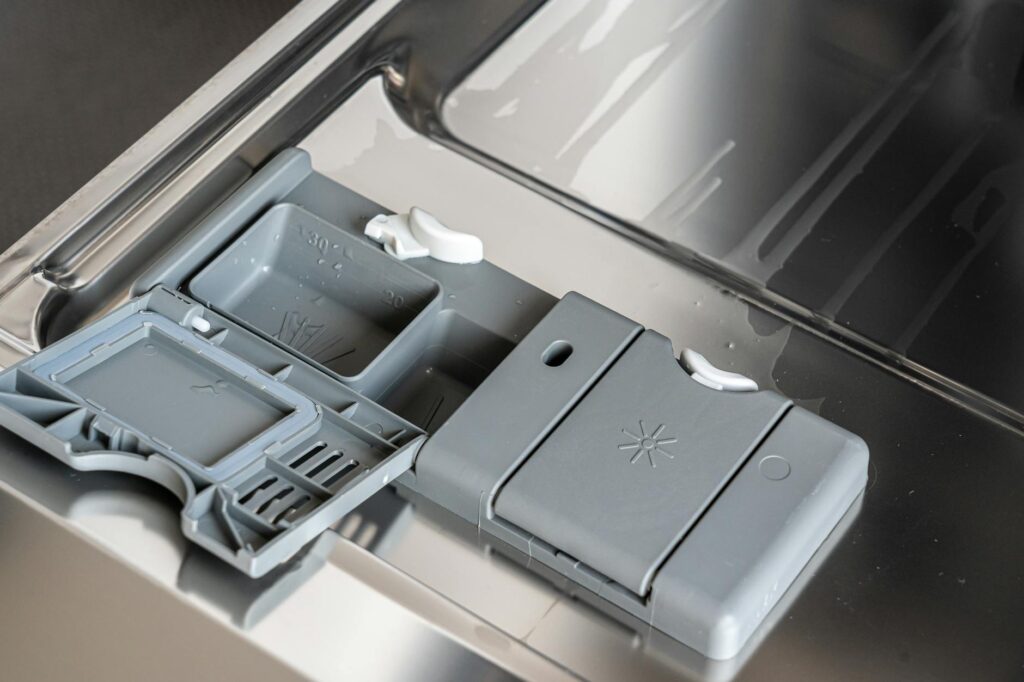
Dishwasher Odor Laundry Guide Part 2
Introduction
Dishwasher odor can be a frustrating problem, especially when it starts to affect your laundry. A musty or unpleasant smell can linger on your clothes and towels, making them less enjoyable to wear or use. In this guide, we’ll dive deep into the causes of these odors and provide practical solutions to eliminate them effectively.
What Causes Laundry Odor?
The odors you encounter in your laundry often stem from a few common sources:
1. Bacteria and Mold Growth: Warm, damp environments are breeding grounds for bacteria and mold, which can produce foul smells.
2. Food Residue: Particles left in your dishwasher can transfer to your laundry, causing unwanted odors.
3. Old or Dirty Dishcloths/Towels: Using dishcloths or towels that have absorbed food or liquid can lead to lingering smells.
4. Hard Water: Mineral buildup from hard water can create an environment conducive to odor.
Understanding these causes is the first step in combating unpleasant smells in your laundry.
Why This Problem Happens
Odors can occur when your dishwasher isn’t cleaned regularly or effectively. A dirty dishwasher can harbor bacteria and mildew, which can transfer their smells to your laundry. Additionally, if your laundry area is humid or poorly ventilated, it can exacerbate the problem.
When clothes are washed in a dishwasher that carries these odors, they can absorb the smells, leading to laundry that smells less than fresh.
How to Fix Laundry (Step-by-Step)
Step 1: Identify the Source of the Odor
Before tackling the laundry, check your dishwasher. Run a cycle with vinegar to eliminate any residual smells. If your clothes still smell, they may need deeper cleaning.
Step 2: Wash Affected Items
1. Separate the Laundry: Identify which items have absorbed the odor and separate them from the rest.
2. Pre-Treat Stains: If there are visible stains, treat them with a stain remover or a paste of baking soda and water.
3. Use Hot Water: Wash the affected items in hot water, as this is more effective in killing bacteria and eliminating odors.
4. Add White Vinegar: Include a cup of white vinegar in the rinse cycle to neutralize odors.
5. Use Baking Soda: Adding half a cup of baking soda to your wash can also help absorb unwanted smells.
Step 3: Dry Properly
After washing, dry your clothes immediately. If possible, hang them outside in the fresh air. If using a dryer, ensure it’s clean and free of any residual odors.
Best Cleaning Methods
Here are some effective cleaning methods to eliminate odors from both your dishwasher and laundry:
1. Vinegar Rinse
Run an empty dishwasher cycle with a cup of white vinegar placed in a dishwasher-safe cup on the top rack. This will help to break down any food particles and neutralize odors.
2. Baking Soda Boost
After running the vinegar cycle, sprinkle a cup of baking soda on the bottom of the dishwasher and run another short cycle. This helps absorb any remaining smells.
3. Salt and Ice Cubes
For tough grime, a mixture of salt and ice cubes can be a great abrasive cleaner. Let it run through a cycle to scrub the dishwasher’s insides.
4. Essential Oils
Adding a few drops of essential oils, like lemon or tea tree, to your wash can leave a pleasant scent and also have antibacterial properties.
Common Mistakes to Avoid
1. Ignoring the Dishwasher: Regularly check and clean your dishwasher to prevent odors from developing.
2. Overloading Laundry: Overloading can prevent items from being cleaned properly, allowing odors to persist.
3. Using Cold Water: Cold washes may not effectively kill bacteria, leading to lingering odors.
4. Neglecting to Dry: Leaving damp laundry in the washer can lead to musty smells.
Prevention Tips
1. Regular Cleaning: Clean your dishwasher at least once a month. Use vinegar and baking soda regularly.
2. Check for Food Residue: After each use, wipe down the dishwasher door and ensure no food particles are left behind.
3. Proper Ventilation: Ensure your laundry area is well-ventilated to prevent moisture accumulation.
4. Use Quality Detergents: Invest in good quality detergents that have odor-fighting properties.
5. Dry Immediately: Don’t leave laundry sitting in the washer; dry it as soon as the cycle is complete.
Frequently Asked Questions
1. How often should I clean my dishwasher to prevent odors?
It’s advisable to clean your dishwasher at least once a month to prevent odor buildup.
2. Can I use bleach to clean my dishwasher?
Bleach is not recommended as it can damage the rubber seals in your dishwasher. Stick to vinegar and baking soda.
3. Why does my laundry still smell after washing?
If your laundry smells after washing, it could be due to a dirty washing machine, using cold water, or not drying items promptly.
4. What can I do if my towels smell musty after washing?
Rewash your towels using hot water, vinegar, and baking soda. Ensure they are dried completely.
5. Can hard water cause laundry odors?
Yes, hard water can lead to mineral buildup, which may contribute to odors in both your dishwasher and laundry.
6. Is it safe to mix vinegar and baking soda?
Yes, it is safe to mix vinegar and baking soda, but do so in separate cycles for cleaning efficiency. They react and can neutralize odors effectively when used individually.
By following these tips and methods, you can effectively combat dishwasher odor that seeps into your laundry. Keep your laundry smelling fresh and clean by maintaining both your washing habits and your appliances.