
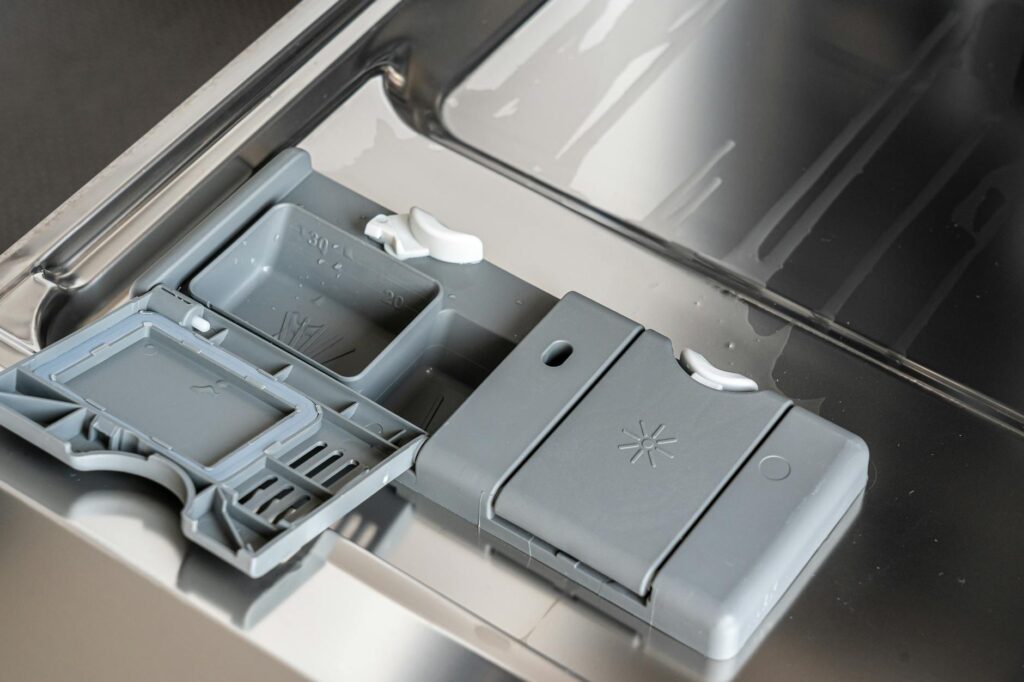
Dishwasher Odor Appliances Guide Part 2
Introduction
A clean dishwasher is essential for maintaining a fresh-smelling kitchen and ensuring your dishes come out spotless. However, unpleasant odors can sometimes linger, indicating deeper issues. In this guide, we’ll explore the causes of dishwasher odors, how to fix them, and tips for keeping your appliance smelling fresh.
What Causes Appliances?
Dishwasher odors often stem from a few common culprits:
1. Food Residue: Leftover food particles can accumulate in the filter, spray arms, or on the interior walls.
2. Mold and Mildew: Damp environments can encourage mold and mildew growth, especially in the rubber gaskets and seals.
3. Clogged Drain: A blocked drain can cause stagnant water, leading to foul smells.
4. Hard Water Build-Up: Mineral deposits from hard water can create a breeding ground for odor-causing bacteria.
Understanding these causes is the first step in effectively tackling unwanted odors.
Why This Problem Happens
The dishwasher’s environment—warm, moist, and often dark—creates perfect conditions for bacteria and mold to thrive. When combined with food residues and stagnant water, these factors can lead to unpleasant smells. Regular maintenance is crucial to prevent these issues from developing into larger problems.
How to Fix Appliances (Step-by-Step)
Here’s a practical guide to addressing and fixing dishwasher odors:
Step 1: Clean the Filter
1. Locate the Filter: Remove the bottom rack and find the filter, typically located at the bottom of the dishwasher.
2. Remove and Rinse: Take out the filter and rinse it under warm water. Use a soft brush to scrub away any trapped food particles.
3. Reassemble: Once clean, return the filter to its original position.
Step 2: Inspect and Clean Spray Arms
1. Remove Spray Arms: Check if the spray arms can be detached. Consult your manual if unsure.
2. Clear Blockages: Use a toothpick to clear any food debris from the spray holes.
3. Rinse: Rinse the spray arms under running water before reattaching.
Step 3: Clean Door Seals
1. Wipe Down: Use a damp cloth and mild detergent to wipe the rubber gasket around the door.
2. Inspect for Mold: Look for signs of mold or mildew and scrub with a vinegar solution if needed.
Step 4: Run a Cleaning Cycle
1. Use Vinegar: Place a cup of white vinegar in a dishwasher-safe container on the top rack.
2. Start a Cycle: Run the dishwasher on a hot cycle.
3. Baking Soda Treatment: After the vinegar cycle, sprinkle a cup of baking soda on the bottom and run a short hot water cycle to neutralize odors.
Step 5: Check the Drain
1. Inspect for Clogs: Ensure the drain is clear of any debris.
2. Flush with Hot Water: Pour hot water down the drain to dislodge any blockages.
Best Cleaning Methods
To keep your dishwasher smelling fresh, consider these effective cleaning methods:
1. Vinegar: A natural deodorizer and cleaner that helps break down grease and mineral deposits.
2. Baking Soda: Excellent for absorbing odors and providing gentle abrasion for scrubbing.
3. Citric Acid: This can help remove hard water stains and build-up, leaving a fresh scent.
4. Dishwasher Cleaning Tablets: These are designed to remove grease and limescale. Use them monthly for maintenance.
Common Mistakes to Avoid
Avoid these pitfalls to maintain a fresh-smelling dishwasher:
1. Ignoring the Filter: Neglecting to clean the filter can lead to persistent odors.
2. Using Too Much Detergent: Excess detergent can cause residue build-up, contributing to smells.
3. Not Running Hot Cycles: Skipping hot cycles can prevent bacteria and mold from being effectively eliminated.
4. Closing the Door After Use: Keeping the door closed can trap moisture and create a breeding ground for odors.
Prevention Tips
To keep your dishwasher odor-free, follow these prevention tips:
1. Rinse Dishes: Scrape off food particles before placing dishes in the dishwasher.
2. Leave the Door Ajar: After a cycle, leave the door slightly open to allow moisture to escape.
3. Run Regular Cleaning Cycles: Schedule monthly cleanings using vinegar or special dishwasher cleaners.
4. Check for Leaks: Regularly inspect for leaks that could create stagnant water.
5. Use a Dishwasher Freshener: Consider using a dishwasher deodorizer to maintain freshness.
Frequently Asked Questions
1. How often should I clean my dishwasher?
Aim for a deep clean once a month, but you should check the filter weekly and wipe down seals regularly.
2. Can I use bleach to clean my dishwasher?
Avoid using bleach as it can damage the interior and rubber seals. Stick to vinegar or baking soda instead.
3. What should I do if the odor persists?
If odors continue despite cleaning, consider checking for clogs in the drain or calling a professional.
4. Is it normal for my dishwasher to smell after a cycle?
A slight odor can be normal, especially if there is food residue. However, a strong or foul smell indicates a problem.
5. Will running a hot cycle help with odors?
Yes, running a hot cycle can help eliminate bacteria and mold, reducing odors significantly.
6. Can hard water cause dishwasher odors?
Yes, hard water can lead to mineral build-up, which can harbor bacteria and create unpleasant smells.
By following these practical steps and tips, you can maintain a clean and odor-free dishwasher, ensuring your kitchen remains fresh and inviting. Regular maintenance is key to preventing odors and prolonging the life of your appliance.