
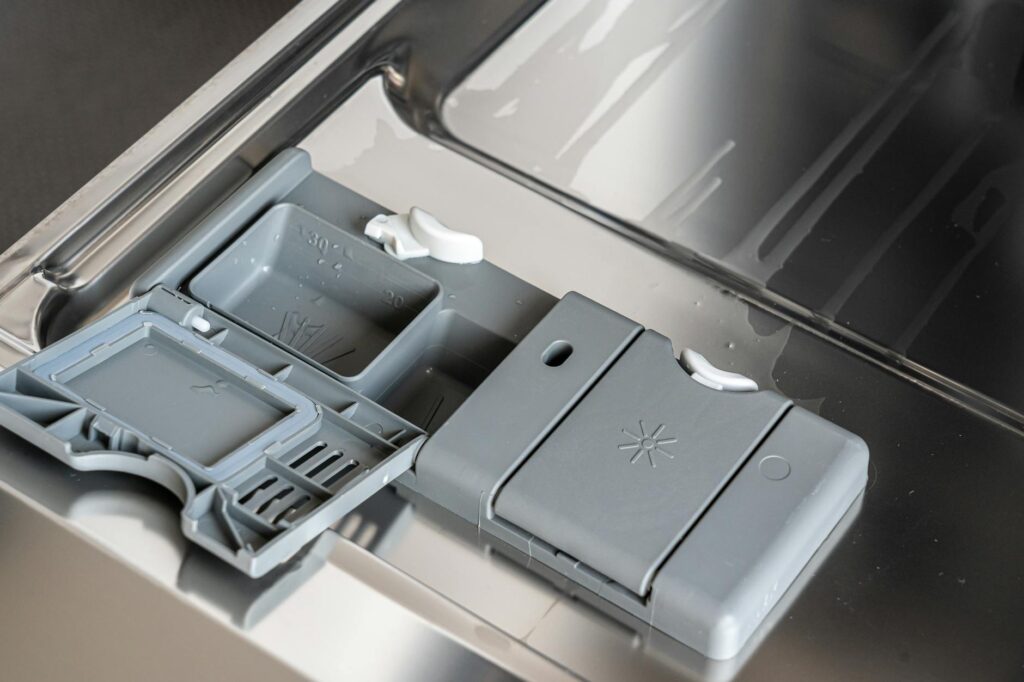
Dishwasher Mold Cleaning Guide Part 1
Introduction
Dishwashers are a staple in many kitchens, saving time and effort on dish cleaning. However, they can become a breeding ground for mold if not properly maintained. Mold in your dishwasher can affect your dishes and even lead to unpleasant odors. This guide will walk you through understanding, cleaning, and preventing mold buildup in your dishwasher.
What Causes Mold?
Mold thrives in moist, dark environments, making dishwashers an ideal habitat. The combination of food particles, moisture, and warmth creates the perfect conditions for mold growth. Key factors contributing to mold formation include:
1. Food Residue: Leftover food particles can stick to the interior components and provide nourishment for mold.
2. Poor Drainage: If water doesn’t drain properly, it can create stagnant pools where mold can flourish.
3. Humidity: High humidity levels in the kitchen or during the wash cycle can promote mold growth.
4. Infrequent Use: If your dishwasher sits unused for long periods, moisture can accumulate, leading to mold issues.
Why This Problem Happens
Mold in dishwashers is not only an aesthetic problem but can also affect the cleanliness of your dishes. Here are some reasons why mold develops:
- Neglected Maintenance: Regular cleaning and maintenance are often overlooked. Neglecting the dishwasher’s interior and filters can lead to mold growth.
- Inadequate Drying: If your dishwasher doesn’t dry thoroughly after each cycle, moisture can linger, promoting mold.
- Improper Loading: Overloading can restrict water flow and prevent proper cleaning, leaving food particles behind.
- High Temperatures: Although high temperatures can kill some types of mold, they can also create an environment conducive to growth when combined with moisture.
- White vinegar
- Baking soda
- A soft cloth or sponge
- A small brush (like an old toothbrush)
- Dish soap
- Rubber gloves (optional)
- Vinegar: Its acidity helps kill mold and bacteria while deodorizing.
- Baking Soda: A natural abrasive, it helps scrub away stubborn mold and odors.
- Commercial Dishwasher Cleaner: If mold persists, consider using a specialized dishwasher cleaner designed for mold removal.
How to Fix Mold (Step-by-Step)
Step 1: Gather Your Supplies
Before you start, gather the following materials:
Step 2: Empty the Dishwasher
Remove all dishes, utensils, and any detachable parts such as racks or cutlery holders. This will give you full access to the interior.
Step 3: Inspect and Remove Debris
Check the bottom of the dishwasher for food debris and any visible signs of mold. Use the small brush to clear away any buildup.
Step 4: Clean the Interior
1. Vinegar Wash: Pour a cup of white vinegar into a dishwasher-safe container and place it on the top rack. Run a hot water cycle. The vinegar will help to disinfect and eliminate odors.
2. Baking Soda Treatment: After the vinegar cycle, sprinkle a cup of baking soda on the bottom of the dishwasher and run a short hot water cycle. This will further deodorize and help lift any remaining mold.
Step 5: Clean the Filters
Remove the dishwasher filter (refer to your user manual if needed). Rinse it under hot water and scrub gently with dish soap to remove any buildup. Allow it to dry completely before reinserting.
Step 6: Wipe Down Seals and Edges
Using a soft cloth or sponge dipped in a mixture of water and dish soap, wipe down the rubber seals and edges of the door. Pay special attention to crevices where moisture may accumulate.
Step 7: Final Check
Inspect the interior again for any remaining signs of mold or debris. If necessary, repeat the cleaning steps.
Best Cleaning Methods
To effectively eliminate mold, consider these methods:
Common Mistakes to Avoid
1. Ignoring Maintenance: Regularly inspect and clean your dishwasher to prevent mold buildup.
2. Using Harsh Chemicals: Avoid bleach and other harsh chemicals, as they can damage the dishwasher’s parts.
3. Overloading the Dishwasher: Ensure proper loading for optimal cleaning and drying.
4. Leaving the Door Closed: After the cycle, leave the door slightly ajar to allow air circulation and moisture evaporation.
Prevention Tips
1. Run Hot Cycles Regularly: Use hot water cycles to keep the interior clean and dry.
2. Use a Dishwasher Cleaner Monthly: Consistent use of a dishwasher cleaner can help maintain a mold-free environment.
3. Keep the Door Open: After using the dishwasher, leave the door ajar to allow it to dry completely.
4. Inspect and Clean Regularly: Make it a habit to check for food debris and clean the filters and seals once a month.
Frequently Asked Questions
1. How often should I clean my dishwasher?
Aim to clean your dishwasher at least once a month to prevent mold and buildup.
2. Can I use bleach to clean my dishwasher?
It’s best to avoid bleach, as it can damage the dishwasher’s components and may not effectively eliminate mold.
3. What if the mold persists after cleaning?
If mold persists, you may need to replace the dishwasher filter and consult a professional for deeper cleaning options.
4. Is mold in my dishwasher harmful?
While it may not pose serious health risks, mold can affect the cleanliness of your dishes and create unpleasant odors.
5. Can I prevent mold without using chemicals?
Yes, regular cleaning with natural ingredients like vinegar and baking soda can effectively prevent mold growth without harsh chemicals.
6. What should I do if I notice a musty smell?
A musty smell may indicate mold. Clean your dishwasher thoroughly using the steps outlined above and consider using a dishwasher cleaner for extra care.
By following this guide, you can effectively manage and eliminate mold in your dishwasher, ensuring a clean and odor-free kitchen appliance. Stay tuned for Part 2, where we’ll delve into advanced cleaning techniques and troubleshooting tips.