
Couch Odor Removal Mould & Damp Guide Part 1
Introduction
Mould and dampness can be a homeowner’s worst nightmare, especially when it comes to your couch. Not only do these issues create unpleasant odors, but they can also damage your furniture and affect indoor air quality. This guide aims to provide practical, step-by-step solutions for tackling mould and damp issues on your couch, ensuring it remains a comfortable and inviting part of your home.
What Causes Mould & Damp?
Mould and dampness typically thrive in environments that are dark, humid, and poorly ventilated. Your couch can become a breeding ground for these issues due to several factors:
1. Moisture Accumulation: Spills, sweat, or humidity can create a damp environment.
2. Poor Ventilation: Lack of airflow can trap moisture.
3. Temperature Fluctuations: Warm temperatures can encourage mould growth if combined with humidity.
4. Proximity to Walls: Couches placed against damp walls can absorb moisture.
Understanding these causes is essential for effective resolution and prevention.
Why This Problem Happens
Mould spores are everywhere, but they require specific conditions to grow. When your couch absorbs moisture, it becomes a perfect host for these spores. Here are some reasons why this problem might occur in your home:
- High Humidity Levels: Areas with high humidity can lead to moisture build-up in upholstery.
- Spills and Accidents: Liquid spills that aren’t cleaned promptly can seep into fabric and padding.
- Infrequent Cleaning: Dust and dirt can trap moisture, promoting mould growth if cleaning routines are neglected.
- Neglected Repairs: Leaky roofs, windows, or plumbing can introduce moisture into living spaces.
- Check for visible signs of mould or dampness. Look for discoloration, fuzzy patches, or a musty smell.
- Use your nose! If you detect a musty odor, it’s likely that mould is present.
- Move the couch to a well-ventilated area to prevent spreading spores.
- If possible, take it outside to get fresh air and sunlight, which can help kill mould spores.
- Use a vacuum cleaner with a HEPA filter to remove loose dirt, dust, and mould spores.
- Pay special attention to seams and crevices where dirt can accumulate.
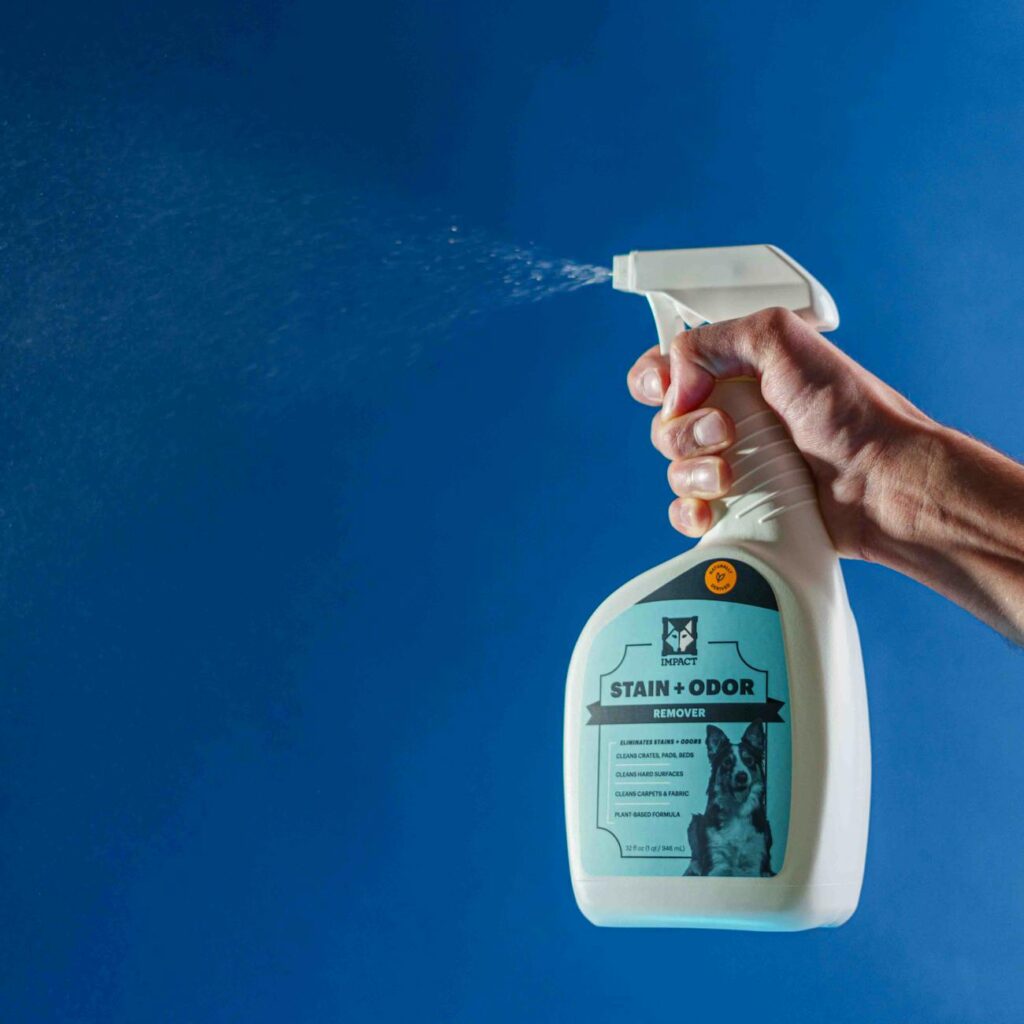
- Mix equal parts of white vinegar and water in a spray bottle. Vinegar is a natural mould killer.
- Alternatively, mix one tablespoon of dish soap in a quart of warm water for a soapy solution.
- Lightly spray the affected areas with your chosen solution.
- Gently scrub with a soft brush or cloth. Avoid soaking the fabric; you want it damp, not wet.
- If using vinegar, let it sit for about 10 minutes to allow it to penetrate the mould.
- Wipe the area with a clean, damp cloth to remove the cleaning solution.
- Use a dry cloth to blot excess moisture.
- Allow the couch to air dry completely. If possible, place it in direct sunlight.
- Once dry, sprinkle baking soda over the affected area and leave it for a few hours.
- Vacuum up the baking soda to eliminate any lingering odors.
How to Fix Mould & Damp (Step-by-Step)
Step 1: Identify the Problem Area
Step 2: Remove the Couch from the Area
Step 3: Vacuum Thoroughly
Step 4: Prepare a Cleaning Solution
Step 5: Clean the Affected Area
Step 6: Rinse and Dry
Step 7: Deodorize
Best Cleaning Methods
The following methods are effective for removing mould and damp from couches:
1. Vinegar Solution: As mentioned, vinegar is effective for killing mould spores and neutralizing odors.
2. Baking Soda: It absorbs moisture and neutralizes smells.
3. Commercial Mould Removers: Use a product specifically designed for upholstery, following the manufacturer’s instructions.
4. Steam Cleaning: If your couch is steam-cleaner compatible, this method can effectively kill mould without harsh chemicals.
Common Mistakes to Avoid
1. Over-Saturating the Couch: Excess moisture can worsen the problem, making it more difficult to dry.
2. Ignoring the Underlying Cause: Address the root cause of dampness, such as leaks or poor ventilation, to prevent recurrence.
3. Using Harsh Chemicals: Strong chemicals may damage fabric and can also leave harmful residues.
4. Not Allowing Enough Drying Time: Rushing this step can lead to further mould growth.
Prevention Tips
1. Keep Your Home Dry: Use dehumidifiers in damp areas and ensure proper ventilation.
2. Regularly Clean Your Couch: Vacuum and clean upholstery regularly to remove dust and moisture.
3. Address Spills Immediately: Clean up any spills as soon as they happen to prevent moisture accumulation.
4. Use Protective Covers: Consider using washable, breathable couch covers that can be removed and cleaned easily.
Frequently Asked Questions
1. How can I tell if my couch has mould?
Look for visible discoloration, fuzzy patches, or a musty smell. These are common indicators of mould growth.
2. Can I use bleach to clean mould from my couch?
While bleach can kill mould, it may also damage the fabric and is best avoided. Stick to vinegar or specialized upholstery cleaners.
3. How often should I clean my couch to prevent mould?
Aim to vacuum and spot clean your couch at least once a month, and do a deep clean every few months.
4. Is mould on my couch dangerous?
Mould can be a health risk, especially for individuals with respiratory issues. It’s best to address it promptly.
5. Can I place my couch in direct sunlight to kill mould?
Yes, sunlight can help kill mould spores, but be cautious of fading fabric colors over time.
6. What should I do if the mould problem is severe?
If mould covers a large area or has penetrated deep into the fabric, it may be best to consult a professional cleaning service.
By following these steps, you can effectively tackle mould and damp issues on your couch and create a cleaner, more inviting living space. Stay tuned for Part 2, where we’ll explore more advanced solutions and tips for maintaining your upholstery.