
Carpet Odor Removal Mould & Damp Guide Part 2
Introduction
Dealing with mould and damp in carpets can be a homeowner’s nightmare. These problems not only create unpleasant odors but can also lead to significant damage if not addressed promptly. In this guide, we’ll explore the causes, solutions, and prevention methods for tackling mould and damp in your carpets effectively.
What Causes Mould & Damp?
Mould and damp in carpets are typically caused by:
1. Excess Moisture: High humidity levels or water leaks can saturate carpets, creating an ideal environment for mould growth.
2. Poor Ventilation: Lack of airflow in rooms can trap moisture, contributing to damp conditions.
3. Flooding: Incidents such as overflowing sinks or heavy rain can introduce significant water into your home.
4. Condensation: Cold surfaces can lead to condensation, especially in areas like basements or poorly insulated rooms.
Understanding these causes can help you identify the source of the problem and take appropriate action.
Why This Problem Happens
Mould thrives in damp environments, and carpets can absorb moisture from various sources. When carpets remain wet for extended periods, they become a breeding ground for mould spores. The organic materials in carpets also provide a food source for mould, making it even more crucial to address any moisture issues swiftly.
How to Fix Mould & Damp (Step-by-Step)
Step 1: Identify the Source of Moisture
Before tackling the mould, you need to find out where the moisture is coming from. Check for leaks, condensation, or damp walls. Fix any identified issues to prevent future occurrences.
Step 2: Remove the Affected Carpet
If mould growth is extensive, consider removing the affected carpet. Place it in a well-ventilated area outdoors to dry. If removal isn’t an option, proceed with cleaning.
Step 3: Dry the Area Thoroughly
Use fans or a dehumidifier to dry the area completely. Ensure the room is ventilated to facilitate airflow. Mould thrives in damp conditions, so a dry environment is essential.
Step 4: Clean the Carpet
Materials Needed:
- White vinegar
- Baking soda
- Spray bottle
- Scrub brush or cloth
Cleaning Instructions:
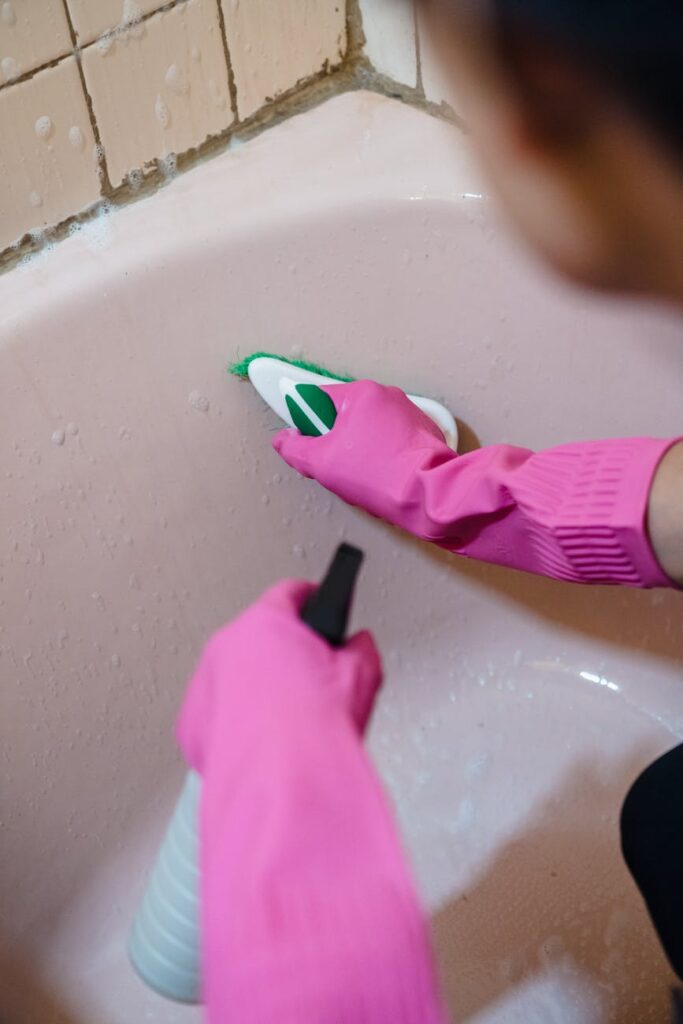
1. Vinegar Solution: Mix equal parts of white vinegar and water in a spray bottle. Spray the affected area generously.
2. Let It Sit: Allow the solution to sit for at least 15-20 minutes.
3. Scrub: Use a scrub brush or cloth to scrub the area gently.
4. Rinse: Dampen a clean cloth with water and wipe the area to remove any remaining vinegar.
5. Baking Soda: Sprinkle baking soda over the wet area to absorb moisture and neutralize odors. Leave it on for several hours or overnight.
6. Vacuum: Once dry, vacuum the baking soda thoroughly.
Step 5: Monitor the Area
After cleaning, keep an eye on the area for any signs of mould returning. Regularly check for moisture and ensure the room remains well-ventilated.
Best Cleaning Methods
1. Vinegar and Baking Soda: This combination is effective for both cleaning and deodorizing. Vinegar kills most mould spores, while baking soda absorbs moisture and odors.
2. Commercial Mould Cleaners: If the mould problem persists, consider using a commercial cleaner specifically designed for mould removal. Always follow the manufacturer’s instructions.
3. Steam Cleaning: For carpets, steam cleaning can be effective in removing mould and deep-seated dirt. Ensure the carpet dries completely afterward to avoid further mould growth.
Common Mistakes to Avoid
1. Not Addressing the Source: Cleaning the carpet without fixing the moisture issue will lead to recurrent problems.
2. Using Too Much Water: Excessive moisture during cleaning can worsen the situation. Always use minimal water when cleaning carpets.
3. Ignoring Ventilation: Neglecting to ventilate the area can trap moisture and promote mould growth.
4. Delaying Action: The longer you wait to address mould and damp, the more difficult it becomes to remove and the greater the potential for damage.
Prevention Tips
1. Control Humidity: Use dehumidifiers to maintain indoor humidity levels below 60%.
2. Ensure Good Ventilation: Regularly open windows and doors to promote airflow. Use exhaust fans in high-moisture areas like kitchens and bathrooms.
3. Inspect for Leaks: Regularly check plumbing and roofing for leaks and repair them immediately.
4. Clean Regularly: Vacuum carpets frequently to remove dirt and moisture that can contribute to mould growth.
5. Use Mould-Resistant Products: Consider using mould-resistant carpet and padding in high-moisture areas.
Frequently Asked Questions
1. Can I remove mould from carpet myself?
Yes, with the right cleaning methods and materials, you can effectively remove mould from carpets.
2. How can I tell if my carpet is too damp?
If your carpet feels wet to the touch, has visible mould, or emits a musty odor, it’s likely too damp.
3. What if the mould keeps coming back?
If mould returns after cleaning, it’s essential to address the source of moisture and improve ventilation in the area.
4. Are there any health risks associated with mould in carpets?
While this article avoids medical advice, it’s known that mould can cause allergic reactions and respiratory issues for some individuals.
5. Should I replace my carpet if it has mould?
If the mould is extensive and cleaning fails to eliminate it, replacement may be necessary.
6. Can professional cleaning help?
Yes, professional cleaning can be effective, especially for severe mould issues. They have specialized equipment and cleaning solutions.
By following this guide, you can tackle mould and damp in your carpets effectively, ensuring your home remains clean and odor-free. Regular maintenance and vigilance are key to preventing these issues from returning.