
Carpet Odor Removal Mould & Damp Guide Part 1
Introduction
Mould and dampness can turn your cozy home into a musty nightmare, especially when it affects your carpets. Not only does it create unpleasant odors, but it can also compromise the integrity of your flooring and potentially harm your health. This guide will provide you with practical, actionable steps to identify, fix, and prevent mould and damp issues in your carpets.
What Causes Mould & Damp?
Mould thrives in environments that are warm, dark, and humid. Common causes of mould and dampness in carpets include:
- High Humidity: Areas with humidity levels above 60% can encourage mould growth.
- Water Leaks: Leaky pipes or roofs can introduce moisture into carpets.
- Poor Ventilation: Lack of airflow can trap moisture.
- Flooding: Excess water from floods can saturate carpets, leading to mould.
- Condensation: This can occur in areas with poor insulation or heating.
- Climate: Areas with a naturally high humidity level are more susceptible.
- Home Structure: Older homes may have degraded materials that retain moisture.
- Lifestyle: Activities like drying laundry indoors or cooking without adequate ventilation can increase humidity.
- Neglect: Regular cleaning and maintenance are essential to prevent moisture buildup.
- Water stains on walls or ceilings.
- Visible mould on the carpet or surrounding areas.
- Musty odors that indicate hidden mould.
- A mixture of warm water and dish soap.
- Scrub the area with a stiff brush, focusing on any stains.
- A dehumidifier to reduce humidity.
- Fans to improve airflow.
- Open windows for ventilation, if weather permits.
- A commercial mould remover.
- A homemade solution of vinegar and water (1:1 ratio).
- Sprinkle baking soda over the damp area and let it sit for a few hours.
- Spray diluted vinegar (1 part vinegar, 1 part water) and scrub lightly.
- Apply a 3% hydrogen peroxide solution to the affected area.
- Allow it to sit for 10-15 minutes before blotting with a clean cloth.
Why This Problem Happens
Mould and dampness develop when conditions are right for moisture accumulation. Understanding these conditions is crucial for effective removal and prevention.
How to Fix Mould & Damp (Step-by-Step)
Step 1: Identify the Source of Moisture
Before you can fix the problem, you need to locate the source of the dampness. Look for:
Step 2: Remove the Affected Carpet
If the mould is extensive, it may be necessary to remove the affected carpet. Wear gloves and a mask to protect yourself, and follow these steps:
1. Use a utility knife to cut out the affected sections.
2. Place the pieces in a sealed plastic bag to prevent spores from spreading.
3. Dispose of the bag immediately.
Step 3: Clean the Subfloor
Once the carpet is removed, clean the subfloor. Use:
Step 4: Dry the Area
Drying is crucial to prevent mould from returning. Use:
Step 5: Treat with Anti-Fungal Solution
After drying, treat the area with an anti-fungal solution. You can use:
Apply it generously and let it sit for at least 15 minutes before wiping it away.
Step 6: Replace Carpet or Use Area Rugs
If the mould was extensive, consider replacing the carpet entirely. If you choose to keep your existing carpet, make sure it’s completely dry and clean before reinstalling.
Best Cleaning Methods
1. Vinegar and Baking Soda
A mixture of vinegar and baking soda is effective for neutralizing odours.
2. Hydrogen Peroxide
For tougher stains, hydrogen peroxide can be useful.
3. Commercial Carpet Cleaners
Several commercial products are made specifically for mould removal. Look for those labeled as “mould-killing” or “anti-fungal.”
Common Mistakes to Avoid
1. Ignoring the Source of Moisture
Failing to fix the source of dampness will only lead to recurring problems. Always address the root cause.
2. Not Using Protective Gear
When dealing with mould, it’s essential to wear gloves and a mask to protect your health.
3. Overlooking Ventilation
After cleaning, ensure the area is well-ventilated to prevent moisture from accumulating again.
4. Using Too Much Water
Using excessive water when cleaning can exacerbate the problem. Always use a damp cloth, not a soaking wet one.
Prevention Tips
1. Control Humidity: Use dehumidifiers in damp areas, especially basements.
2. Improve Ventilation: Open windows and doors to allow airflow; use exhaust fans in bathrooms and kitchens.
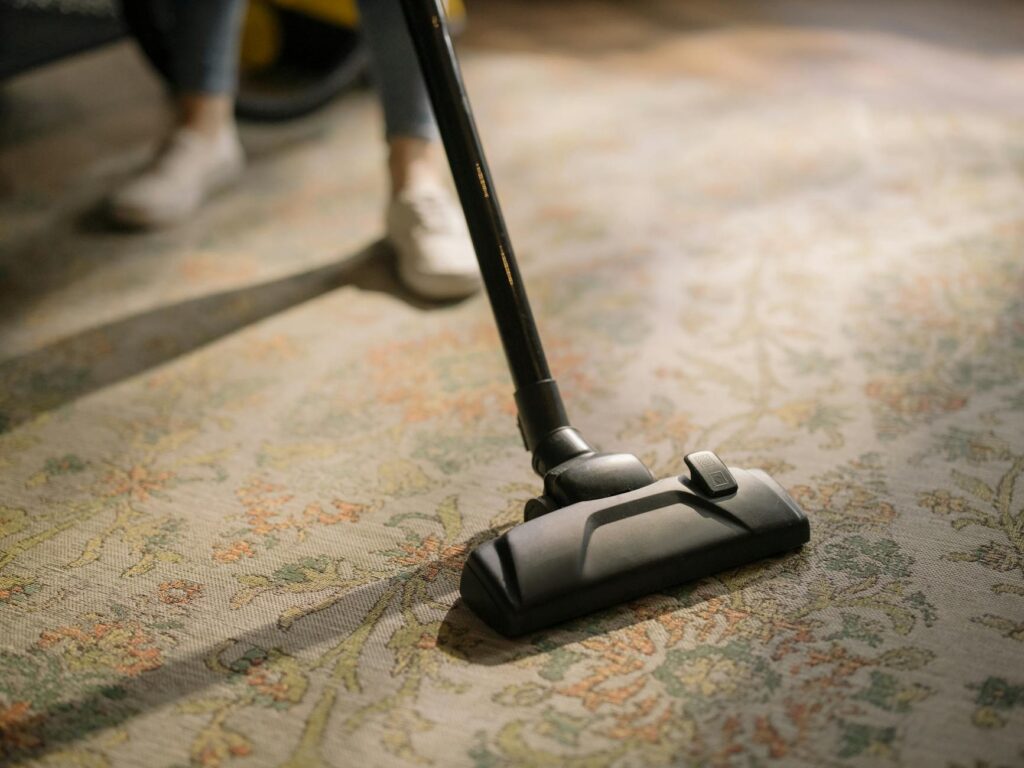
3. Regular Cleaning: Vacuum carpets regularly to remove dust and allergens that can trap moisture.
4. Check for Leaks: Regularly inspect plumbing and roofs for leaks.
5. Use Moisture Barriers: Consider moisture barriers for basements and crawl spaces.
Frequently Asked Questions
1. How do I know if I have mould in my carpet?
Look for visible growth or stains, and pay attention to musty odors.
2. Can I remove mould from carpet myself?
Yes, but extensive mould may require professional treatment.
3. How long does it take to remove mould from carpets?
The time varies depending on the extent of the damage. Minor issues can often be resolved in a few hours, while more severe cases may take days.
4. Is it safe to use bleach on carpets?
Bleach can damage carpet fibers and may not effectively kill mould spores. It’s best to use vinegar or commercial mould removers.
5. What if the odour persists after cleaning?
If the smell lingers, it may indicate that mould is still present. Consider professional cleaning or replacement.
6. How can I prevent mould from returning?
Control humidity, improve ventilation, and conduct regular checks for leaks or dampness.
Conclusion
Mould and dampness in carpets can be a frustrating issue, but with the right approach, you can effectively remove the problem and prevent it from returning. By understanding the causes and following the outlined steps, you can maintain a fresh and healthy living environment. Stay vigilant and proactive to keep your carpets and home free from mould and dampness.