
Carpet Odor Removal Kitchen Guide Part 1
Introduction
Carpets in the kitchen can be a cozy addition to your space, but they can also trap unpleasant odors from spills, food preparation, and everyday activities. This guide will help you tackle those stubborn smells and keep your kitchen fresh. We’ll explore common causes of carpet odors, effective cleaning methods, prevention tips, and more. Let’s dive in!
What Causes Kitchen Odors?
Kitchen odors emanate from various sources, including:
- Food Spills: Oils, sauces, and food particles can seep into the carpet fibers.
- Grease Buildup: Cooking often leads to grease splatters that cling to surfaces, including carpets.
- Moisture: Spills or humidity can cause mold and mildew, leading to musty smells.
- Pet Accidents: If you have pets, accidents can lead to persistent odors that are hard to eliminate.
- Cooking Odors: Strong scents from spices, fish, and other ingredients can linger in the fabric.
- Vacuum cleaner
- Baking soda
- White vinegar
- Dish soap
- Spray bottle
- Clean cloths or paper towels
- Carpet cleaner (optional)
- Baking Soda Treatment: As mentioned, baking soda is a powerful odor absorber. It’s safe for most carpets and is easy to use.
- Vinegar Solution: The acetic acid in vinegar neutralizes odors. It’s a natural option that’s effective against many types of smells.
- Enzymatic Cleaners: These specialized cleaners break down organic materials, making them ideal for pet accidents and food spills.
- Steam Cleaning: A deep steam clean can remove embedded odors and dirt. Many rental options are available if you don’t own a steam cleaner.
- Using Too Much Water: Excessive moisture can lead to mold growth. Always blot and lightly mist rather than soaking the carpet.
- Ignoring Stains: Allowing stains to sit can make odors worse. Address spills immediately.
- Not Testing Cleaners: Always test a small, inconspicuous area before applying any cleaner to the entire carpet.
- Skipping Regular Maintenance: Regular vacuuming and spot cleaning can prevent odors from developing in the first place.
- Use Mats: Place mats in high-traffic areas and near sinks to catch spills before they reach the carpet.
- Clean Up Spills Immediately: The sooner you clean a spill, the less chance it has to set in and create odors.
- Regular Vacuuming: Vacuum at least once a week to remove dirt and food particles.
- Air Out the Kitchen: Open windows or use exhaust fans while cooking to reduce lingering odors.
Understanding these causes is the first step in effective odor removal.
Why This Problem Happens
The kitchen is a high-traffic area where spills and messes are common. When these spills occur, they can penetrate deep into carpet fibers, creating an environment for bacteria and mold to thrive. Additionally, many kitchen carpets are made from materials that absorb odors rather than repel them. Without proper cleaning and maintenance, these unpleasant smells can become ingrained in your carpet.
How to Fix Kitchen Odors (Step-by-Step)
Follow these steps to eliminate odors from your kitchen carpet effectively:
Step 1: Assess the Damage
Start by identifying the source of the odor. Is it from a specific spill, or is it a general kitchen smell? Knowing the source will help you choose the right cleaning method.
Step 2: Gather Your Supplies
You’ll need the following items:
Step 3: Vacuum Thoroughly
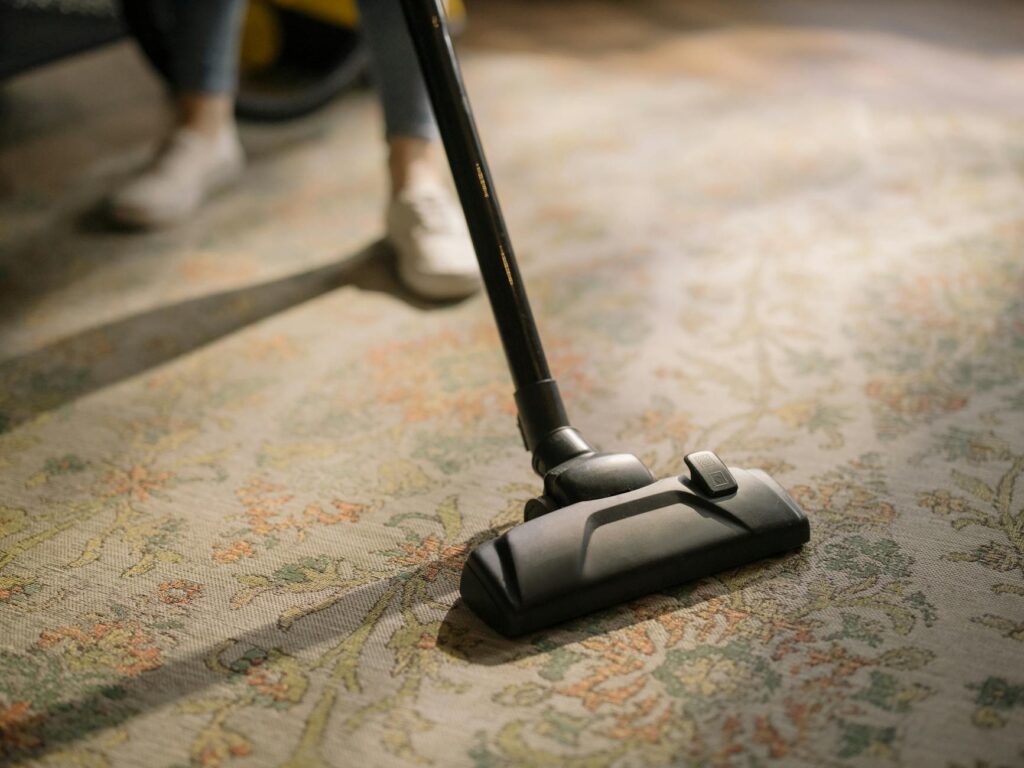
Begin by vacuuming the carpet to remove loose dirt and debris. Pay special attention to the areas near the kitchen where spills are likely to happen.
Step 4: Spot Clean Stains
For visible stains, mix a solution of one tablespoon of dish soap and two cups of warm water. Dampen a clean cloth with the solution and blot the stain. Avoid rubbing, as this can spread the stain further. Rinse with a cloth dipped in plain water and blot dry.
Step 5: Apply Baking Soda
Sprinkle a generous amount of baking soda over the affected area. Baking soda is a natural deodorizer that absorbs smells. Let it sit for at least 15-30 minutes, or overnight for tougher odors.
Step 6: Vacuum Again
After the baking soda has set, vacuum the area thoroughly to remove it and any absorbed odors.
Step 7: Use Vinegar for Heavy Odors
For persistent smells, mix equal parts of white vinegar and water in a spray bottle. Lightly mist the carpet (do not saturate) and let it air dry. The vinegar smell will dissipate, taking the other odors with it.
Step 8: Consider a Professional Cleaning
If odors persist despite your efforts, consider hiring a professional carpet cleaner. They have specialized tools and products that can penetrate deeper into the fibers.
Best Cleaning Methods
Here are some effective cleaning methods for kitchen carpet odor removal:
Common Mistakes to Avoid
When tackling carpet odors in your kitchen, be mindful of these common pitfalls:
Prevention Tips
Preventing odors from forming in your kitchen carpet is key. Here are some tips:
Frequently Asked Questions
1. How often should I clean my kitchen carpet?
Aim for a deep clean at least every six months, with regular vacuuming and spot cleaning as needed.
2. Can I use bleach on my carpet?
No, bleach can damage carpet fibers and cause discoloration. Stick to gentle cleaners.
3. Will baking soda stain my carpet?
No, baking soda is safe for most carpets. However, if your carpet is dyed or made from delicate fibers, always test first.
4. How can I tell if my carpet needs professional cleaning?
If odors persist after your cleaning efforts or if you notice stains that won’t budge, it’s time to call in professionals.
5. Are there any natural remedies for carpet odors?
Yes! Baking soda, vinegar, and essential oils (like lavender or tea tree) can help neutralize smells.
6. Can I prevent odors by using carpet protection sprays?
Yes, these sprays can help repel stains and odors but should not replace regular cleaning.
By following these guidelines, you can effectively remove odors from your kitchen carpet and maintain a fresh and inviting space. Stay tuned for Part 2, where we’ll dive deeper into advanced cleaning techniques and products!