
Carpet Mildew Mould & Damp Guide Part 2
Introduction
Mould and dampness in carpets can lead to unpleasant odors, unsightly stains, and potential damage to your flooring. In this guide, we’ll explore the causes of carpet mildew, effective cleaning methods, common mistakes to avoid, and practical prevention tips. Whether you’re dealing with a small spot or a larger issue, this guide aims to provide actionable solutions for homeowners.
What Causes Mould & Damp?
Mould thrives in warm, damp environments, making carpets an ideal breeding ground. Here are the primary causes:
- Humidity: High humidity levels, often above 60%, can lead to excess moisture in carpets.
- Leaks and Spills: Water from leaks or spills that isn’t promptly cleaned can seep into the carpet fibers.
- Poor Ventilation: Rooms lacking sufficient airflow can trap moisture, encouraging mould growth.
- Dirt and Organic Matter: Dust, dirt, and organic materials trapped in carpets can contribute to mould development.
- Environmental Conditions: Areas with high humidity or consistent rainfall are more prone to mould issues.
- Improper Cleaning: Over-wetting carpets during cleaning or not drying them thoroughly can lead to dampness.
- Temperature Fluctuations: Warm surfaces can attract moisture, especially in basements or poorly insulated areas.
- Neglected Maintenance: Failing to address water leaks or spills promptly allows mould to establish itself.
- Vacuum cleaner
- Spray bottle
- White vinegar or hydrogen peroxide
- Baking soda
- Soft-bristle brush
- Clean cloths
- Fans or dehumidifier
- Vinegar Solution: Effective against most mould types, vinegar is natural and safe for most carpets.
- Hydrogen Peroxide: A stronger alternative for stubborn mould spots, but test on a small area first.
- Commercial Mould Removers: For severe infestations, consider using a commercial product designed specifically for mould removal. Always follow the manufacturer’s instructions.
- Ignoring the Problem: Delaying action allows mould to spread, making it harder to remove.
- Over-Wetting: Excess water during cleaning can worsen the problem. Always dampen, not saturate.
- Using Bleach: While effective on some surfaces, bleach can damage carpets and may not remove mould spores effectively.
- Neglecting Ventilation: Not allowing for proper airflow during and after cleaning can lead to re-infestation.
- Control Humidity: Keep indoor humidity levels between 30-50% using dehumidifiers or air conditioners.
- Ensure Proper Ventilation: Open windows or use exhaust fans in areas prone to moisture, such as bathrooms and kitchens.
- Clean Spills Immediately: Promptly address spills to prevent moisture from soaking into the carpet.
- Regular Vacuuming: Maintain cleanliness by vacuuming at least once a week to remove dirt and organic matter.
- Use Mould-Resistant Products: When installing new carpets, consider materials treated to resist mould growth.
Why This Problem Happens
Understanding why mould and damp occur is crucial for effective prevention and cleaning. Here are some contributing factors:
How to Fix Mould & Damp (Step-by-Step)
If you’re facing a mouldy carpet, follow these steps to tackle the issue effectively:
Step 1: Gather Your Supplies
You’ll need:
Step 2: Remove Loose Debris
Start by vacuuming the affected area to eliminate any loose dirt or debris. This step prepares the surface for deeper cleaning.
Step 3: Apply Cleaning Solution
Mix equal parts white vinegar and water in a spray bottle. Alternatively, you can use hydrogen peroxide. Spray the solution directly onto the mouldy area, ensuring it’s damp but not soaked.
Step 4: Scrub the Area
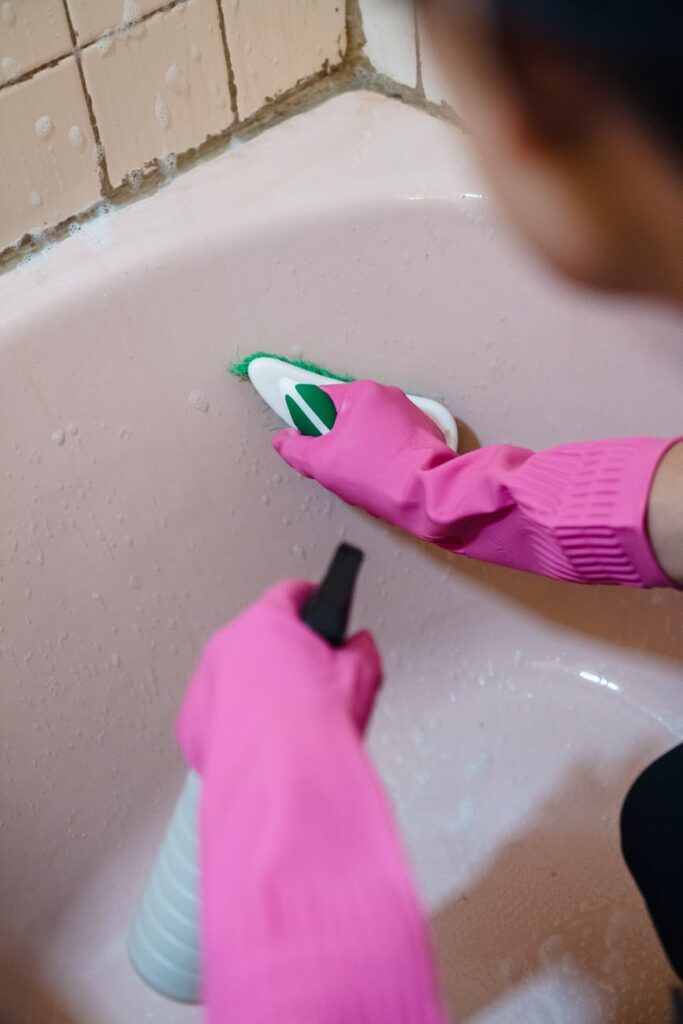
Using a soft-bristle brush, gently scrub the affected area. This helps lift the mould from the carpet fibers. Be sure to work in a circular motion to avoid damaging the carpet.
Step 5: Blot with a Cloth
Use a clean cloth to blot the area, absorbing excess moisture and mould. Repeat this process until no more mould transfers to the cloth.
Step 6: Sprinkle Baking Soda
After cleaning, sprinkle baking soda over the damp area. This helps absorb remaining moisture and neutralize odors. Let it sit for at least 15-20 minutes.
Step 7: Vacuum Again
Once the baking soda has settled, vacuum the area thoroughly to remove it and any remaining debris.
Step 8: Dry the Area
Use fans or a dehumidifier to dry the carpet completely. Ensure the room is well-ventilated to prevent future mould growth.
Best Cleaning Methods
Different situations may require different cleaning methods. Here are some effective options:
Common Mistakes to Avoid
When dealing with mould and damp, avoid these common pitfalls:
Prevention Tips
Taking proactive steps can help prevent mould and damp in your carpets:
Frequently Asked Questions
1. How can I tell if my carpet has mould?
Signs include visible stains, a musty smell, or a damp feel to the carpet. If you suspect mould, it’s best to inspect the area closely.
2. Can I use bleach to remove mould from my carpet?
It’s not recommended, as bleach can damage carpet fibers and may not effectively remove mould spores.
3. How often should I clean my carpets to prevent mould?
Aim for a deep clean every 6-12 months, but vacuum regularly to keep dirt and moisture at bay.
4. What should I do if the mould problem is severe?
If mould persists after your cleaning efforts, consult a professional mould remediation service.
5. Are there any carpet types that are more resistant to mould?
Synthetic carpets, such as nylon or polyester, tend to resist mould better than natural fibers like wool.
6. Can humidity in my home cause other problems besides mould?
Yes, high humidity can contribute to dust mites, mildew, and even structural damage to your home over time.
By following this guide, you can effectively tackle mould and damp in your carpets and maintain a cleaner, healthier home environment. Stay vigilant and proactive to keep your carpets looking their best!