
Carpet Mildew Kitchen Guide Part 2
Introduction
Mildew in your kitchen carpet can be a frustrating and unsightly problem. Not only does it create an unpleasant smell, but it can also pose potential health risks. In this guide, we’ll provide actionable steps to identify, remove, and prevent mildew from taking over your kitchen carpet.
What Causes Kitchen Mildew?
Mildew thrives in warm, damp environments, making your kitchen an ideal breeding ground. Here are the primary causes:
1. High Humidity: Kitchens often have high humidity levels, especially after cooking. Steam from boiling water and dishwashing can contribute to this.
2. Spills and Stains: Accidental spills from food, drinks, or grease can lead to mildew growth if not cleaned promptly.
3. Poor Ventilation: A lack of airflow can trap moisture in the kitchen, providing a perfect environment for mildew.
4. Soiled Carpets: Dirt and food particles can accumulate in carpets, creating a food source for mildew.
Why This Problem Happens
Mildew is a fungus that requires moisture, warmth, and organic material to grow. In kitchens, the combination of cooking activities, spills, and inadequate cleaning creates a fertile environment. When humidity levels are high and carpets are not regularly cleaned, mildew can quickly colonize.
How to Fix Kitchen Mildew (Step-by-Step)
Step 1: Assess the Damage
Check the affected area for visible mildew and smell for any musty odors. This will help you determine the extent of the problem.
Step 2: Gather Cleaning Supplies
You will need:
- White vinegar
- Baking soda
- A spray bottle
- A scrub brush or sponge
- A vacuum cleaner with a hose attachment
- Clean towels
- Mixing: After spraying the vinegar solution, sprinkle baking soda over the area. The chemical reaction between vinegar and baking soda will help lift mildew stains.
- Choose Wisely: Select a carpet cleaner that is specifically formulated to eliminate mildew. Always follow the manufacturer’s instructions.
- Deep Clean: For severe mildew infestations, consider renting a steam cleaner. The high heat can kill mildew spores and provide a thorough clean.
Step 3: Vacuum the Area
Use your vacuum cleaner to remove loose dirt and debris from the carpet. This will make the cleaning process more effective.
Step 4: Apply Vinegar Solution
1. Mix a Cleaning Solution: In a spray bottle, mix equal parts of white vinegar and water.
2. Spray the Affected Area: Generously spray the mildew-affected area of the carpet.
3. Let It Sit: Allow the solution to sit for 10-15 minutes to penetrate the mildew.
Step 5: Scrub the Area
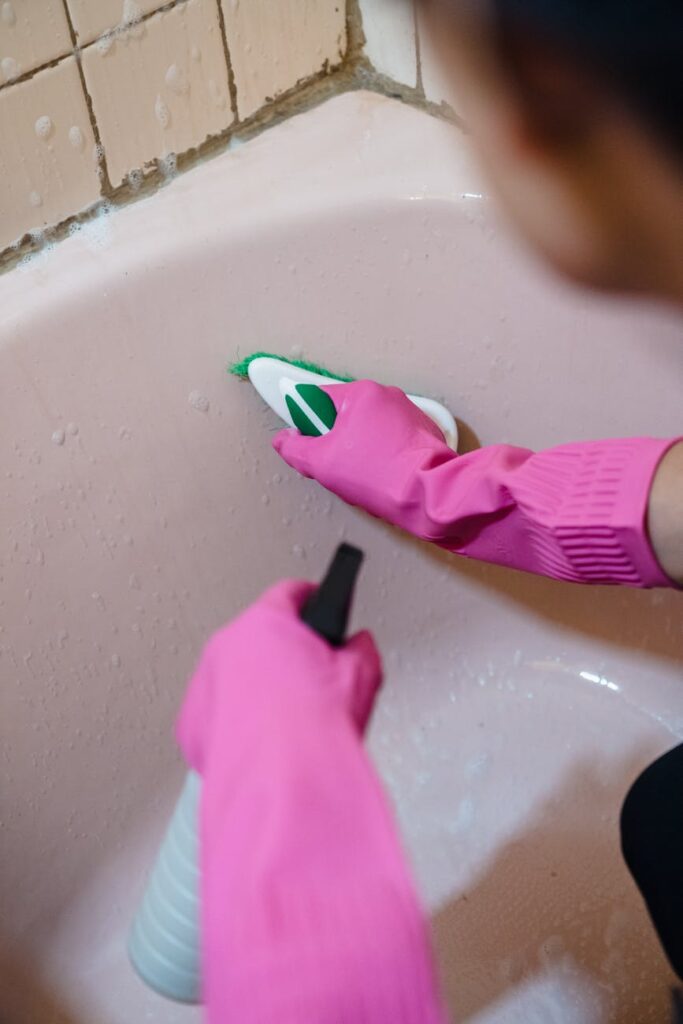
Using a scrub brush or sponge, scrub the area gently. This will help lift away the mildew and any associated stains.
Step 6: Rinse and Dry
1. Rinse: Dampen a clean towel with water and blot the area to remove any vinegar residue.
2. Dry: Use dry towels to absorb excess moisture. Ensure the area is well-ventilated to facilitate drying.
Step 7: Vacuum Again
Once the carpet is dry, vacuum the area again to fluff the fibers and remove any remaining debris.
Best Cleaning Methods
1. Vinegar and Baking Soda
2. Commercial Carpet Cleaners
3. Steam Cleaning
Common Mistakes to Avoid
1. Ignoring Humidity Levels: Failing to monitor humidity can lead to recurring mildew problems. Invest in a hygrometer to keep track.
2. Using Excessive Water: Over-saturating the carpet can lead to more mildew. Always use cleaning solutions sparingly.
3. Not Allowing Proper Drying: Neglecting to dry the carpet adequately can promote further mildew growth.
4. Using Harsh Chemicals: Avoid cleaners with strong chemicals that can damage carpet fibers or leave toxic residues.
Prevention Tips
1. Improve Ventilation: Use exhaust fans when cooking and consider opening windows to increase airflow.
2. Regular Cleaning: Vacuum and clean your carpet regularly to prevent dirt accumulation and mildew growth.
3. Address Spills Immediately: Clean up any spills as soon as they happen to avoid moisture buildup.
4. Use Dehumidifiers: If your kitchen tends to be humid, a dehumidifier can help reduce moisture in the air.
5. Choose the Right Carpet: Consider carpets made from synthetic fibers, which are more resistant to mildew compared to natural fibers.
Frequently Asked Questions
1. Can I use bleach to remove mildew from my carpet?
It’s not recommended. Bleach can damage carpet fibers and may not effectively eliminate mildew.
2. How do I know if the mildew has spread beyond the surface?
If you notice a persistent musty smell or discoloration that doesn’t go away after cleaning, the mildew may have penetrated deeper.
3. Is it safe to use essential oils for cleaning?
While some essential oils may have antifungal properties, they should not replace traditional cleaning methods. Always ensure proper dilution and test in a small area first.
4. How often should I clean my kitchen carpet?
Aim for a deep clean every 3-6 months, along with regular vacuuming and spot cleaning as needed.
5. What if the mildew returns after cleaning?
If mildew returns frequently, reassess your kitchen’s humidity levels and ventilation. You may also want to consult a professional cleaner.
6. Can I prevent mildew with a carpet protector?
While carpet protectors can help repel spills and stains, they do not prevent mildew. Regular maintenance is still essential.
By following these steps and tips, you can effectively manage and prevent carpet mildew in your kitchen, ensuring a cleaner and healthier home environment.