
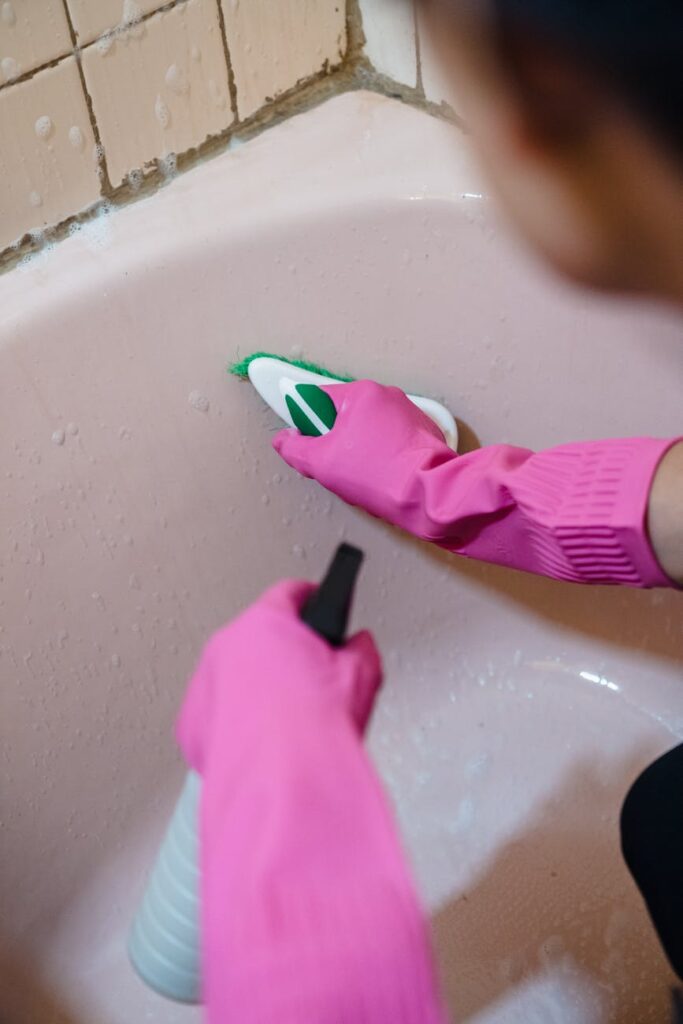
Carpet Mildew Bathroom Guide Part 2
Introduction
Mildew in your bathroom carpet can be a frustrating and unsightly problem. It thrives in damp environments, making bathrooms a prime target. Fortunately, with the right knowledge and tools, you can effectively combat this issue. In this guide, we’ll explore the causes of mildew, how to fix it, and tips to prevent it from returning.
What Causes Bathroom Mildew?
Mildew is a type of fungus that grows in warm, moist areas. In bathrooms, several factors contribute to mildew growth:
1. High Humidity: Bathrooms often have high humidity levels from hot showers and baths.
2. Poor Ventilation: Lack of airflow can trap moisture, creating an ideal environment for mildew.
3. Water Leaks: Any leaks from plumbing fixtures can introduce excess moisture.
4. Dirty Carpets: Residue from soaps, shampoos, and skin cells can provide nutrients for mildew.
Understanding these causes is the first step in effectively addressing the problem.
Why This Problem Happens
The combination of moisture, warmth, and organic material creates a perfect breeding ground for mildew. When humidity levels rise, particularly after using hot water, the moisture can settle into the fibers of your carpet. Without proper ventilation, this moisture can linger, leading to mildew growth. Additionally, neglecting to clean your bathroom regularly can exacerbate the problem, as dirt and organic matter accumulate.
How to Fix Bathroom Mildew (Step-by-Step)
If you discover mildew in your bathroom carpet, follow these steps to eliminate it:
Step 1: Gather Your Supplies
- Vacuum cleaner
- Carpet cleaner (or white vinegar)
- Baking soda
- Scrub brush or sponge
- Bucket
- Clean water
- Towels
- Option 1: Mix equal parts of white vinegar and water in a bucket.
- Option 2: Use a commercial carpet cleaner according to the manufacturer’s instructions.
Step 2: Remove Excess Moisture
Use a towel to blot up any excess moisture in the carpet. This will help reduce the humidity level and make cleaning easier.
Step 3: Vacuum the Affected Area
Thoroughly vacuum the area where mildew is present. This removes any loose debris and helps prevent the spread of spores.
Step 4: Apply Cleaning Solution
Apply the solution to the affected area, ensuring it saturates the carpet fibers.
Step 5: Scrub the Area
Using a scrub brush or sponge, gently scrub the area to lift the mildew out of the carpet. Be careful not to damage the carpet fibers.
Step 6: Rinse
Once scrubbed, rinse the area with clean water using a damp cloth. Make sure to remove all cleaning solution residue.
Step 7: Dry Thoroughly
Use towels to blot the area dry. If possible, open windows or use a fan to increase air circulation and speed up drying.
Step 8: Deodorize
Sprinkle baking soda over the dry area to absorb any lingering odors. Let it sit for several hours before vacuuming it up.
Best Cleaning Methods
While there are various methods to clean mildew from bathroom carpets, here are some of the most effective:
1. Vinegar Solution: Vinegar is a natural disinfectant that can kill mildew spores. Its acidic properties help break down mold and mildew.
2. Baking Soda: This is great for deodorizing and can also absorb moisture, making it a good pre-treatment.
3. Steam Cleaning: If the mildew problem is extensive, consider renting or using a steam cleaner. The high heat will kill mildew spores and help lift stains.
4. Commercial Carpet Cleaners: Look for products specifically designed for mold and mildew removal. Always follow the instructions for the best results.
Common Mistakes to Avoid
When tackling mildew in your bathroom carpet, avoid these common pitfalls:
1. Not Acting Quickly: The longer mildew sits, the more difficult it becomes to remove. Address issues as soon as they are noticed.
2. Using Too Much Water: Excess water can worsen the problem by promoting further mildew growth. Use cleaning solutions sparingly.
3. Skipping the Drying Process: Failing to dry the area thoroughly can lead to mildew returning. Ensure the carpet dries completely.
4. Ignoring Underlying Issues: Address any leaks or poor ventilation issues before cleaning to prevent recurrence.
5. Using Harsh Chemicals: Some strong chemicals can damage carpet fibers. Stick to gentle, effective cleaning solutions.
Prevention Tips
Preventing mildew from returning is crucial. Here are some effective strategies:
1. Ventilate: Always use an exhaust fan when showering and keep windows open to improve airflow.
2. Regular Cleaning: Clean your bathroom weekly, focusing on carpets and corners where moisture tends to accumulate.
3. Fix Leaks Promptly: Check for and repair any plumbing leaks immediately to reduce moisture levels.
4. Use Moisture-Absorbing Products: Consider using dehumidifiers or moisture absorbers in your bathroom.
5. Choose the Right Flooring: If possible, consider non-porous flooring options like tile instead of carpet in bathrooms.
Frequently Asked Questions
1. How can I tell if I have mildew or mold?
Mildew typically appears as a flat, gray or white patch, while mold can be fuzzy or slimy and comes in various colors. If you notice either, it’s important to take action.
2. Can I use bleach to remove mildew from my carpet?
While bleach can kill mildew, it can also damage carpet fibers and discolor them. It’s best to use gentler solutions like vinegar or baking soda.
3. How often should I clean my bathroom carpet?
Cleaning your bathroom carpet at least once a week is recommended to prevent mildew growth, especially in high-humidity areas.
4. What should I do if the mildew returns?
If mildew returns, revisit your cleaning method and ensure you address any underlying moisture issues, such as leaks or poor ventilation.
5. Is it safe to use a steam cleaner on my bathroom carpet?
Yes, steam cleaning is effective for killing mildew spores. Just ensure that the carpet is made of materials that can withstand high heat.
6. Can I prevent mildew without cleaning regularly?
Regular cleaning is essential for preventing mildew. However, maintaining good ventilation and fixing moisture issues can help reduce its occurrence.
By following these practical steps and tips, you can effectively manage and prevent carpet mildew in your bathroom, ensuring a clean and healthy space.