
Black Water Stains Mould & Damp Guide Part 2
Introduction
Mould and dampness are common issues in many homes and can lead to unsightly black water stains. These problems not only affect the aesthetics of your walls and ceilings but can also lead to structural damage over time. In this guide, we’ll explore the causes of mould and damp, how to effectively tackle these issues, and how to prevent them from returning.
What Causes Mould & Damp?
Mould thrives in moist environments. Common causes include:
1. Water Leaks: Leaky pipes, roofs, or windows can introduce moisture.
2. Condensation: High humidity levels can cause condensation on walls and ceilings, especially in poorly ventilated areas.
3. Poor Ventilation: Lack of airflow in spaces like bathrooms and kitchens can trap humidity.
4. Dampness from the Ground: Rising damp from the foundation can lead to moisture seeping into walls.
Understanding these causes is the first step in tackling the problem effectively.
Why This Problem Happens
Mould grows where there’s a consistent source of moisture. When water seeps into materials like drywall, wood, or carpets, it provides an ideal breeding ground for mould spores. Additionally, factors such as:
- Temperature: Warmer conditions can accelerate mould growth.
- Organic Material: Mould feeds on materials like wood, paper, and fabric.
- Inadequate Insulation: Poor insulation can cause cold spots, leading to condensation.
- Inspect Pipes: Look for leaks or drips.
- Check Roof and Windows: Ensure there are no cracks or gaps.
- Assess Ventilation: Ensure fans and vents are working properly.
- Check for Damage: Inspect walls and ceilings for signs of damage. Replace any affected materials if necessary.
- Repaint: Use anti-mould paint to prevent regrowth.
- Pros: Effective at killing mould spores.
- Cons: Can discolor surfaces and may not penetrate porous materials.
- Pros: Natural and non-toxic; effective against many types of mould.
- Cons: May require multiple applications for stubborn mould.
- Pros: Gentle abrasive that can be used for scrubbing.
- Cons: Less effective on extensive mould infestations.
By identifying the underlying issues, you can address the root cause rather than just the symptoms.
How to Fix Mould & Damp (Step-by-Step)
Step 1: Identify the Source of Moisture
Before cleaning, find and fix the source of dampness:
Step 2: Prepare the Area
1. Protect Yourself: Wear gloves, a mask, and goggles to prevent exposure to mould spores.
2. Clear the Area: Move furniture and belongings away from affected areas.
Step 3: Clean the Mould
1. Create a Cleaning Solution: Mix one cup of bleach with one gallon of water. Alternatively, you can use a commercial mould removal product.
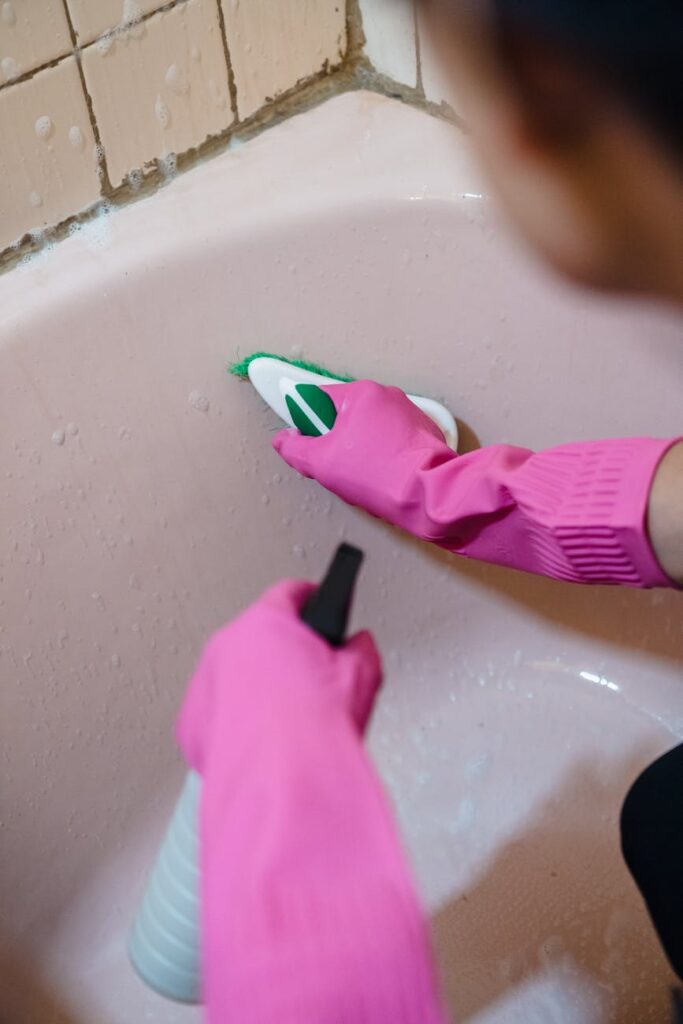
2. Scrub the Affected Area: Use a sponge or brush to apply the solution. Scrub until the mould is removed.
3. Rinse the Area: Wipe down with clean water to remove any residue.
4. Dry Thoroughly: Use fans or dehumidifiers to ensure the area is completely dry.
Step 4: Inspect and Repair
After cleaning:
Best Cleaning Methods
Bleach Solution
Vinegar
Baking Soda
Commercial Products
Many mould removers are available, specifically formulated to tackle stubborn mould stains. Always follow the manufacturer’s instructions for best results.
Common Mistakes to Avoid
1. Ignoring the Source: Failing to address the source of dampness can lead to recurring problems.
2. Using Only Water: Simply washing mould with water won’t kill it; you need a cleaning solution.
3. Neglecting Personal Safety: Always wear protective gear when cleaning mould.
4. Skipping Ventilation: Failing to ventilate the area while cleaning can exacerbate the problem.
5. Not Drying Thoroughly: Leaving surfaces damp can encourage mould to return.
Prevention Tips
1. Improve Ventilation: Use exhaust fans in kitchens and bathrooms to reduce humidity.
2. Seal Cracks: Regularly check and seal any gaps or cracks in walls and windows.
3. Use Dehumidifiers: In particularly damp areas, consider using a dehumidifier to maintain low humidity levels.
4. Insulate Pipes: Insulate pipes to prevent condensation.
5. Monitor Humidity Levels: Keep indoor humidity below 60% using hygrometers.
Frequently Asked Questions
1. How do I know if I have a mould problem?
Look for visible signs such as black water stains, a musty smell, or condensation on windows and walls.
2. Can I remove mould myself?
Yes, for small areas, homeowners can often manage mould removal using the right cleaning solutions and safety precautions.
3. What if the mould keeps coming back?
Persistent mould issues often indicate an underlying moisture problem that needs to be addressed, such as leaks or poor ventilation.
4. Is mould dangerous to health?
While this guide does not provide medical advice, prolonged exposure to mould can lead to health issues. It’s best to address mould problems promptly.
5. How can I prevent mould from growing after cleaning?
Ensure thorough drying of the area and consider using mould-resistant paints and materials.
6. When should I call a professional?
If the mould covers a large area (greater than 10 square feet), or if you suspect there’s a serious moisture issue, consult a professional.
By following this guide, you can tackle mould and damp issues effectively, ensuring a cleaner, safer home. Regular maintenance and vigilance will keep your living spaces free from unwanted mould and water stains.