
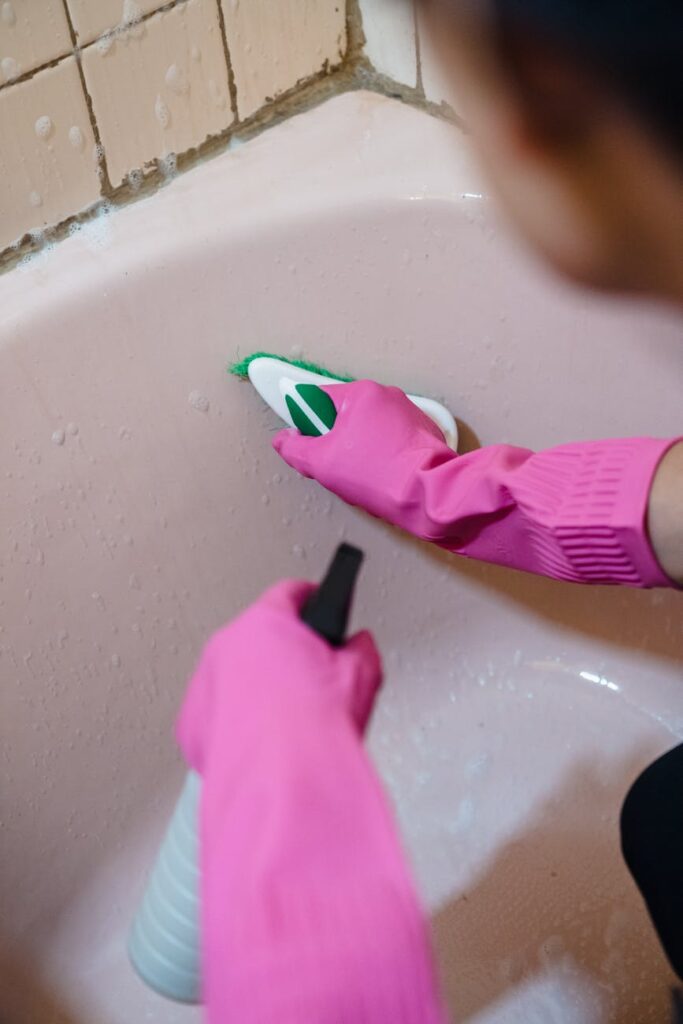
Black Water Stains Cleaning Guide Part 2
Introduction
Black water stains can be an eyesore and a persistent problem in homes, often appearing on sinks, tubs, and toilets. These stains not only diminish the appearance of your bathroom or kitchen but can also indicate deeper issues, such as plumbing leaks or poor drainage. This guide will provide you with practical solutions to effectively clean and prevent black water stains, ensuring your surfaces remain spotless and hygienic.
What Causes Black Water Stains?
Black water stains are typically caused by a combination of factors:
1. Minerals and Sediments: Hard water contains minerals like iron, which can leave dark stains on surfaces.
2. Mold and Mildew: Excess moisture can lead to the growth of mold and mildew, which can appear as black stains.
3. Soap Scum: Soap residue can trap dirt and grime, creating dark patches over time.
4. Rust: Corroded pipes can leak rust into your water supply, resulting in unsightly black or brown stains.
Understanding these causes will help you target the root of the problem rather than just the symptoms.
Why This Problem Happens
Black water stains often occur in areas with high moisture levels, such as bathrooms and kitchens. Poor ventilation can exacerbate the issue, allowing moisture to accumulate and promote mold growth. Additionally, using abrasive cleaners can damage surfaces, making them more porous and susceptible to staining.
How to Fix Black Water Stains (Step-by-Step)
Step 1: Gather Your Supplies
Before you start cleaning, collect the necessary supplies:
- Protective Gear: Gloves and a mask to protect against fumes.
- Cleaning Solutions: Choose a commercial cleaner designed for tough stains, or prepare a homemade solution (e.g., vinegar and baking soda).
- Scrubbing Tools: Soft-bristle brush, sponge, or scrub pad.
- Cloths: Microfiber or paper towels for drying and wiping.
Step 2: Test the Cleaning Solution
Before applying any cleaner, test it on a small, inconspicuous area to ensure it won’t damage the surface.
Step 3: Apply the Cleaner
For tough stains, apply the cleaner generously to the affected area. Let it sit for at least 10-15 minutes, allowing it to penetrate the stain.
Step 4: Scrub the Area
Using a soft-bristle brush or sponge, scrub the stained area in a circular motion. Avoid using harsh tools that could scratch the surface.
Step 5: Rinse and Dry
Thoroughly rinse the area with clean water to remove the cleaner and grime. Dry the surface with a cloth to prevent new stains from forming.
Step 6: Repeat if Necessary
For stubborn stains, you may need to repeat the process. Persistent stains may require multiple applications.
Best Cleaning Methods
1. Vinegar and Baking Soda
A natural and effective method. Sprinkle baking soda on the stain, then spray or pour vinegar over it. Let it fizz for a few minutes before scrubbing.
2. Commercial Cleaners
Choose a cleaner specifically formulated for hard water stains. Follow the manufacturer’s instructions for the best results.
3. Hydrogen Peroxide
This is a powerful option for mold and mildew stains. Apply it directly to the stain and let it sit for 10-15 minutes before scrubbing.
4. Lemon Juice and Borax
Create a paste with lemon juice and borax, then apply it to the stain. Let it sit for 30 minutes before scrubbing and rinsing.
Common Mistakes to Avoid
1. Using Abrasive Cleaners: Avoid scrubbers or cleaners that can scratch surfaces, leading to more staining.
2. Neglecting Regular Maintenance: Regularly clean areas prone to stains to prevent buildup.
3. Ignoring Ventilation: Poor ventilation can lead to moisture accumulation. Always ensure good airflow in damp areas.
4. Not Testing Cleaners: Always test cleaners on a small area first to avoid damage.
Prevention Tips
1. Regular Cleaning: Establish a cleaning schedule to keep surfaces free from stains.
2. Install Water Softeners: If hard water is a problem, consider installing a water softener to reduce mineral buildup.
3. Improve Ventilation: Use exhaust fans or dehumidifiers in bathrooms to reduce moisture.
4. Seal Surfaces: Apply sealants on porous surfaces to prevent staining.
Frequently Asked Questions
1. How can I tell if the stain is mold or hard water?
Mold typically appears fuzzy or patchy, while hard water stains are often smooth and chalky.
2. What’s the best time to clean black water stains?
The best time is when the stains are fresh. Regular cleaning can prevent tougher stains from forming.
3. Can I use bleach on black water stains?
Bleach can be effective for mold but may not work on hard water stains. It can also damage some surfaces, so use with caution.
4. How often should I clean areas prone to black water stains?
Aim for at least once a week in high-moisture areas, such as bathrooms and kitchens.
5. Is it safe to mix different cleaning solutions?
No, mixing cleaners can create harmful fumes. Always use one product at a time and follow manufacturer instructions.
6. Can I prevent black water stains altogether?
While you may not eliminate them completely, regular cleaning, good ventilation, and proper maintenance can significantly reduce their occurrence.
By following this guide, you can effectively tackle black water stains and maintain a clean, welcoming home. Remember that prevention is just as important as cleaning, so implement these tips to keep stains at bay.