
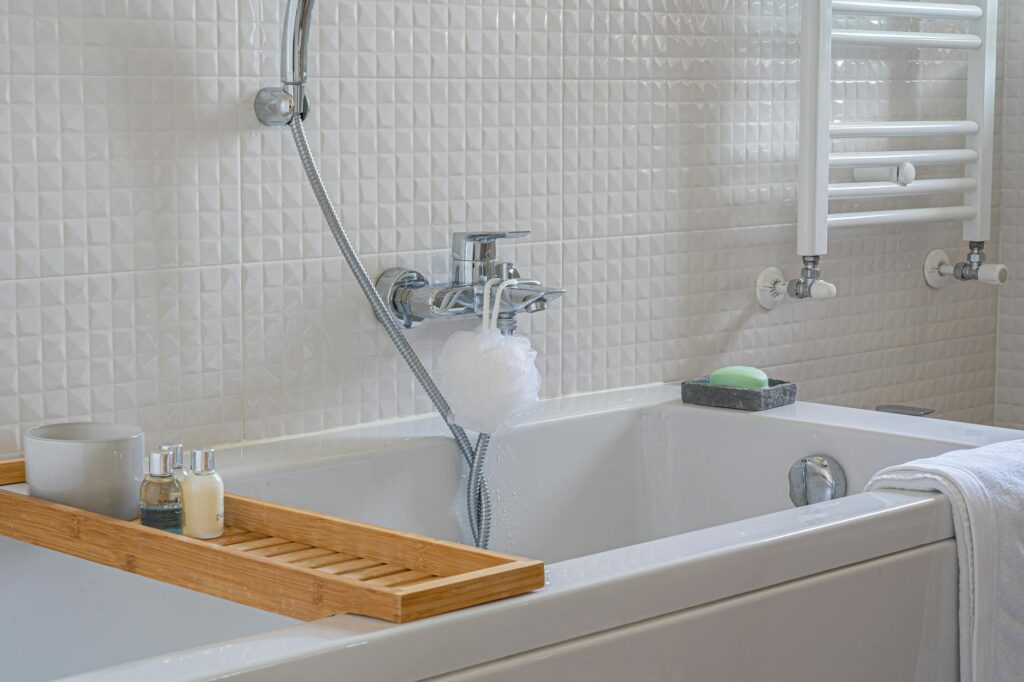
Bathtub Mildew Mould & Damp Guide Part 1
Introduction
Bathtub mildew, mould, and damp can transform your relaxing sanctuary into a breeding ground for unsightly and potentially harmful growth. This guide aims to provide practical solutions to help you tackle these issues effectively. If you’re tired of battling mildew and dampness in your bathroom, read on for actionable steps and advice.
What Causes Mould & Damp?
Mould and damp in your bathtub often stem from a combination of moisture, warmth, and lack of ventilation. Here are the primary culprits:
1. High Humidity: Bathrooms typically have high humidity levels, especially after showers or baths.
2. Poor Ventilation: Lack of proper airflow can trap moisture in the air and surfaces, creating an ideal environment for mould.
3. Leaky Fixtures: Any leaks from taps or pipes can contribute to dampness.
4. Residual Water: Water left standing in the tub or on surfaces can encourage mould growth.
5. Soap Scum and Residues: These can provide nutrients for mould to thrive.
Why This Problem Happens
Understanding the underlying reasons for mould and damp in your bathtub can help you combat it more effectively. The bathroom is often the warmest part of the home, and when combined with inadequate ventilation, it becomes a perfect breeding ground for mould. Additionally, products like soaps, shampoos, and conditioners can leave residues that feed mould spores.
How to Fix Mould & Damp (Step-by-Step)
Step 1: Gather Your Supplies
Before you start, gather the following items:
- Rubber gloves
- Face mask
- Scrub brush or sponge
- Bucket
- White vinegar
- Baking soda
- Spray bottle
- Commercial mould cleaner (optional)
- Old toothbrush
- Microfiber cloth
- Vinegar and Baking Soda: This natural combination is effective for breaking down mould and removing stains without harsh chemicals.
- Commercial Mould Cleaners: If natural methods fall short, consider using a commercial cleaner specifically designed for mould removal. Follow the manufacturer’s instructions carefully.
- Bleach Solution: For severe mould infestations, a diluted bleach solution (1 cup of bleach to 1 gallon of water) can be effective. Ensure the area is well-ventilated, and never mix bleach with ammonia.
Step 2: Prepare the Area
1. Ventilation: Open windows and doors to improve airflow.
2. Clear the Tub: Remove all items from the tub and surrounding areas.
Step 3: Apply Cleaning Solution
1. Vinegar Solution: Fill a spray bottle with equal parts white vinegar and water. Spray the affected areas generously.
2. Baking Soda Paste: For stubborn spots, mix baking soda and a little water to form a paste. Apply it to the mould spots.
Step 4: Scrub
1. Allow the vinegar solution to sit for 10-15 minutes.
2. Use the scrub brush or sponge to scrub the mouldy areas vigorously.
3. For tight spaces, use an old toothbrush to get into crevices.
Step 5: Rinse and Dry
1. Rinse the tub thoroughly with warm water to remove all cleaning residues.
2. Dry the surfaces completely with a microfiber cloth to prevent moisture retention.
Step 6: Dispose of Cleaning Waste
Dispose of any used sponges, brushes, or cleaning materials in a sealed bag to prevent spreading spores.
Best Cleaning Methods
Common Mistakes to Avoid
1. Neglecting Ventilation: Failing to ventilate the bathroom can exacerbate mould issues.
2. Using the Wrong Cleaning Products: Some cleaners can worsen mould growth or damage surfaces.
3. Not Cleaning Regularly: Infrequent cleaning allows mould spores to settle and grow.
4. Ignoring Leaks: Failing to fix leaks will lead to persistent damp issues.
5. Rushing the Process: Not allowing cleaning solutions to sit long enough can reduce their effectiveness.
Prevention Tips
1. Improve Ventilation: Install an exhaust fan and ensure it’s used during and after showers.
2. Wipe Down Surfaces: After each use, wipe down the tub and walls to remove moisture.
3. Seal Grout and Caulk: Regularly check and maintain the integrity of your grout and caulk to prevent water seepage.
4. Use Mould-Resistant Paint: Consider using mould-resistant paint in your bathroom to discourage growth.
5. Keep Items Off the Tub: Avoid leaving shampoo bottles and other items in the tub that can trap moisture.
Frequently Asked Questions
1. How often should I clean my bathtub to prevent mould?
It’s best to clean your bathtub at least once a week to prevent mould and build-up.
2. Can I use bleach to clean mould?
Yes, but use it sparingly. Dilute bleach with water and ensure proper ventilation. Never mix it with ammonia.
3. What are the signs of mould growth?
Signs include black or green spots on surfaces, a musty odor, or visible dampness.
4. Can I prevent mould by using a shower curtain?
A shower curtain can help, but make sure to choose one that is mould-resistant and dry it after use.
5. What should I do if mould keeps returning?
If mould returns consistently, check for underlying issues such as leaks or inadequate ventilation and address those problems.
6. Is mould harmful to my health?
While not all mould is harmful, some types can trigger allergies and respiratory issues. It’s best to remove it promptly.
By following these steps and tips, you can effectively manage and prevent bathtub mildew, mould, and damp issues, ensuring your bathroom remains a clean and welcoming retreat. Stay tuned for Part 2, where we will dive deeper into maintenance strategies and advanced cleaning solutions.