
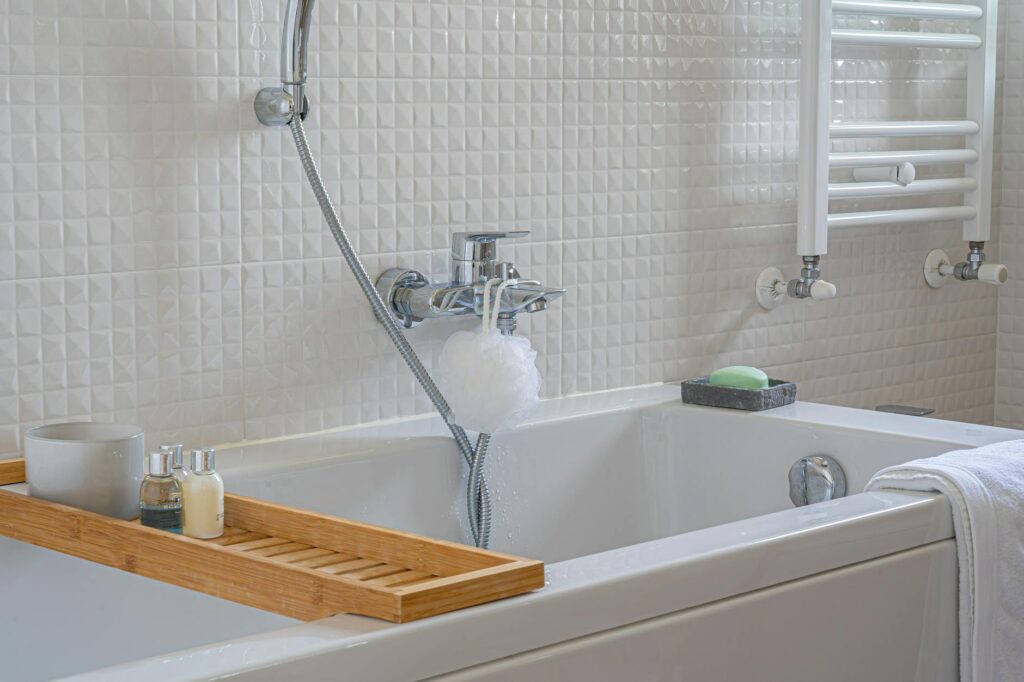
Bathtub Mildew Cleaning Guide Part 1
Introduction
Bathtub mildew is more than just an eyesore; it can lead to unpleasant odors and a less-than-inviting bathing experience. Understanding how to effectively clean and prevent mildew is essential for maintaining a fresh, relaxing space in your bathroom. This guide will walk you through the causes of bathtub mildew, how to clean it effectively, and tips for prevention.
What Causes Mildew?
Mildew is a type of mold that thrives in damp, warm environments, making your bathtub an ideal breeding ground. Here are the primary factors contributing to mildew growth:
1. High Humidity: Bathrooms often have higher humidity levels, especially after showers or baths.
2. Poor Ventilation: Lack of airflow allows moisture to linger, creating an environment where mildew can flourish.
3. Soap Scum and Residue: Leftover soap and body oils create a sticky surface that can encourage mildew growth.
4. Warm Temperatures: Warm conditions accelerate mold and mildew growth, making your bathtub a prime target.
Why This Problem Happens
Mildew occurs when spores land on a damp surface, such as the walls or floor of your bathtub. If the conditions are right—namely, warmth and moisture—the spores can quickly reproduce. This problem often worsens in poorly ventilated bathrooms where steam from hot showers hangs in the air. Over time, the mildew can spread, leading to stained surfaces and a less hygienic environment.
How to Fix Mildew (Step-by-Step)
Cleaning mildew from your bathtub can be straightforward if you follow these steps:
Step 1: Gather Your Supplies
Before you start, collect the following materials:
- Rubber gloves
- Scrub brush or sponge
- Spray bottle
- Baking soda
- White vinegar
- Dish soap
- Water
- Old toothbrush (optional for tight spots)
Step 2: Prepare the Area
1. Ventilate the Bathroom: Open windows and use an exhaust fan (if available) to reduce humidity.
2. Remove Items: Take out any bath products, mats, or decor from the bathtub area.
Step 3: Create a Cleaning Solution
1. Baking Soda Paste: Mix 1 cup of baking soda with a small amount of water to form a paste.
2. Vinegar Spray: Fill a spray bottle with equal parts white vinegar and water. This solution helps to kill mildew spores.
Step 4: Apply the Cleaning Solutions
1. Spray Vinegar: Generously spray the vinegar solution over the mildew-affected areas. Let it sit for about 10 minutes.
2. Scrub with Baking Soda: Apply the baking soda paste to the same areas, scrubbing gently with a brush or sponge. The combination of vinegar and baking soda will help lift the mildew.
Step 5: Rinse Thoroughly
After scrubbing, rinse the bathtub with warm water to remove all cleaning residues. Make sure no paste or vinegar is left behind.
Step 6: Dry the Area
Use a clean towel to dry the bathtub thoroughly. This step is crucial to prevent mildew from returning.
Best Cleaning Methods
Different cleaning methods can be effective against mildew. Here are a few of the best:
1. Vinegar and Baking Soda: As mentioned, this combo is effective and eco-friendly.
2. Hydrogen Peroxide: A 3% solution can be sprayed directly onto mildew. Let it sit for 10 minutes before scrubbing and rinsing.
3. Commercial Mildew Removers: If natural solutions fail, consider a commercial mildew remover. Always follow the manufacturer’s instructions and use in a well-ventilated area.
4. Dish Soap and Water: For light mildew, a simple mixture of dish soap and warm water can help scrub away spots.
Common Mistakes to Avoid
When tackling mildew, avoid the following pitfalls:
1. Ignoring Ventilation: Working in a damp, closed environment will only worsen the problem.
2. Using Too Much Water: Excessive water can help mildew spread. Use just enough to clean, then dry thoroughly.
3. Not Scrubbing Enough: Mildew can cling tightly, so don’t skimp on scrubbing.
4. Using Bleach: While bleach can kill mildew, it can also damage surfaces and doesn’t prevent future growth.
Prevention Tips
To keep your bathtub mildew-free, follow these simple prevention strategies:
1. Ventilate After Use: Always turn on the bathroom fan or open a window after using the tub.
2. Wipe Down Surfaces: After baths or showers, use a squeegee or towel to wipe down the tub and walls.
3. Regular Cleaning: Incorporate regular cleaning into your routine. A quick wipe-down once a week can prevent buildup.
4. Seal Grout: If your bathtub has grout, sealing it can help reduce moisture absorption and mildew growth.
Frequently Asked Questions
1. How can I tell if I have mildew or mold?
Mildew is typically lighter in color (often gray or white) and has a flat appearance, while mold can be black, green, or other colors and appears fuzzy or raised.
2. Can I use bleach to clean mildew?
While bleach can kill mildew, it may not be the best option as it can damage surfaces and doesn’t prevent future growth. Consider using vinegar or hydrogen peroxide instead.
3. How often should I clean my bathtub to prevent mildew?
Aim for a weekly cleaning routine to keep mildew at bay. Quick wipe-downs after use can also help.
4. Is it safe to use vinegar on all bathtub materials?
Vinegar is safe for most surfaces, but avoid using it on natural stone, as it can damage the finish.
5. What should I do if mildew keeps coming back?
If mildew persists, check for hidden moisture sources, like leaks or poor ventilation. You may also need to consider more frequent cleaning or a more potent commercial cleaner.
6. Can I prevent mildew with a special coating?
Yes, there are mildew-resistant coatings available for bathtubs. These can create a barrier that makes it harder for mildew to grow.
By following this guide, you’ll be well-equipped to tackle bathtub mildew and keep your bathroom looking its best. Stay tuned for Part 2, where we’ll delve deeper into advanced cleaning techniques and maintenance strategies!