
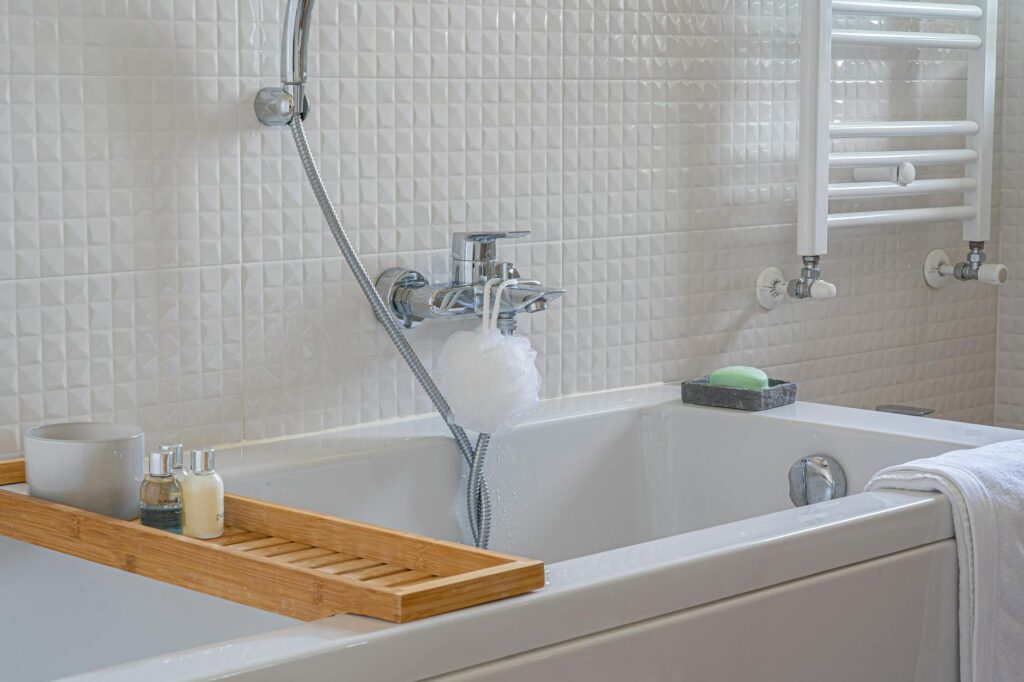
Bathtub Mildew Bathroom Guide Part 1
Introduction
Mildew in your bathtub isn’t just an eyesore; it can also lead to unpleasant odors and potential health issues. Understanding how to effectively deal with this problem is key to maintaining a clean and inviting bathroom. This guide will walk you through the causes of bathtub mildew, how to fix it, and tips to prevent it from returning.
What Causes Bathroom Mildew?
Mildew thrives in damp, warm environments. Your bathtub, often surrounded by moisture, creates the perfect breeding ground. Common factors include:
- Humidity: High humidity from showers and baths contributes significantly to mildew growth.
- Poor Ventilation: Bathrooms that lack proper airflow can trap moisture, encouraging mildew.
- Soap Scum and Organic Matter: Residue from soaps, shampoos, and body oils can serve as food for mildew spores.
- Temperature Fluctuations: Warm water and cooler bathroom air can create condensation, adding to humidity.
- Neglect: Regular cleaning is often overlooked, allowing mildew to take hold.
- Ineffective Cleaning Products: Some cleaners may not target mildew specifically, leaving behind spores to regrow.
- Inconsistent Maintenance: Irregular cleaning schedules can lead to buildup, making it harder to manage.
- Rubber gloves
- A face mask (optional for sensitive individuals)
- Cleaning brush or sponge
- Spray bottle
- White vinegar
- Baking soda
- Hydrogen peroxide (optional)
- Commercial mildew cleaner (optional)
- White Vinegar: Kills mildew spores effectively and is safe for most surfaces.
- Baking Soda: Acts as a gentle abrasive that can help scrub away mildew without scratching.
- Mildew Cleaners: Look for products specifically designed to eliminate mildew. Always follow the manufacturer’s instructions.
- Bleach Solutions: While effective, bleach can damage some surfaces and should be used with caution.
Why This Problem Happens
Mildew is a type of fungus that spreads through spores. When these spores land in moist areas—like your bathtub—they can quickly multiply. Here’s why homeowners often struggle with this issue:
Understanding these factors is crucial for a long-term solution.
How to Fix Bathroom Mildew (Step-by-Step)
If you’ve already noticed mildew in your bathtub, follow these steps for effective removal:
Step 1: Gather Your Supplies
You’ll need:
Step 2: Prepare the Area
1. Ventilation: Open windows and turn on the exhaust fan to minimize fumes and moisture.
2. Remove Items: Take out all personal items, bath mats, and towels from the tub area.
Step 3: Apply the Cleaning Solution
Vinegar Method:
1. Fill a spray bottle with white vinegar.
2. Spray the affected areas generously.
3. Let it sit for at least 30 minutes.
Baking Soda Method (for stubborn mildew):
1. After vinegar has soaked, sprinkle baking soda over the same area.
2. Use a damp sponge to scrub the mixture into the mildew.
Step 4: Scrub the Mildew
Using your brush or sponge, scrub the area thoroughly. Focus on grout lines and corners, where mildew tends to accumulate.
Step 5: Rinse and Dry
1. Rinse the bathtub with warm water.
2. Dry the area completely with a towel or let it air dry to prevent further moisture buildup.
Step 6: Disinfect (Optional)
For extra protection, spray hydrogen peroxide on the cleaned area, let it sit for 10 minutes, and rinse again.
Best Cleaning Methods
Natural Options
Commercial Products
Common Mistakes to Avoid
1. Using Too Much Water: Excess water can promote mildew growth. Always dry surfaces after cleaning.
2. Not Scrubbing Enough: Simply applying cleaner without scrubbing won’t remove mildew effectively.
3. Ignoring the Grout: Mildew often hides in the grout. Be sure to clean this area thoroughly.
4. Infrequent Cleaning: Regularly cleaning your bathtub is essential for prevention.
Prevention Tips
1. Ventilation: Always use the exhaust fan during and after showers. Open windows when possible.
2. Regular Cleaning: Clean your bathtub weekly to prevent buildup.
3. Wipe Down Surfaces: After use, wipe down the bathtub and surrounding areas to remove moisture.
4. Use a Squeegee: Keep a squeegee handy to remove excess water after showers.
5. Consider a Dehumidifier: In particularly humid climates, a dehumidifier can help reduce moisture levels.
Frequently Asked Questions
1. How often should I clean my bathtub to prevent mildew?
Aim to clean your bathtub at least once a week for best results.
2. Can I use bleach to remove mildew?
Yes, but use it cautiously. Always dilute bleach and ensure proper ventilation.
3. Is mildew the same as mold?
No, while related, mildew is a specific type of mold that often appears as a gray or white powdery substance.
4. Can I prevent mildew without chemicals?
Yes, using vinegar and baking soda can be effective natural alternatives.
5. What if mildew keeps coming back?
If mildew returns frequently, check for leaks or persistent moisture sources and address ventilation issues.
6. Is it safe to use commercial mildew removers around kids and pets?
Always read the label and ensure the area is well-ventilated when using any chemicals. Consider using natural alternatives if concerned.
By following this guide, you can effectively tackle bathtub mildew and keep your bathroom fresh and clean. Stay vigilant and proactive, and you can prevent this pesky problem from returning.