
Bathroom Tile Stains Cleaning Guide Part 2
Introduction
Bathroom tiles can quickly become a canvas for various stains, from soap scum to mildew. Regular cleaning is essential to maintain their appearance and hygiene. In this guide, we’ll delve into the common causes of tile stains, how to effectively remove them, and practical tips for prevention.
What Causes Stains?
Bathroom tile stains can arise from several sources, including:
1. Soap Scum: Residue from soaps and shampoos can build up, forming a filmy layer on tiles.
2. Hard Water Deposits: Minerals in hard water can leave unsightly spots and stains.
3. Mold and Mildew: These thrive in damp environments, often appearing as dark patches.
4. Toothpaste and Other Products: Spills from everyday use can leave stains on tiles.
5. Dirt and Grime: Everyday foot traffic can track in dirt, which can stain grout and tile over time.
Why This Problem Happens
Understanding the root causes of bathroom tile stains is crucial for effective cleaning. High humidity levels in bathrooms create an ideal environment for mold and mildew, while the use of soap and personal care products contributes to soap scum. Additionally, hard water can lead to mineral buildup that is particularly stubborn to clean.
How to Fix Tile Stains (Step-by-Step)
1. Gather Your Supplies
Before you start cleaning, gather the following items:
- Mild detergent or dish soap
- Baking soda
- White vinegar
- Spray bottle
- Soft-bristle brush or sponge
- Microfiber cloth
- Bucket
- Rubber gloves (optional)
- Mix equal parts vinegar and water in a spray bottle.
- Create a paste with baking soda and a small amount of water.
- Soap Scum: Spray the vinegar solution generously over the affected areas. Let it sit for 10-15 minutes to break down the residue.
- Hard Water Stains: Apply the baking soda paste directly to the stained areas and let it sit for about 15 minutes.
2. Prepare the Cleaning Solution
For soap scum:
For hard water stains:
3. Apply the Cleaning Solution
4. Scrub the Stains
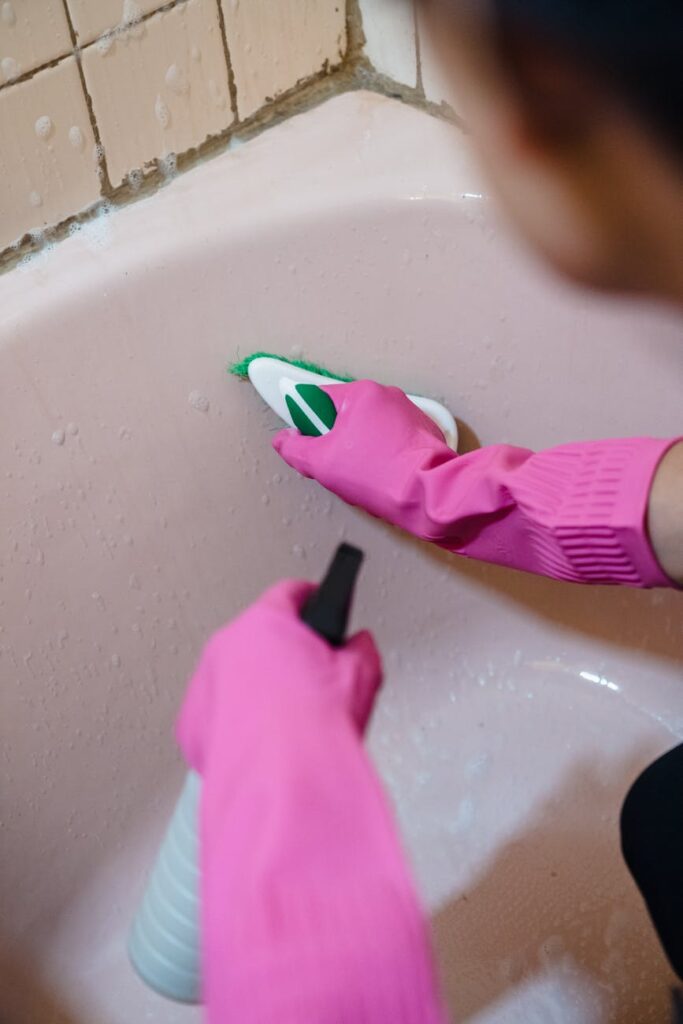
Using a soft-bristle brush or sponge, gently scrub the stained areas. For hard water stains, you may need to apply a little elbow grease to remove the buildup.
5. Rinse Thoroughly
After scrubbing, rinse the area with warm water to remove any residue from the cleaning solutions. Make sure to wipe down the tiles with a microfiber cloth for a streak-free finish.
6. Dry the Area
To prevent future stains, dry the tiles with a clean cloth or towel. This step helps eliminate moisture, reducing the likelihood of mold growth.
Best Cleaning Methods
1. Vinegar and Water Solution
This is an effective method for removing soap scum and mild stains. The acidity of vinegar helps dissolve mineral deposits.
2. Baking Soda Paste
Baking soda is a mild abrasive that can help scrub away tough stains without damaging tiles.
3. Store-Bought Cleaners
For stubborn stains, consider using a commercial tile cleaner. Always follow the manufacturer’s instructions and test any product on a small area first.
4. Hydrogen Peroxide
For mold and mildew stains, hydrogen peroxide can be effective. Spray it on the affected areas, let it sit for about 30 minutes, and then scrub and rinse.
Common Mistakes to Avoid
1. Using Abrasive Cleaners: Avoid using steel wool or harsh scrubbing pads, as they can scratch tile surfaces.
2. Neglecting Grout: Don’t forget to clean grout lines, as they can trap dirt and stains.
3. Not Rinsing Properly: Leaving cleaning solutions on tiles can lead to residue buildup, which may worsen staining.
4. Skipping Regular Maintenance: Regular cleaning helps prevent tough stains from forming in the first place.
Prevention Tips
1. Regular Cleaning: Clean tiles weekly to prevent buildup. A quick wipe-down can make a significant difference.
2. Ventilation: Use an exhaust fan or open windows to reduce humidity, which helps prevent mold growth.
3. Water Softener: If hard water is a problem, consider installing a water softener to reduce mineral deposits.
4. Seal Grout: Apply a grout sealer every 6-12 months to protect against stains and moisture.
5. Quick Spill Response: Clean up spills immediately to prevent stains from setting in.
Frequently Asked Questions
1. How often should I clean my bathroom tiles?
Aim for at least once a week. More frequent cleaning may be necessary in high-traffic bathrooms or those with heavy soap and product usage.
2. Can I use bleach on bathroom tiles?
Bleach can be effective for certain stains, particularly mold and mildew. However, it may discolor some tile surfaces, so proceed with caution and always test a small area first.
3. What’s the best way to remove mildew from grout?
A mixture of equal parts vinegar and water or a hydrogen peroxide solution can work well. Apply, let it sit, scrub, and then rinse.
4. Are there any eco-friendly options for cleaning tile stains?
Yes, vinegar, baking soda, and lemon juice are all natural cleaning agents that can effectively remove stains without harsh chemicals.
5. How do I prevent hard water stains?
Using a squeegee after showers can help prevent hard water stains by removing water and preventing mineral deposits from settling.
6. Is it safe to use vinegar on all types of tiles?
Vinegar is generally safe for ceramic and porcelain tiles but may etch natural stone tiles like marble or granite. Always check the manufacturer’s recommendations.
By following this cleaning guide, you can maintain the beauty of your bathroom tiles, making them a welcoming space in your home. Regular maintenance and the right cleaning techniques can help ensure your tiles remain stain-free and sparkling clean.