
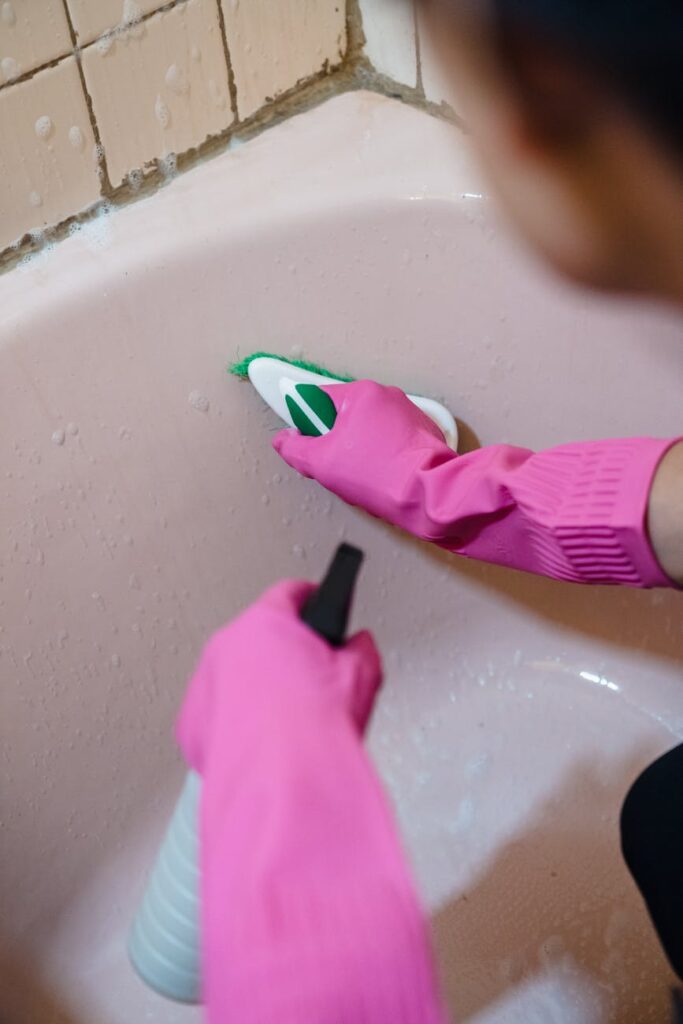
Bathroom Tile Stains Appliances Guide Part 2
Introduction
Bathroom tile stains can be a real nuisance, tarnishing the appearance of your space and making it feel less inviting. While you may have tackled some stains using traditional cleaning methods, there are specific appliances designed to help you combat these stubborn blemishes effectively. In this guide, we’ll explore how various cleaning appliances can assist you in maintaining pristine bathroom tiles, addressing what causes these stains, and providing actionable steps to keep your tiles looking their best.
What Causes Appliances?
When we talk about “appliances” in relation to bathroom tile stains, we refer to the tools and machines specifically designed to make cleaning easier and more efficient. These can range from steam cleaners to electric scrubbing brushes. Understanding the root causes of stains can help you choose the right appliance for the job.
Common causes of bathroom tile stains include:
1. Hard Water: Mineral deposits from hard water can leave unsightly stains and buildup on tiles.
2. Mold and Mildew: These thrive in humid environments and can create dark stains on grout lines and tiles.
3. Soap Scum: Residue from soaps and shampoos can accumulate over time, leading to dull and stained surfaces.
4. Food and Beverage Spills: Accidental spills can result in stains, especially if not cleaned promptly.
Why This Problem Happens
Bathroom tiles are often exposed to moisture, soap, and other substances that contribute to staining. The following factors exacerbate the problem:
- Poor Ventilation: Lack of airflow increases humidity, promoting mold and mildew growth.
- Infrequent Cleaning: Neglecting regular maintenance allows stains to set in, making them more difficult to remove.
- Inadequate Cleaning Tools: Using the wrong cleaning methods or tools can lead to ineffective cleaning and potential damage to tiles.
- Remove all items from the bathroom, including rugs, toiletries, and decorations.
- Sweep or vacuum the floor to eliminate loose dirt and debris.
- Fill the water tank according to the manufacturer’s instructions and allow it to heat up.
- Attach the appropriate brush head for your tile type.
- Apply a suitable tile cleaner to the stained areas before scrubbing.
- Steam Cleaner: Move the nozzle slowly over stained areas, allowing the steam to penetrate.
- Electric Scrubber: Turn on the scrubber and move it in circular motions over the stained tiles.
- After cleaning, wipe the tiles with a damp cloth or mop to remove any residual cleaning solution.
- Dry the surface with a towel to prevent future water spots.
- Best For: Mold, mildew, and soap scum.
- How to Use: Direct steam onto the stain, allowing it to penetrate for a few seconds before wiping.
- Best For: Tough stains and buildup.
- How to Use: Apply a cleaning solution, scrub the area, and rinse thoroughly.
- Best For: Loose dirt and debris.
- How to Use: Use a wet/dry vacuum to remove water and dirt before deep cleaning.
How to Fix Appliances (Step-by-Step)
Using appliances effectively can dramatically improve your tile cleaning efforts. Here’s a step-by-step guide to using common cleaning appliances:
Step 1: Choose Your Appliance
1. Steam Cleaner: Ideal for deep cleaning and sanitizing.
2. Electric Scrubber: Great for scrubbing away tough stains and soap scum.
3. Vacuum with a Wet/Dry Option: Useful for removing loose debris before cleaning.
Step 2: Prepare the Area
Step 3: Fill Your Appliance
For steam cleaners:
For electric scrubbers:
Step 4: Apply Cleaning Solution
If using a steam cleaner, you may not need a cleaning solution. However, if you prefer, you can add a mild detergent or vinegar solution to the tank.
For electric scrubbers:
Step 5: Clean the Tiles
Step 6: Rinse and Dry
Best Cleaning Methods
The effectiveness of your cleaning method can depend on the type of stains you’re dealing with. Here are some recommended methods using appliances:
1. Steam Cleaning
2. Electric Scrubbing
3. Vacuuming
Common Mistakes to Avoid
When using appliances for bathroom tile cleaning, it’s essential to avoid common pitfalls:
1. Using the Wrong Cleaner: Not all cleaners are suitable for all tile types. Check compatibility.
2. Overusing Appliances: Excessive scrubbing or steam can damage tiles and grout.
3. Neglecting Maintenance: Regular cleaning prevents stains from becoming stubborn.
4. Ignoring Manufacturer Instructions: Always follow the guidelines for your specific appliance to avoid damage.
5. Not Testing First: Always test a small area before applying any new cleaning method to ensure it won’t harm the surface.
Prevention Tips
Preventing stains is always easier than removing them. Here are some tips to keep your bathroom tiles looking fresh:
1. Regular Cleaning: Establish a routine cleaning schedule to prevent buildup.
2. Use a Squeegee: After showering, use a squeegee on glass and tiles to minimize water spots.
3. Improve Ventilation: Use exhaust fans or open windows to reduce humidity.
4. Seal Grout: Apply a grout sealant to protect against stains and moisture penetration.
5. Choose the Right Products: Opt for non-abrasive, pH-balanced cleaners that are safe for tiles.
Frequently Asked Questions
1. How often should I clean my bathroom tiles?
Aim for a deep clean at least once a month, with additional spot cleaning as needed.
2. Can I use bleach on my bathroom tiles?
Bleach can be effective for mildew but may damage colored grout. Always test in an inconspicuous area first.
3. Are steam cleaners safe for all tile types?
Most ceramic and porcelain tiles are safe for steam cleaning, but avoid using steam on natural stone.
4. What is the best way to clean grout stains?
An electric scrubber combined with a specialized grout cleaner can effectively remove stains.
5. How can I remove hard water stains?
Using a vinegar solution with a steam cleaner or electric scrubber can help dissolve hard water stains.
6. What should I do if my appliances don’t seem to work?
Check for clogs, ensure you’re using the correct cleaning solution, and consult your appliance manual for troubleshooting tips.
By following these guidelines, you can effectively utilize cleaning appliances to keep your bathroom tiles free from stains and looking their best. Regular maintenance and the right tools will save you time and effort in the long run, ensuring your bathroom remains a clean, welcoming space.