
Bathroom Tile Mold Laundry Guide Part 2
Introduction
Bathroom tile mold is a pervasive problem that can be both unsightly and unhealthy. This guide will focus on cleaning and preventing mold that may form in laundry areas of your bathroom, specifically on tiles and grout. Understanding the causes and effective cleaning methods will help you maintain a mold-free, fresh environment.
What Causes Laundry?
Laundry-related mold typically develops in bathrooms due to moisture and inadequate ventilation. Here are common contributors:
1. High Humidity: Bathrooms are often high in humidity due to showers and baths.
2. Poor Ventilation: Lack of airflow can trap moisture, creating an ideal environment for mold.
3. Wet Laundry: Leaving damp clothes or towels in the bathroom can accelerate mold growth.
4. Temperature Fluctuations: Warm bathroom surfaces can promote mold growth when combined with moisture.
Why This Problem Happens
Understanding why mold appears will help you prevent it from becoming a recurring issue:
- Condensation: When warm, moist air meets cooler surfaces, condensation forms, contributing to mold growth.
- Organic Material: Mold thrives on organic materials, such as soap scum or lint from laundry.
- Neglected Areas: Spots that are frequently overlooked, like grout lines or behind toilets, can harbor mold.
- Rubber gloves
- Masks (to avoid inhaling spores)
- Scrub brush or old toothbrush
- Spray bottle
- White vinegar or hydrogen peroxide
- Baking soda
- Soft cloths or sponges
- Ensure good ventilation by opening windows or using a fan.
- Remove any items from the area that might obstruct your cleaning (towels, toiletries, etc.).
- Vinegar Solution: Fill a spray bottle with equal parts white vinegar and water. Spray directly onto the moldy areas.
- Hydrogen Peroxide: Alternatively, use a 3% hydrogen peroxide solution. Spray it on the affected tiles and grout.
- Rinse the area with clean water to remove any residue from the cleaning solution.
- Use a soft cloth or sponge to dry the tiles thoroughly, as moisture can lead to mold returning.
- Skipping Safety Gear: Always wear gloves and masks to protect yourself from mold spores.
- Not Ventilating: Failing to ventilate the area can lead to further mold growth during the cleaning process.
- Using Too Much Water: Excess water can encourage mold to thrive, especially in porous surfaces.
- Ignoring Grout: Mold often hides in grout lines; neglecting this area will allow mold to return.
How to Fix Laundry (Step-by-Step)
To effectively clean mold from bathroom tiles, follow these actionable steps:
Step 1: Gather Your Supplies
Before you start, collect the following cleaning supplies:
Step 2: Prepare the Area
Step 3: Apply Cleaning Solution
Step 4: Let It Sit
Allow the solution to sit for at least 10-15 minutes. This will give it time to penetrate and kill mold spores.
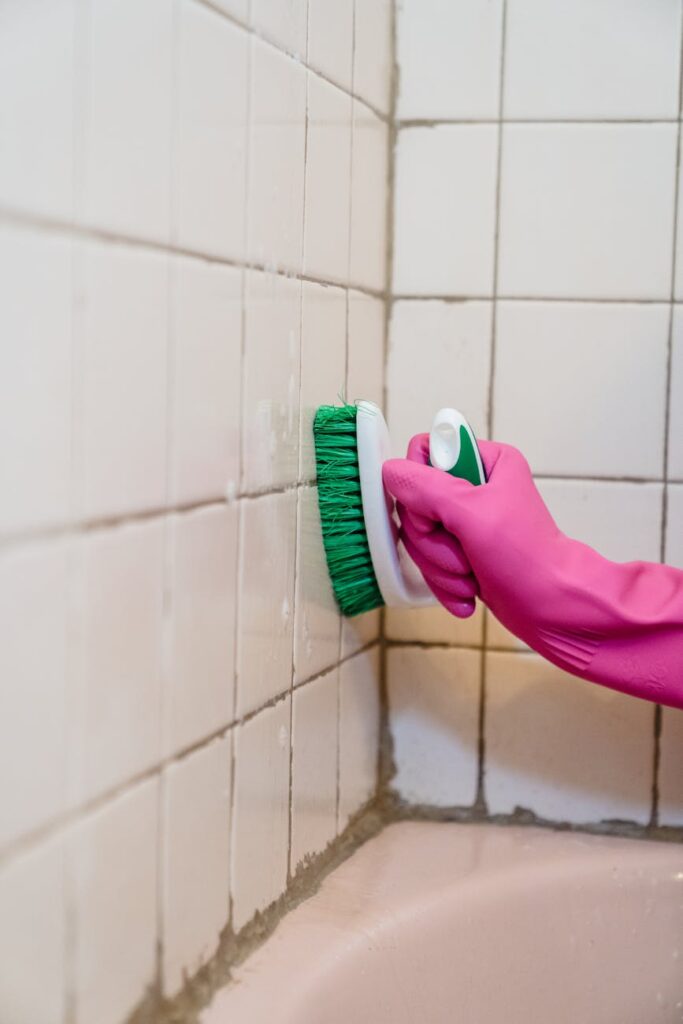
Step 5: Scrub the Mold
Using a scrub brush or an old toothbrush, scrub the moldy areas vigorously. Pay special attention to the grout lines where mold often resides.
Step 6: Rinse and Dry
Step 7: Dispose of Waste
Dispose of the cleaning materials and any mold-infested items properly to avoid reintroducing the problem.
Best Cleaning Methods
Choosing the right cleaning method can make a significant difference in mold removal:
1. White Vinegar: A natural and effective mold killer that is safe for most surfaces.
2. Baking Soda: Works well as a gentle abrasive to scrub away mold without scratching tiles.
3. Hydrogen Peroxide: A powerful disinfectant that can penetrate and kill mold spores effectively.
4. Commercial Mold Removers: If natural solutions don’t work, consider a commercial mold remover specifically designed for bathrooms.
Common Mistakes to Avoid
Avoid these common pitfalls when tackling mold:
Prevention Tips
Preventing mold from returning is as crucial as cleaning it up:
1. Improve Ventilation: Install an exhaust fan or keep windows open during and after showers.
2. Use a Dehumidifier: If humidity levels are consistently high, consider using a dehumidifier to reduce moisture.
3. Regular Cleaning: Establish a routine cleaning schedule to keep tiles and grout free from mold.
4. Dry Laundry Promptly: Avoid leaving wet clothes or towels in the bathroom; dry them as soon as possible.
5. Seal Grout: Apply a grout sealer after cleaning to create a moisture barrier.
6. Check for Leaks: Regularly inspect for plumbing leaks that may contribute to excess moisture.
Frequently Asked Questions
1. How often should I clean for mold in my bathroom?
Aim to clean your bathroom tiles at least once a month to prevent mold buildup.
2. Can mold return after cleaning?
Yes, if the underlying moisture issues are not addressed, mold can return. Regular maintenance and prevention are key.
3. Is bleach effective against mold?
While bleach can kill mold, it does not prevent mold from returning. It’s better to use vinegar or hydrogen peroxide for mold removal.
4. What should I do if mold keeps coming back?
If mold persists, consider consulting a professional to evaluate potential structural or ventilation issues.
5. Can I use a steam cleaner on tile and grout?
Yes, steam cleaners can be effective for disinfecting tiles and grout without the need for chemicals.
6. How can I tell if mold is behind my tiles?
Signs of mold behind tiles may include discoloration, a musty odor, or visible damage to the tiles or grout. If you suspect mold behind walls, consult a professional for further evaluation.
By following these practical steps and preventive measures, you can keep your bathroom tile mold-free and maintain a cleaner, healthier environment.