
Bathroom Tile Mold Kitchen Guide Part 1
Introduction
Mold on bathroom tiles is a persistent problem that can be both unsightly and harmful. While the bathroom is often the primary concern, kitchens can also fall victim to mold growth, especially in areas with high humidity and moisture. This guide will provide you with clear, actionable steps to tackle kitchen mold effectively, ensuring your space is clean and safe.
What Causes Kitchen Mold?
Mold thrives in damp, dark environments, which makes kitchens a prime target. Several factors contribute to mold growth in this area:
1. Moisture: Leaks from pipes, condensation, and splashes from the sink can create the perfect breeding ground for mold.
2. Poor Ventilation: Kitchens that aren’t well-ventilated trap humidity, encouraging mold development.
3. Food Residue: Spills and crumbs can attract moisture and provide nutrients for mold.
4. Temperature Fluctuations: Warm, humid conditions can create a favorable environment for mold growth.
Why This Problem Happens
Understanding why mold develops in the kitchen will help you prevent it in the future. Moisture sources are often overlooked. For example, a leaking faucet or a damp sponge left on a countertop can contribute significantly to humidity levels. Additionally, kitchens are often busy areas with little time for thorough cleaning, allowing small mold spores to take hold and spread.
How to Fix Kitchen Mold (Step-by-Step)
If you discover mold in your kitchen, don’t panic. Follow these steps to remove it effectively:
Step 1: Gather Supplies
- Rubber gloves
- Mask (to avoid inhaling spores)
- Scrub brush or sponge
- Bucket
- Cleaning solution (vinegar, baking soda, or a commercial mold remover)
- Rags or paper towels
- Spray bottle
- Grout between tiles
- Caulk around sinks and countertops
- Behind appliances
- Underneath cabinets
- Vinegar Spray: Fill a spray bottle with white vinegar. This is a natural mold killer.
- Baking Soda Paste: Mix equal parts of baking soda and water to form a paste for scrubbing tough spots.
Step 2: Identify the Affected Areas
Inspect the kitchen thoroughly. Common places where mold may develop include:
Step 3: Prepare the Cleaning Solution
Step 4: Apply the Solution
Spray or apply your cleaning solution to the affected areas. Let it sit for at least 10 minutes to penetrate and kill mold spores.
Step 5: Scrub the Area
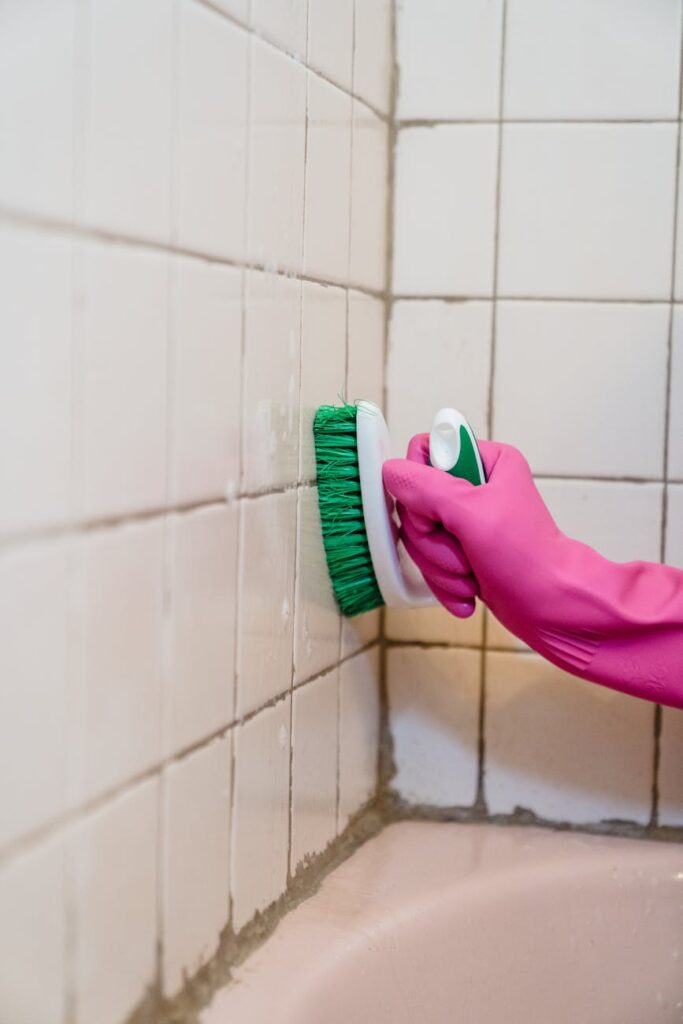
Using a scrub brush or sponge, scrub the moldy areas thoroughly. For stubborn mold, apply more cleaning solution and let it sit longer before scrubbing again.
Step 6: Rinse and Dry
Wipe the area with a damp rag or paper towel to remove the cleaning solution and mold residue. Ensure the surface is thoroughly dried to prevent future growth.
Step 7: Dispose of Contaminated Materials
Dispose of any sponges or rags used in the cleaning process to avoid spreading spores.
Best Cleaning Methods
There are a variety of effective cleaning methods to combat kitchen mold:
1. Vinegar: Its acidity helps kill mold and prevent it from returning. It’s safe and non-toxic, making it ideal for kitchens.
2. Baking Soda: This is a mild abrasive that can scrub away mold while also deodorizing.
3. Hydrogen Peroxide: This is effective for tougher mold stains. Use a 3% solution, spray it on the mold, let it sit for 10 minutes, and then scrub.
4. Commercial Mold Removers: If natural solutions aren’t effective, consider using a commercial mold remover. Always follow the manufacturer’s instructions.
Common Mistakes to Avoid
When dealing with kitchen mold, avoid these common pitfalls:
1. Ignoring Humidity: Don’t overlook the role of humidity. Invest in a dehumidifier if necessary.
2. Using the Wrong Products: Avoid bleach on porous surfaces like grout, as it can cause further damage and is not effective against mold roots.
3. Not Ventilating Properly: Ensure your kitchen is well-ventilated during and after cleaning to help dry out any remaining moisture.
4. Skipping Regular Cleaning: Regular cleaning is essential. Mold can return quickly if you don’t maintain your kitchen.
Prevention Tips
Preventing mold growth in your kitchen is easier than dealing with it once it appears. Here are some effective prevention strategies:
1. Keep Surfaces Dry: Wipe up spills immediately and avoid leaving damp cloths or sponges out.
2. Improve Ventilation: Use an exhaust fan while cooking and open windows to allow moisture to escape.
3. Seal Grout and Caulk: Regularly check and reseal grout lines and caulk around sinks and countertops to prevent moisture infiltration.
4. Regular Inspections: Check under sinks and behind appliances for leaks or signs of moisture.
5. Use Mold-Resistant Products: Consider using mold-resistant paint and caulk in your kitchen renovations.
Frequently Asked Questions
1. How often should I check for mold in my kitchen?
Inspect your kitchen monthly for signs of mold, especially after heavy cooking or cleaning.
2. Is mold on grout harmful?
While mold itself is not typically harmful, it can trigger allergies and respiratory issues in some individuals.
3. Can I use bleach to clean mold in my kitchen?
Bleach is not recommended for porous surfaces like grout, as it can damage the material and only removes surface mold.
4. What should I do if mold keeps coming back?
If mold returns frequently, assess your kitchen for moisture sources and improve ventilation. It may also be beneficial to consult a professional.
5. How can I tell if the mold is gone?
Check the area after cleaning. If it appears clean and there’s no musty smell, it’s likely gone. Regular inspections will help you confirm this.
6. Should I wear a mask while cleaning mold?
Yes, wearing a mask is advisable to avoid inhaling mold spores during the cleaning process.
By following these guidelines, you can effectively tackle kitchen mold and maintain a clean, healthy space. Remember, consistent cleaning and preventive measures are your best defenses against mold growth.