
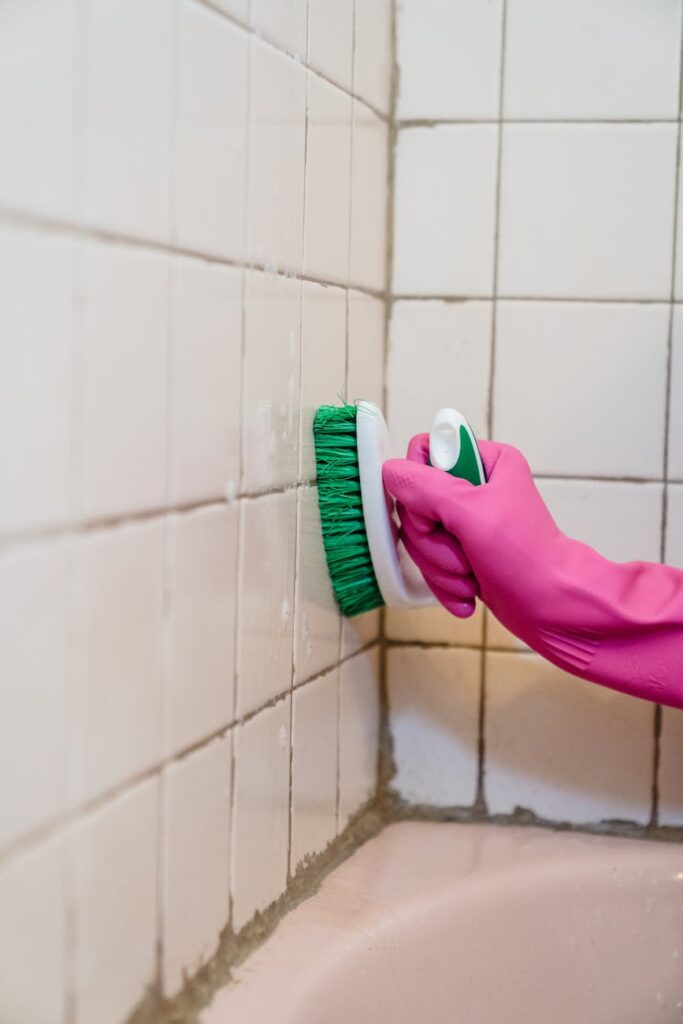
Bathroom Tile Mold: Bathroom Guide Part 1
Introduction
Bathroom tile mold is a common issue that not only affects the aesthetics of your bathroom but can also contribute to unpleasant odors and health concerns. Keeping your tiles mold-free is essential for maintaining a clean and inviting space. This guide will walk you through the causes of bathroom mold, effective cleaning methods, and prevention tips to keep your bathroom fresh.
What Causes Bathroom Mold?
Mold thrives in damp environments, making bathrooms a prime target. Here are the primary causes:
1. High Humidity: Showers and baths create steam, raising humidity levels that encourage mold growth.
2. Poor Ventilation: Bathrooms without proper airflow trap moisture, leading to mold.
3. Leaky Pipes: Water leaks can create damp spots that facilitate mold growth.
4. Infrequent Cleaning: Neglecting regular cleaning allows mold spores to settle and multiply.
5. Grout Deterioration: Worn or cracked grout can harbor moisture and mold.
Why This Problem Happens
Understanding why mold appears is crucial for effective prevention and removal. Here are the main reasons:
- Condensation: Warm, moist air rises and condenses on cooler surfaces, including tiles and grout.
- Lack of Light: Mold prefers dark places, making the corners of your bathroom particularly vulnerable.
- Organic Material: Mold feeds on organic matter, such as soap scum and hair, commonly found in bathrooms.
- Rubber gloves
- A mask (to avoid inhaling spores)
- Scrub brush or sponge
- Bucket
- Spray bottle
- Cleaning solution (bleach, vinegar, or a commercial mold remover)
- Water
- Old toothbrush (for grout lines)
- Ensure the bathroom is well-ventilated by opening windows or using an exhaust fan.
- Remove any personal items from the area to prevent damage.
- For a bleach solution, mix one part bleach with three parts water in a spray bottle.
- If using vinegar, pour it directly into the spray bottle.
- Spray the affected areas generously and let it sit for 10-15 minutes.
- Use a scrub brush or sponge to scrub the tiles thoroughly.
- For grout lines, an old toothbrush can effectively reach into crevices.
- Rinse the tiles with clean water to remove any remaining cleaning solution.
- Wipe down the tiles with a dry cloth to eliminate moisture.
- Check for any remaining mold spots and repeat the cleaning process as necessary.
- Effective against most mold types, but use cautiously. Always wear gloves and a mask.
- A natural alternative that kills about 80% of mold species. It’s non-toxic and safe for regular use.
- Mix baking soda with water to form a paste. Apply it to moldy areas, scrub, and rinse.
- Use a 3% hydrogen peroxide solution. Spray it on the moldy area, let it sit, scrub, and rinse.
- Ignoring Ventilation: Skipping ventilation can allow mold to return quickly.
- Using Too Much Water: Excessive moisture during cleaning can worsen the issue.
- Neglecting Grout: Focusing only on tiles and ignoring grout can lead to persistent mold.
- Not Wearing Protective Gear: Failing to wear gloves and a mask can expose you to mold spores.
- Using the Wrong Cleaner: Some cleaners can exacerbate mold growth; always choose wisely.
How to Fix Bathroom Mold (Step-by-Step)
Removing mold from bathroom tiles requires a systematic approach. Follow these steps:
Step 1: Gather Your Supplies
You will need:
Step 2: Prepare the Area
Step 3: Apply the Cleaning Solution
Step 4: Scrub the Tiles
Step 5: Rinse and Dry
Step 6: Inspect and Repeat
Best Cleaning Methods
Different methods can effectively remove mold from bathroom tiles. Here are some top options:
1. Bleach Solution
2. White Vinegar
3. Baking Soda Paste
4. Hydrogen Peroxide
Common Mistakes to Avoid
When dealing with bathroom mold, avoid these pitfalls:
Prevention Tips
Preventing mold is easier than removing it. Here are some practical tips:
1. Improve Ventilation: Install an exhaust fan or open windows during and after showers.
2. Regular Cleaning: Clean your bathroom tiles and grout weekly to remove moisture and organic matter.
3. Fix Leaks Promptly: Address any plumbing issues immediately to minimize dampness.
4. Use Mold-Resistant Products: Invest in mold-resistant caulk and paint for added protection.
5. Wipe Down Surfaces: After showers, use a squeegee or towel to remove excess water from tiles.
Frequently Asked Questions
1. How often should I clean my bathroom to prevent mold?
Aim for weekly cleaning to remove moisture and organic material that can promote mold growth.
2. Can I use bleach on colored tiles?
Bleach can discolor colored tiles, so test on a small area first or use a safer alternative like vinegar.
3. What if mold keeps coming back?
If mold returns frequently, inspect for hidden leaks, inadequate ventilation, or poor cleaning habits.
4. Are there any natural mold removers?
Yes, vinegar and baking soda are effective natural cleaners that can help eliminate mold.
5. Can I prevent mold with essential oils?
Some essential oils, like tea tree oil, have antifungal properties. Adding a few drops to your cleaning solution can help.
6. Is mold on bathroom tiles dangerous?
While not all molds are harmful, some can cause allergic reactions or respiratory issues. It’s best to remove it promptly.
By following these guidelines, you can effectively tackle bathroom tile mold and create a cleaner, healthier environment in your home. Stay vigilant, and your bathroom can remain mold-free for the long haul.