
Bathroom Odor Removal Mould & Damp Guide Part 1
Introduction
Mould and dampness in bathrooms are common issues that can lead to unpleasant odors and health concerns. This guide aims to help you understand the causes of mould and damp, why it occurs, and practical steps to remove it effectively. By the end, you will have the tools you need to maintain a clean and fresh-smelling bathroom.
What Causes Mould & Damp?
Mould thrives in environments that are warm and humid, making bathrooms the perfect breeding ground. Here are the primary causes:
1. High Humidity Levels: Showers and baths increase humidity.
2. Poor Ventilation: Inadequate airflow traps moisture.
3. Water Leaks: Leaky pipes can create damp areas.
4. Condensation: Cold surfaces can cause moisture to form.
5. Lack of Regular Cleaning: Dirt and grime can trap moisture.
Understanding these causes is the first step toward effective mould and damp removal.
Why This Problem Happens
The bathroom is a unique environment that can easily foster mould growth. Factors contributing to mould and damp include:
- Steam from Showers: Hot water creates steam, leading to condensation.
- Inadequate Airflow: Lack of windows or fans means moisture lingers.
- Clutter: Items like towels or toiletries can absorb moisture and prevent airflow.
- Temperature Fluctuations: Rapid changes in temperature can create condensation on surfaces.
- Dark spots on walls or ceilings
- A musty smell
- Peeling paint or wallpaper
- Rubber gloves
- Protective mask
- Bucket
- Scrub brush
- Spray bottles
- Cleaning solutions (vinegar, bleach, or commercial mould removers)
- Microfiber cloths
- Ventilate: Open windows and doors to allow fresh air in.
- Remove Items: Take out towels, toiletries, and other items from the bathroom.
- Vinegar: Natural and effective against mould; safe for most surfaces.
- Bleach: Powerful but should be used with caution; not suitable for porous materials.
- Commercial Mould Removers: Follow the manufacturer’s instructions for best results.
Being aware of these factors helps you target the root causes.
How to Fix Mould & Damp (Step-by-Step)
Step 1: Assess the Damage
Before you begin cleaning, identify the extent of the mould and dampness. Look for:
Step 2: Gather Your Supplies
For effective cleaning, you will need:
Step 3: Prepare the Area
Step 4: Clean the Mould
Method 1: Vinegar Solution
1. Fill a spray bottle with white vinegar.
2. Spray directly onto the mouldy area.
3. Let it sit for at least an hour.
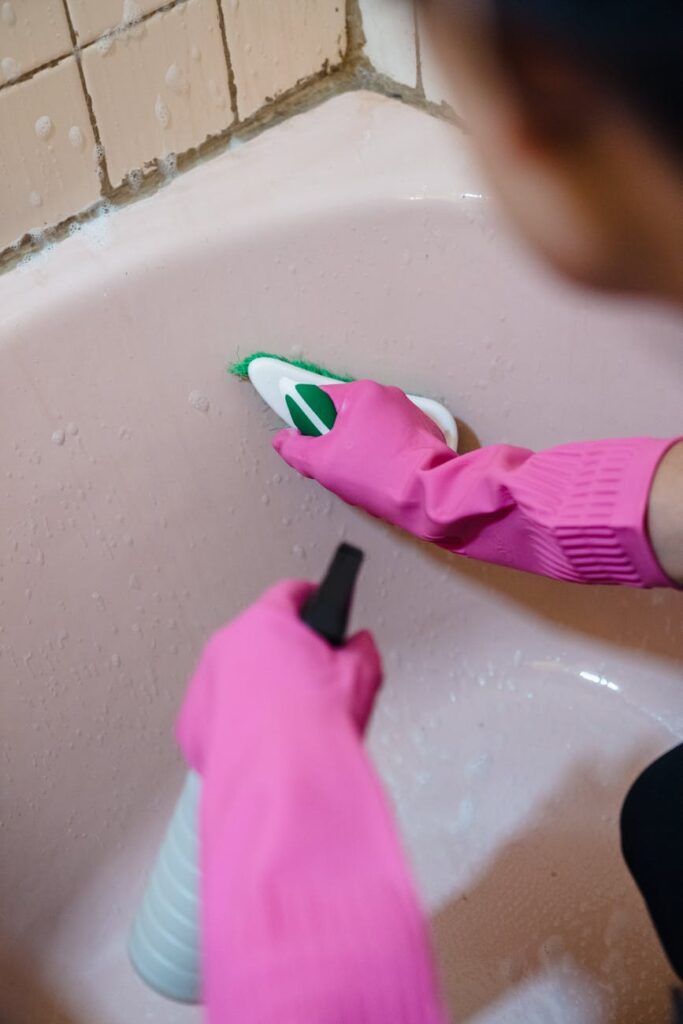
4. Scrub with a brush and rinse with water.
Method 2: Bleach Solution
1. Mix one cup of bleach with a gallon of water.
2. Apply the solution to the affected area.
3. Allow it to sit for 10-15 minutes.
4. Scrub and rinse thoroughly.
Step 5: Dry the Area
After cleaning, dry the area completely using a microfiber cloth. Pay special attention to corners and hidden spots.
Step 6: Reassess
Check the area after a few days to ensure mould does not return. If you notice any signs of mould, repeat the cleaning process.
Best Cleaning Methods
Common Mistakes to Avoid
1. Ignoring Ventilation: Always ensure proper airflow while cleaning.
2. Rushing the Process: Allow cleaning solutions to sit for the recommended time.
3. Using the Wrong Tools: Use non-abrasive brushes to protect surfaces.
4. Not Wearing Protective Gear: Always wear gloves and masks to avoid exposure.
Prevention Tips
1. Increase Ventilation: Install an exhaust fan or keep windows open.
2. Use Dehumidifiers: Consider using a dehumidifier in particularly damp areas.
3. Regular Cleaning: Clean surfaces weekly to prevent mould buildup.
4. Keep Surfaces Dry: Wipe down walls and mirrors after use.
5. Seal Grout and Caulk: Regularly check and maintain seals to prevent moisture intrusion.
Frequently Asked Questions
1. How can I tell if my bathroom has mould?
Look for dark spots, a musty smell, or peeling paint. If you notice any of these signs, you likely have mould.
2. Is vinegar effective against mould?
Yes, vinegar is a natural disinfectant and can effectively kill most types of mould.
3. Can I use bleach on all surfaces?
No, bleach is not suitable for porous surfaces like wood or drywall. Always check manufacturer guidelines.
4. How often should I clean my bathroom to prevent mould?
Aim for a weekly cleaning routine to keep mould at bay.
5. What should I do if mould keeps returning?
If mould keeps reappearing, check for hidden leaks or inadequate ventilation and address these issues.
6. Is it safe to use commercial mould removers?
Yes, as long as you follow the instructions and take necessary precautions like wearing gloves and masks.
By following this guide, you can effectively tackle mould and dampness in your bathroom, ensuring a fresh and healthy environment. Stay tuned for Part 2, where we’ll delve deeper into advanced prevention techniques and solutions.