
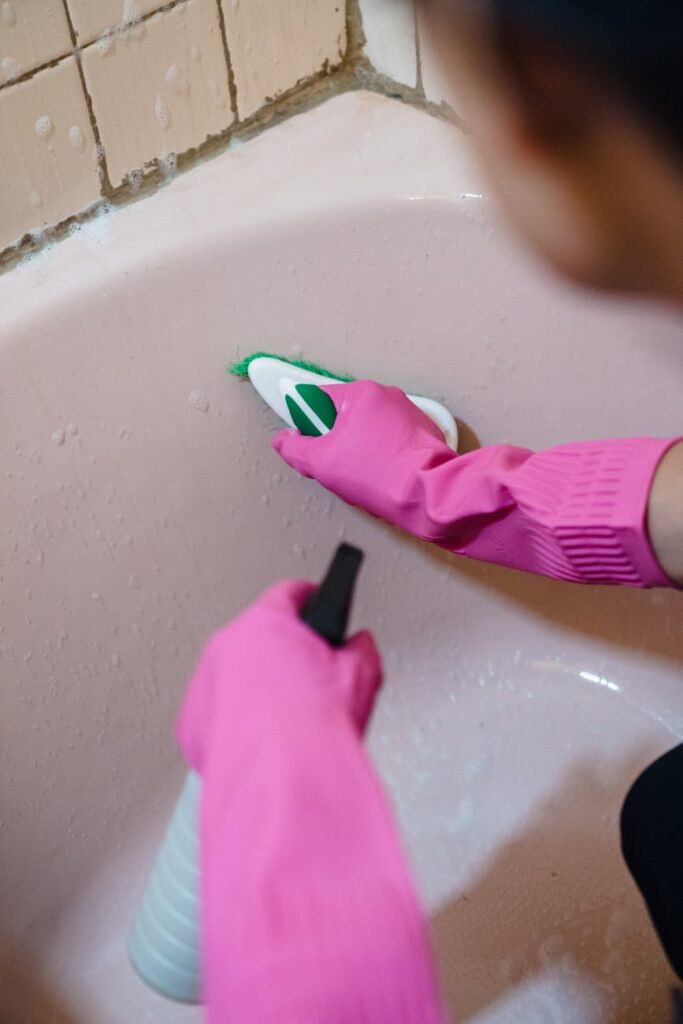
Bathroom Odor Removal Kitchen Guide Part 2
Introduction
Bathroom odors can often seep into nearby spaces, including the kitchen. This can create an unpleasant environment, particularly when you’re trying to cook or entertain. In this guide, we’ll explore the common causes of kitchen odors related to bathrooms, how to effectively tackle these smells, and tips to prevent them from returning.
What Causes Kitchen Odor?
1. Poor Ventilation: Kitchens that lack proper airflow can trap odors, allowing them to linger.
2. Drains and Sinks: Food particles and grease can build up in kitchen sinks and drains, causing foul smells.
3. Shared Walls: If your kitchen shares a wall with the bathroom, odors can easily transfer through cracks or openings.
4. Trash Bins: Leftover food and waste in the trash can contribute to a stinky kitchen.
5. Appliance Issues: Refrigerators, dishwashers, and garbage disposals can harbor odors if not cleaned regularly.
Why This Problem Happens
The main reason kitchen odors can be traced back to bathrooms is due to shared plumbing systems and ventilation. When drains are not regularly cleaned, bacteria and mold can thrive, causing unpleasant smells. Additionally, any leaks or moisture accumulation can worsen the problem, creating a breeding ground for odors.
Understanding these causes helps you identify solutions effectively, making it easier to tackle the issue head-on.
How to Fix Kitchen Odor (Step-by-Step)
Step 1: Identify the Source
- Check Drains: Start by checking your kitchen sink and any other drains for standing water or buildup.
- Inspect Trash Bins: Empty and clean your trash can to eliminate any lingering odors.
- Examine Appliances: Look inside your refrigerator and dishwasher for spoiled food or debris.
- Natural Cleaners: Use a combination of vinegar, baking soda, and lemon juice for a chemical-free approach.
- Commercial Cleaners: Select enzymatic cleaners designed for kitchens to break down organic matter effectively.
- Essential Oils: Add a few drops of essential oils like lemon or tea tree to your cleaning solutions for a pleasant scent.
Step 2: Clean the Drains
1. Baking Soda and Vinegar: Pour half a cup of baking soda followed by half a cup of vinegar down the drain. Let it sit for 15 minutes, then flush with hot water.
2. Boiling Water: Pour boiling water down the drain to help dissolve grease.
3. Use a Drain Snake: If buildup persists, use a drain snake to remove clogs and debris.
Step 3: Clean the Trash Can
1. Empty the Bin: Remove all trash and wash the bin with hot, soapy water.
2. Use Baking Soda: Sprinkle a layer of baking soda at the bottom of the clean trash can to absorb odors.
3. Replace Liner: Ensure you use a fresh liner to prevent further odor buildup.
Step 4: Clean Appliances
1. Refrigerator: Clean shelves with a mixture of water and vinegar. Remove expired items and wipe down the interior.
2. Dishwasher: Run a cycle with a cup of vinegar placed in a bowl on the top rack to eliminate odors.
3. Garbage Disposal: Grind ice cubes and citrus peels to clean and freshen the disposal.
Step 5: Improve Ventilation
1. Open Windows: Allow fresh air to circulate by opening windows when cooking.
2. Use Exhaust Fans: Turn on kitchen exhaust fans while cooking to help remove odors.
3. Install Air Purifiers: Consider using an air purifier with a HEPA filter in your kitchen.
Best Cleaning Methods
Common Mistakes to Avoid
1. Ignoring Regular Cleaning: Don’t wait for odors to become overwhelming before cleaning. Regular maintenance is key.
2. Using Harsh Chemicals: Avoid harsh chemical cleaners that can leave lingering scents and may not effectively eliminate the source of odors.
3. Overlooking Hidden Areas: Remember to clean behind and under appliances where food debris can accumulate.
4. Neglecting the Garbage Disposal: Many people forget to clean their garbage disposals regularly, allowing odors to build up.
Prevention Tips
1. Regular Cleaning Schedule: Establish a routine for cleaning your kitchen, including drains, trash cans, and appliances.
2. Use Airtight Containers: Store food in airtight containers to prevent odors from escaping.
3. Maintain Plumbing: Regularly check for leaks and blockages in both the kitchen and bathroom plumbing systems.
4. Ventilation: Ensure your kitchen is well-ventilated to reduce the chance of odors lingering.
5. Fresh Herbs: Consider growing fresh herbs in your kitchen to naturally scent the space.
Frequently Asked Questions
1. How often should I clean my kitchen drains?
It’s best to clean your drains at least once a month to prevent odor buildup.
2. Can I use bleach to clean my kitchen?
While bleach can disinfect, it may not effectively eliminate odors and can leave a strong scent behind. Opt for natural cleaners whenever possible.
3. What if the odor persists after cleaning?
If odors continue, consider checking for hidden leaks or calling a professional plumber to inspect your plumbing system.
4. Are there any natural odor absorbers I can use?
Yes, baking soda, activated charcoal, and coffee grounds are excellent natural odor absorbers.
5. How can I keep my trash can smelling fresh?
Use baking soda at the bottom of the can, and regularly wash it with soap and water.
6. Is an air purifier effective for kitchen odors?
Yes, an air purifier can help reduce kitchen odors, especially models equipped with HEPA filters.
Conclusion
By understanding the common causes of kitchen odors related to bathrooms and following these practical steps, you can effectively tackle and prevent unpleasant smells in your kitchen. Regular maintenance and cleaning will keep your kitchen fresh and inviting, ensuring a pleasant cooking and dining experience.