
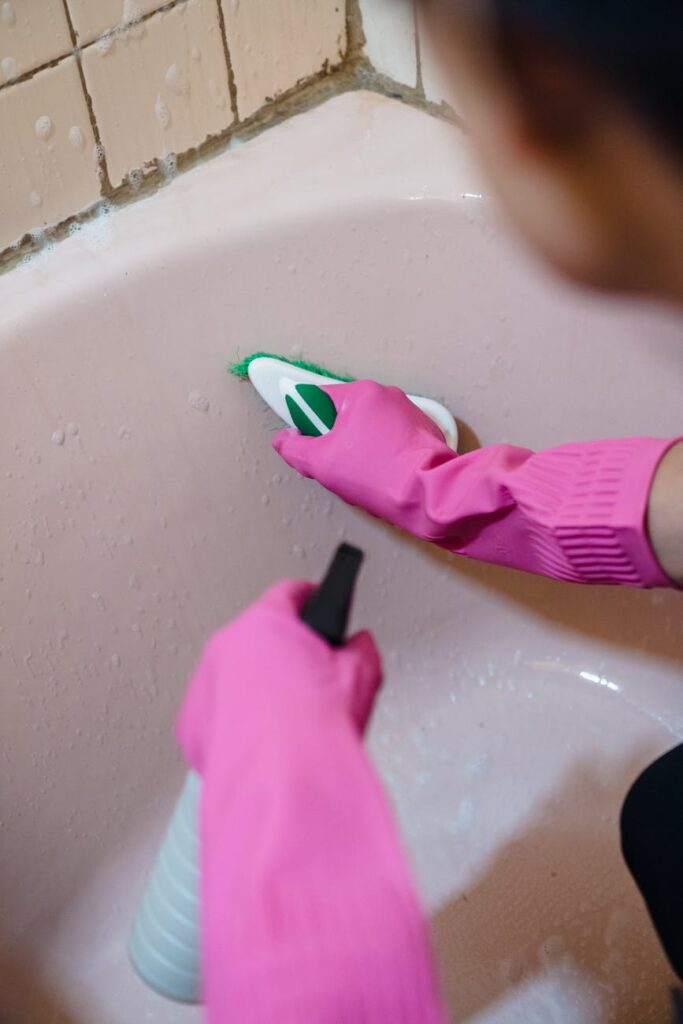
Bathroom Odor Removal: Bathroom Guide Part 2
Introduction
Dealing with unpleasant odors in the bathroom can be frustrating. Whether it’s lingering smells after a shower or a musty scent that won’t go away, understanding the root causes and knowing how to tackle them is essential for maintaining a fresh, inviting space. In this guide, we’ll explore common causes of bathroom odors, effective cleaning methods, and practical prevention tips to keep your bathroom smelling great.
What Causes Bathroom Odor?
Several factors can contribute to bad odors in your bathroom. Here are some of the most common culprits:
1. Mold and Mildew: Bathrooms are often humid, creating a perfect environment for mold and mildew growth.
2. Clogged Drains: Hair, soap scum, and other debris can accumulate in drains, leading to foul smells.
3. Toilet Issues: A dirty toilet or a malfunctioning wax seal can cause odors to escape.
4. Poor Ventilation: Inadequate airflow can trap moisture and odors, making them more pronounced.
5. Dirty Towels and Rugs: Used towels and bath mats can harbor bacteria, contributing to odors.
6. Plumbing Problems: Leaks or broken pipes can lead to stagnant water, which can produce unpleasant smells.
Why This Problem Happens
Understanding why these odors develop can help you tackle them more effectively. Here’s a closer look at the reasons behind bathroom odors:
- Humidity: Bathrooms naturally have high humidity levels, especially after showers. This moisture can promote mold and mildew growth.
- Neglecting Maintenance: Regular cleaning and maintenance often get overlooked, allowing odors to build up over time.
- Poor Drainage: If water isn’t draining properly, it can lead to standing water and smells.
- Organic Matter: Hair, soap, and skin cells that accumulate in drains can decompose and create unpleasant odors.
How to Fix Bathroom Odor (Step-by-Step)
Follow these steps to eliminate odors from your bathroom effectively:
Step 1: Identify the Source
Start by pinpointing where the smell is coming from. Is it from the toilet, sink, or somewhere else? Conduct a thorough inspection.
Step 2: Clean the Toilet
1. Gather Supplies: Toilet cleaner, brush, gloves, and disinfectant.
2. Apply Cleaner: Pour toilet cleaner under the rim and let it sit for a few minutes.
3. Scrub: Use a toilet brush to scrub the bowl thoroughly.
4. Flush: Flush to rinse.
5. Disinfect: Wipe down the seat and surrounding areas with disinfectant.
Step 3: Deodorize the Drains
1. Remove Debris: Use a drain snake or tweezers to pull out visible debris.
2. Flush with Hot Water: Pour boiling water down the drain to help break down buildup.
3. Baking Soda and Vinegar: Pour 1 cup of baking soda, followed by 1 cup of vinegar. Let it sit for 30 minutes, then flush with hot water.
Step 4: Clean Surfaces
1. Wipe Down: Use a multi-surface cleaner to wipe down sinks, counters, and fixtures.
2. Scrub Grout and Tile: Mix equal parts of water and vinegar to scrub tiles and grout, removing mold and mildew.
Step 5: Address Mold and Mildew
1. Spray Cleaner: Use a mold and mildew remover on affected areas.
2. Scrub: Use a brush to remove mold.
3. Rinse: Rinse thoroughly with water.
Step 6: Improve Ventilation
1. Open Windows: If possible, open windows to increase airflow.
2. Use Exhaust Fans: Turn on exhaust fans during and after showers to reduce humidity.
Step 7: Refresh Fabrics
1. Wash Towels and Rugs: Launder towels and rugs regularly to prevent odors.
2. Air Dry: Hang towels to dry completely after use.
Best Cleaning Methods
Different cleaning methods can be effective against bathroom odors. Here are some of the best options:
1. Vinegar: A natural deodorizer that can break down odors and mold.
2. Baking Soda: Absorbs odors and can be used in drains to help eliminate smells.
3. Essential Oils: Adding a few drops of essential oil to cleaning solutions can provide a pleasant scent.
4. Commercial Cleaners: There are plenty of specialized products available for tackling mold, mildew, and toilet odors.
Common Mistakes to Avoid
Here are some pitfalls to watch out for when dealing with bathroom odors:
1. Neglecting Regular Cleaning: Skipping cleanings can lead to a buildup of odors.
2. Ignoring Ventilation: Failing to use exhaust fans or open windows can exacerbate humidity issues.
3. Using the Wrong Products: Some cleaners can damage surfaces or not effectively tackle specific odors.
4. Not Addressing Mold Immediately: Allowing mold to grow can complicate odor removal.
5. Overusing Air Fresheners: Relying on air fresheners without cleaning can mask odors rather than eliminate them.
Prevention Tips
Preventing odors begins with good habits. Here are some effective tips:
1. Keep It Dry: Use a squeegee after showers to reduce moisture on walls and floors.
2. Regular Cleaning: Establish a cleaning schedule to maintain a fresh bathroom.
3. Check for Leaks: Regularly inspect plumbing for leaks that could cause stagnant water.
4. Use Ventilation: Always turn on exhaust fans during and after showers.
5. Wash Fabrics Frequently: Make it a habit to wash towels and bath mats regularly.
Frequently Asked Questions
1. How often should I clean my bathroom to prevent odors?
Cleaning your bathroom at least once a week can help prevent odors from developing.
2. Can I use bleach to clean mold in the bathroom?
While bleach can kill mold, it may not eliminate the roots. Consider using specialized mold removers for better results.
3. What should I do if my toilet smells even after cleaning?
If odors persist, check the wax seal at the base of the toilet or inspect for plumbing issues.
4. How can I eliminate odors from my bathroom rugs?
Wash bathroom rugs regularly and allow them to dry completely to prevent odors.
5. How can I keep my bathroom smelling fresh between cleanings?
Use baking soda in the drains, essential oils in the air, and open windows for ventilation.
6. What natural products can I use for deodorizing?
Baking soda, vinegar, and essential oils are excellent natural options for deodorizing your bathroom.
Maintaining a fresh-smelling bathroom is achievable with the right cleaning strategies and habits. By understanding the causes of odors and taking proactive measures, you can ensure your bathroom remains a clean and inviting space.