
Bathroom Odor Removal: Bathroom Guide Part 1
Introduction
Bathrooms are essential spaces in our homes, but they can also be a source of unpleasant odors. Whether it’s a lingering smell from plumbing issues or the aftermath of a busy morning routine, tackling bathroom odors can feel overwhelming. This guide will provide you with practical tips and step-by-step solutions to eliminate odors and keep your bathroom fresh.
What Causes Bathroom Odor?
Understanding the source of bathroom odors is the first step in resolving them. Common causes include:
- Poor Ventilation: Bathrooms often lack proper airflow, trapping moisture and smells.
- Mold and Mildew: These thrive in damp environments and produce musty odors.
- Unclean Fixtures: Toilets, sinks, and showers can harbor bacteria and grime.
- Clogged Drains: Debris buildup in pipes can lead to foul smells.
- Sewer Gas: A broken seal or dried-out trap can allow sewer gases to escape.
- Waste Buildup: Improper disposal of hygiene products can lead to odors.
- Moisture Accumulation: Excess moisture creates an environment where bacteria and mold can flourish.
- Neglected Cleaning: Regular cleaning is essential; neglect leads to buildup and odors.
- Plumbing Issues: Faulty plumbing or deterioration can allow odors to seep in.
- Lack of Air Circulation: Without proper ventilation, smells linger and intensify.
- Toilets
- Sinks
- Showers
- Drains
- Walls and ceilings for mold
- Open Windows: Allow fresh air to circulate.
- Use Exhaust Fans: Turn on the fan during and after showers to reduce humidity.
- Check Seals: Ensure toilet seals are intact.
- Inspect Traps: Make sure P-traps are filled with water to prevent sewer gas.
- Disinfectants: Use a good quality disinfectant for all surfaces.
- Baking Soda and Vinegar: This combination is effective for cleaning drains and deodorizing.
- Hydrogen Peroxide: Use this for removing mold and mildew.
- Commercial Odor Eliminators: Products specifically designed for odor removal can be effective.
Why This Problem Happens
Bathroom odors typically arise from a combination of factors:
How to Fix Bathroom Odor (Step-by-Step)
Step 1: Identify the Source
Before you start cleaning, pinpoint the source of the odor. Check common problem areas:
Step 2: Clean Thoroughly
Toilets
1. Scrub the Bowl: Use a toilet brush and a disinfectant cleaner. Pay attention to the rim and under the seat.
2. Wipe Down: Use disinfectant wipes on the exterior, including the tank, handle, and base.
Sinks
1. Empty the Basin: Remove any items and clean the sink with a multi-surface cleaner.
2. Focus on the Drain: Pour a mixture of baking soda and vinegar down the drain to break down buildup.
Showers and Tubs
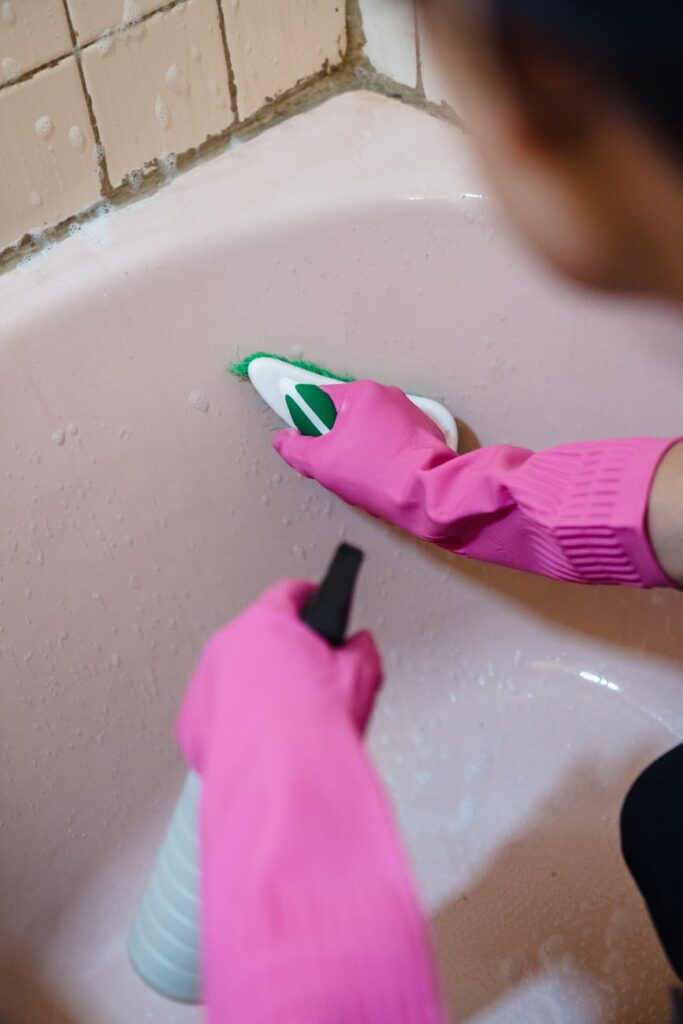
1. Remove Grime: Use a bathroom cleaner to scrub tiles and surfaces.
2. Check for Mold: Address any visible mold with a diluted bleach solution or a mold remover.
Step 3: Deodorize
1. Baking Soda: Place an open box of baking soda in the bathroom to absorb odors.
2. Essential Oils: Add a few drops of your favorite essential oil to cotton balls and place them around the bathroom.
Step 4: Improve Ventilation
Step 5: Address Plumbing Issues
If odors persist, check for plumbing problems:
Best Cleaning Methods
Common Mistakes to Avoid
1. Ignoring Regular Cleaning: Skipping regular cleanings allows odors to accumulate.
2. Overusing Air Fresheners: They may mask odors but do not eliminate the source.
3. Neglecting Ventilation: Failing to ventilate can lead to moisture problems.
4. Using the Wrong Products: Avoid harsh chemicals that can damage surfaces or cause residue buildup.
5. Not Checking Plumbing: Overlooking plumbing issues can lead to recurring odors.
Prevention Tips
1. Regular Cleanings: Schedule weekly cleanings to prevent odors from building up.
2. Use a Squeegee: After showers, use a squeegee to reduce moisture buildup on surfaces.
3. Install a Dehumidifier: This can help keep humidity levels in check.
4. Take Care of Plumbing: Regularly inspect and maintain plumbing systems to prevent issues.
5. Keep the Bathroom Ventilated: Always use the exhaust fan during showers and leave doors open when possible.
Frequently Asked Questions
1. How often should I clean my bathroom to prevent odors?
Aim for at least once a week, focusing on high-use areas like the toilet and sink.
2. What can I do if the odor persists after cleaning?
If odors continue, check for plumbing issues or mold growth that may not have been addressed.
3. Are there natural ways to eliminate bathroom odors?
Yes, using baking soda, vinegar, and essential oils are effective natural methods.
4. How can I tell if the odor is from sewer gas?
If you notice a rotten egg smell, it could be sewer gas. Check traps and seals to ensure they are intact.
5. Should I use bleach to clean my bathroom?
Bleach can be effective for mold removal but should be used with caution. Always dilute and ventilate the area.
6. Can air fresheners cause more harm than good?
Air fresheners can mask odors but often do not tackle the underlying issues. Regular cleaning and proper ventilation are more effective solutions.
Conclusion
Eliminating bathroom odors doesn’t have to be a daunting task. By identifying the sources, cleaning thoroughly, and following preventive measures, you can ensure your bathroom remains a fresh and inviting space. Keep this guide handy for a clean and odor-free bathroom experience.