
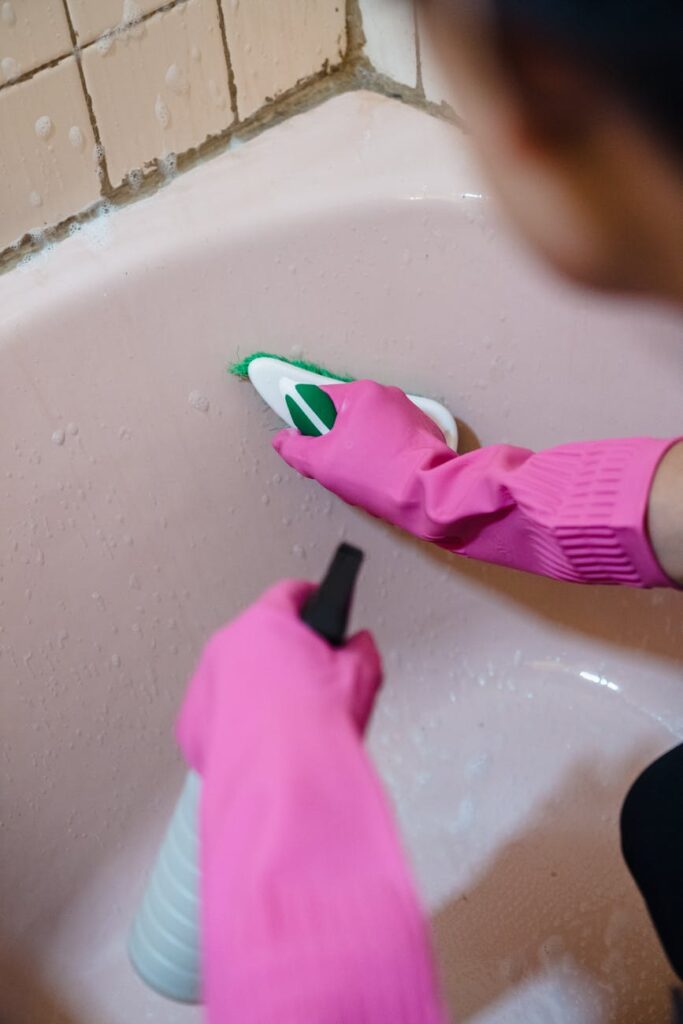
Bathroom Odor Removal Appliances Guide Part 2
Introduction
Bathroom odors can be a persistent problem that affects the comfort of your home. Many homeowners rely on appliances to tackle these unpleasant smells. This guide will walk you through the causes of odors, how to address them with appliances, and tips for keeping your bathroom fresh.
What Causes Appliances?
Bathroom odors often stem from a combination of factors, including:
- Poor Ventilation: Without proper airflow, moisture and odors linger.
- Mold and Mildew: These thrive in damp environments, contributing to musty smells.
- Clogged Drains: Hair, soap scum, and other debris can lead to stagnant water and odors.
- Toilet Issues: A leaking or malfunctioning toilet can create strong, unpleasant smells.
Understanding these causes is crucial for effectively using your cleaning appliances.
Why This Problem Happens
The bathroom is a high-moisture area, making it susceptible to various odors. When water evaporates, it can leave behind residue and create a breeding ground for bacteria and mold. Low ventilation exacerbates the problem, trapping smells that would otherwise dissipate. Additionally, the presence of hair, toiletries, and other debris can lead to clogs, further contributing to foul odors.
How to Fix Appliances (Step-by-Step)
Step 1: Identify the Source
Before using any appliance, identify where the odor is coming from. Check sinks, toilets, and showers for any visible issues.
Step 2: Clean the Appliances
Dehumidifiers
1. Empty the Water Tank: Remove any collected water to prevent mold growth.
2. Wipe Down: Use a damp cloth to clean the exterior and interior surfaces.
3. Replace Filters: Regularly change or clean filters to maintain efficiency.
Air Purifiers
1. Check Filters: Replace or clean HEPA filters according to the manufacturer’s instructions.
2. Placement: Position the air purifier in areas where odors are strongest.
3. Run Regularly: Use it daily to keep the air fresh.
Exhaust Fans
1. Clean the Blades: Dust and grime can accumulate over time. Wipe them down with a damp cloth.
2. Check for Blockages: Ensure that the vent is clear of debris.
3. Test Functionality: Run the fan to ensure it operates efficiently.
Step 3: Use Proper Cleaning Solutions
For stubborn odors, consider using specialized cleaning products. Look for enzyme-based cleaners that break down organic matter. Follow the instructions on the label for the best results.
Step 4: Maintain Regular Cleaning
Establish a cleaning schedule for your appliances. Regular maintenance prevents the buildup of dirt and odors.
Best Cleaning Methods
Baking Soda
Baking soda is a natural deodorizer. Sprinkle it in the toilet, sink, and shower, then let it sit for a few hours before rinsing.
Vinegar
White vinegar is effective in neutralizing odors. Mix equal parts vinegar and water in a spray bottle. Use it to wipe down surfaces and keep drains fresh.
Essential Oils
Adding a few drops of essential oils like lavender or tea tree oil to a diffuser can help mask odors and provide a pleasant fragrance.
Common Mistakes to Avoid
1. Ignoring Filters: Neglecting to clean or replace filters can reduce the effectiveness of your appliances.
2. Overlooking Ventilation: Relying solely on appliances without ensuring proper ventilation can lead to persistent odors.
3. Using Harsh Chemicals: Some strong cleaners can actually worsen odors or damage appliances.
Prevention Tips
Ventilation
Ensure that your bathroom has adequate ventilation. Open windows or install a powerful exhaust fan to promote airflow.
Regular Cleaning
Incorporate a regular cleaning routine for your bathroom. Focus on high-traffic areas like sinks and toilets.
Drain Maintenance
Use a drain strainer to catch hair and debris. Regularly flush drains with hot water and vinegar to prevent clogs.
Immediate Spill Cleanup
Address spills and messes immediately to prevent odors from developing.
Frequently Asked Questions
1. How often should I clean my bathroom appliances?
Aim to clean your appliances at least once a month, but increase frequency if you notice odors.
2. What type of air purifier is best for eliminating bathroom odors?
Choose an air purifier with a HEPA filter and activated carbon for the best results.
3. Can I use bleach to clean my bathroom appliances?
While bleach can disinfect, it may not effectively eliminate odors. Use it sparingly, as it can also create strong fumes.
4. Is a dehumidifier necessary in every bathroom?
Not necessarily. If your bathroom has good ventilation and dries quickly after use, a dehumidifier may not be needed.
5. How can I tell if my exhaust fan is working properly?
Listen for the sound of airflow. If it’s quieter than usual or not shifting air, it may need cleaning or replacement.
6. Can essential oils actually help with odors?
Yes, essential oils can mask odors and may have antibacterial properties, helping to keep your bathroom fresh.
Maintaining a fresh-smelling bathroom is achievable with the right appliances and cleaning strategies. By following this guide, you can tackle odors effectively and create a more pleasant environment in your home.