
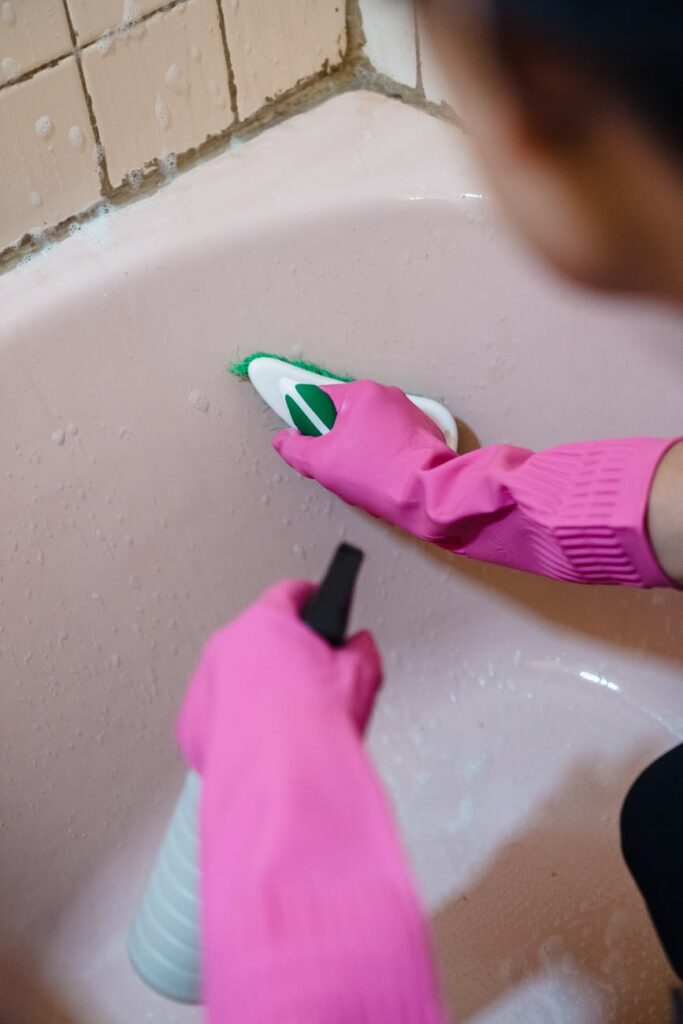
Bathroom Mildew Removal Stains Guide Part 1
Introduction
Mildew stains in the bathroom can be a frustrating problem for homeowners. Not only do they look unsightly, but they can also lead to further issues if left untreated. This guide will walk you through the causes of mildew stains, why they occur, and practical steps to remove and prevent them effectively.
What Causes Stains?
Mildew stains are a result of mold and fungus growth, typically thriving in warm, humid environments. The most common causes include:
- High Humidity: Bathrooms often have poor ventilation, which creates a perfect breeding ground for mildew.
- Water Leaks: Leaky pipes or fixtures can provide moisture, contributing to mildew growth.
- Soap Residue: Soap scum can trap moisture and create a favorable environment for mildew.
- Lack of Cleaning: Infrequent cleaning allows mildew to establish and penetrate surfaces.
- Poor Ventilation: Bathrooms without exhaust fans or windows can retain moisture after showers or baths.
- Temperature Fluctuations: Warm air holds more moisture; when it cools, condensation occurs, leading to damp surfaces.
- Organic Material: Mildew feeds on organic materials found in soaps, shampoos, and even skin cells.
- Infrequent Maintenance: Regular cleaning routines are essential to keep mildew at bay.
- Rubber gloves
- Scrub brush or sponge
- Bucket
- Cleaning solution (store-bought or homemade)
- Spray bottle
- Old toothbrush (for tight spots)
- Towels
- Remove any items from the affected area, such as toiletries and bath mats.
- Ensure the bathroom is well-ventilated by opening windows or turning on the exhaust fan.
- Homemade Solution: Mix equal parts of water and white vinegar in a spray bottle. Alternatively, use a commercial mildew cleaner.
- Spray the affected areas generously, focusing on grout lines, corners, and around fixtures.
- Allow the solution to sit for about 10-15 minutes. This gives it time to penetrate and loosen the mildew.
- Use a scrub brush or sponge to scrub the stained areas. For tighter spots, an old toothbrush works well.
- Rinse the area with warm water to remove any residue from the cleaning solution.
- Wipe down surfaces with a clean towel to remove any remaining moisture. This step is crucial to prevent mildew from returning.
- A mixture of vinegar and baking soda creates a powerful cleaning reaction. Apply baking soda to the stained area, followed by vinegar. Let it fizz, then scrub and rinse.
- Use a 3% hydrogen peroxide solution for tougher stains. Apply it directly, let it sit for 10 minutes, then scrub and rinse.
- For non-porous surfaces, a diluted bleach solution (1 part bleach to 10 parts water) can be effective. However, be cautious as it can discolor fabrics and surfaces.
- Several products are specifically designed to tackle mildew stains. Always follow the manufacturer’s instructions for optimal results.
- Not Testing First: Always test a small, hidden area before applying any cleaner to ensure it won’t damage the surface.
- Using Too Much Water: Excess moisture can promote mildew growth. Use cleaning solutions sparingly.
- Skipping Ventilation: Failing to ventilate while cleaning can lead to a hazardous buildup of fumes from cleaning products.
- Ignoring the Root Cause: Simply cleaning stains without addressing humidity or leaks will lead to recurring problems.
Why This Problem Happens
Understanding why mildew stains develop is crucial to effective removal and prevention. Here are some key factors:
How to Fix Stains (Step-by-Step)
Removing mildew stains can be straightforward if you follow these steps:
Step 1: Gather Your Supplies
You will need:
Step 2: Prepare the Area
Step 3: Apply Cleaning Solution
Step 4: Let it Sit
Step 5: Scrub the Area
Step 6: Rinse Thoroughly
Step 7: Dry the Area
Best Cleaning Methods
Different methods can be effective depending on the surface and severity of the stains:
1. Vinegar and Baking Soda
2. Hydrogen Peroxide
3. Bleach Solution
4. Commercial Cleaners
Common Mistakes to Avoid
To maximize your cleaning efforts, avoid these common pitfalls:
Prevention Tips
Preventing mildew stains is much easier than removing them. Here are some effective strategies:
1. Improve Ventilation: Install an exhaust fan or open windows to reduce humidity levels.
2. Wipe Down Surfaces: After showers, wipe down walls and fixtures with a towel to minimize moisture.
3. Use Mold-Resistant Products: Consider mold-resistant paints and caulks for bathroom renovations.
4. Regular Cleaning: Establish a routine cleaning schedule to keep mildew at bay.
5. Dehumidifiers: In particularly humid areas, consider using a dehumidifier to maintain optimal moisture levels.
6. Seal Grout Lines: Applying a grout sealer can help prevent water from penetrating and encourage mildew growth.
Frequently Asked Questions
1. How often should I clean my bathroom to prevent mildew?
Aim for a thorough cleaning at least once a week, with spot cleaning as needed after showers.
2. Can I use vinegar on all surfaces?
Vinegar is safe for most surfaces but can damage natural stone. Always check compatibility before use.
3. What’s the best way to remove mildew from grout?
Using a mixture of baking soda and vinegar or a commercial grout cleaner works best. Scrub with a brush for thorough cleaning.
4. How can I tell if I have a mold problem instead of just mildew?
Mold is typically darker and can penetrate deeper into surfaces. If you see extensive growth or have health concerns, consider consulting a professional.
5. Is it safe to mix bleach with other cleaners?
No, mixing bleach with ammonia or vinegar can produce toxic fumes. Always use cleaning products separately.
6. What should I do if stains persist after cleaning?
If stains remain, consider using a stronger commercial product or consulting a professional cleaner for advice.
By following these steps and tips, you can effectively tackle mildew stains in your bathroom and prevent them from returning. Stay tuned for Part 2 of our guide for deeper insights and advanced techniques!