
Bathroom Mildew Removal: Mould & Damp Guide Part 1
Introduction
Mould and damp in the bathroom can be more than just an eyesore; they can lead to serious cleaning challenges and even structural damage over time. This guide aims to provide homeowners with practical solutions to identify, eliminate, and prevent mould and damp issues effectively.
What Causes Mould & Damp?
Mould thrives in damp environments. The bathroom, often filled with moisture from showers and baths, provides an ideal breeding ground. Key factors contributing to mould and damp include:
- High Humidity Levels: Bathrooms can trap moisture, especially without proper ventilation.
- Poor Ventilation: Lack of airflow can prevent moisture from escaping.
- Leaky Pipes: Any leaks from plumbing can lead to damp patches.
- Condensation: Warm air from showers can condense on colder surfaces, creating moisture.
- Temperature Fluctuations: Hot showers increase humidity, and when the air cools, moisture settles on surfaces.
- Infrequent Cleaning: Regular cleaning can help control mould growth; neglecting this allows spores to flourish.
- Building Materials: Some materials, like wood and drywall, can absorb moisture, creating a conducive environment for mould.
- Protective gloves and a mask
- Scrub brush or sponge
- Spray bottle
- White vinegar or a commercial mould remover
- Baking soda (optional)
- Water
- Old towels or rags
- Shower curtains
- Grout lines
- Behind the toilet
- Around windows
- Under sinks
- For vinegar, spray it directly onto the mouldy areas and let it sit for at least one hour.
- For the baking soda paste, apply it to the affected area and scrub gently.
- Ventilation: Always use an exhaust fan or open a window during and after showers to reduce humidity.
- Regular Cleaning: Clean your bathroom at least once a week to prevent mould build-up.
- Seal Grout: Use a grout sealer to protect against moisture absorption.
- Use Mould-Resistant Products: Opt for mould-resistant paints and materials when renovating.
- Fix Leaks Promptly: Address any plumbing issues immediately to prevent water accumulation.
Why This Problem Happens
Understanding why mould and damp occur is crucial for effective prevention and removal.
How to Fix Mould & Damp (Step-by-Step)
Step 1: Gather Your Supplies
Before you start, gather the following cleaning materials:
Step 2: Identify Affected Areas
Inspect your bathroom for mould and damp spots. Common areas include:
Step 3: Prepare the Cleaning Solution
Vinegar Method: Fill a spray bottle with undiluted white vinegar.
Baking Soda Method: Mix one part baking soda with two parts water in a bowl to create a paste.
Step 4: Apply the Solution
Step 5: Scrub the Areas
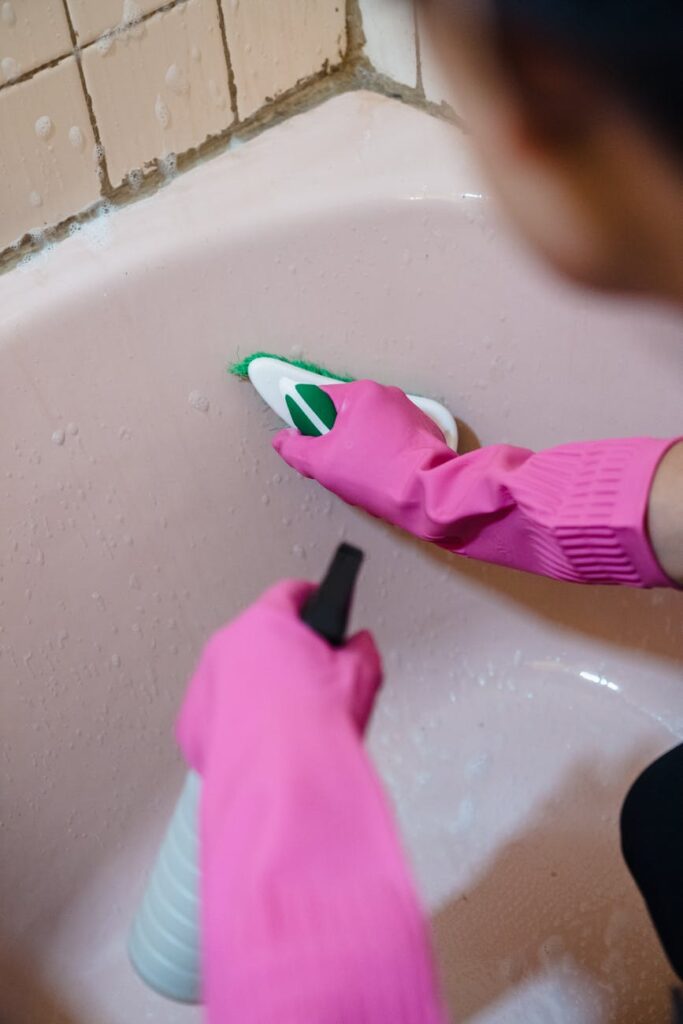
Use a scrub brush or sponge to scrub the mould. Be sure to wear gloves and a mask to protect yourself from spores.
Step 6: Rinse and Dry
Rinse the area with warm water and dry thoroughly with an old towel. Ensure that no moisture remains to prevent re-growth.
Step 7: Dispose of Cleaning Materials
Dispose of any used sponges, gloves, or towels properly to avoid spreading mould spores.
Best Cleaning Methods
Several effective cleaning methods can help eliminate mould:
1. Vinegar: A natural disinfectant that kills about 82% of mould species.
2. Baking Soda: Safe for various surfaces and effective against mould.
3. Hydrogen Peroxide: A stronger solution (3% concentration) that can kill mould spores.
4. Commercial Mould Removers: These often contain stronger chemicals and can be effective for stubborn mould.
Always test a small area first to ensure the cleaning method does not damage your surfaces.
Common Mistakes to Avoid
1. Ignoring Small Spots: Small mould patches can quickly expand if neglected.
2. Using Bleach on Porous Surfaces: Bleach only masks mould and does not penetrate porous materials, allowing it to return.
3. Not Ventilating: Failing to ventilate during cleaning can worsen moisture issues.
4. Skipping Regular Maintenance: Infrequent cleaning can lead to recurring mould problems.
Prevention Tips
To keep your bathroom mould-free, consider these preventative measures:
Frequently Asked Questions
1. How can I tell if I have mould?
Look for dark spots or discolouration on walls, ceilings, or grout lines. A musty smell can also indicate mould presence.
2. Is mould removal safe for all surfaces?
Most surfaces can be cleaned, but always test in an inconspicuous area first, especially with stronger cleaners.
3. Can I prevent mould growth completely?
While you can significantly reduce mould growth with proper care, it may not be possible to eliminate it entirely, especially in high-humidity areas.
4. How often should I clean my bathroom to prevent mould?
Aim for at least once a week, but increase frequency if you notice moisture or mould.
5. What should I do if mould keeps returning?
If mould persists, consider consulting a professional to inspect for hidden leaks or structural issues.
6. Are there any natural mould removers?
Yes, vinegar and baking soda are effective natural options for cleaning and preventing mould.
By following these steps and preventative measures, you can effectively tackle mould and damp issues in your bathroom, ensuring a cleaner and healthier living environment. Stay tuned for Part 2, where we will delve deeper into advanced mould solutions and maintenance tips.