
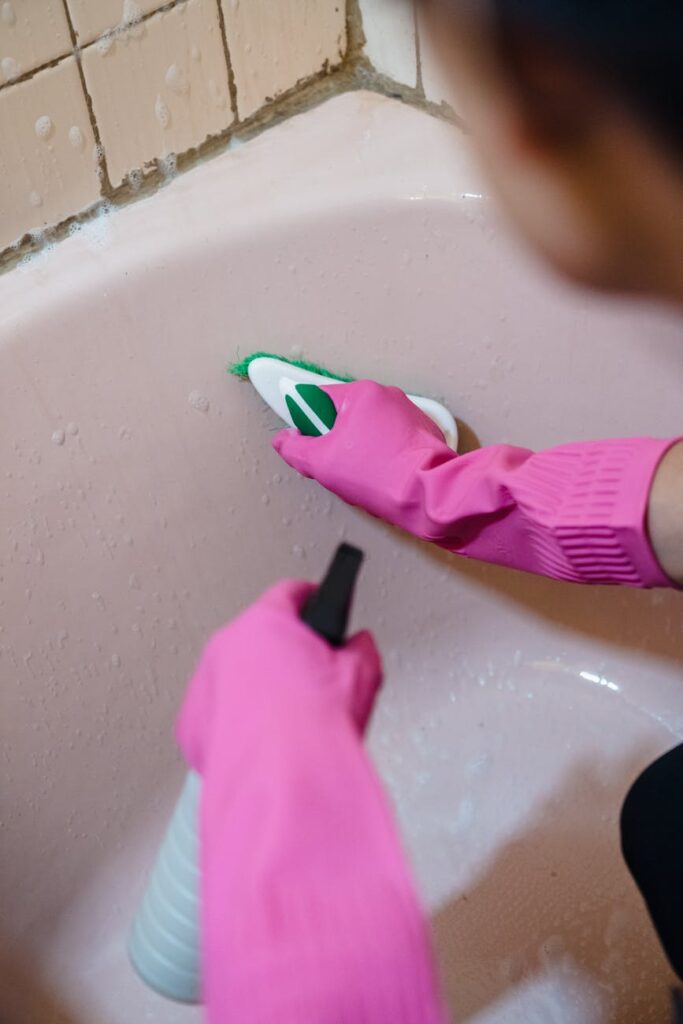
Bathroom Mildew Removal Laundry Guide Part 1
Introduction
Bathroom mildew is a common issue that can wreak havoc on your laundry. If left untreated, it can leave unsightly stains and unpleasant odors on your towels, sheets, and clothes. In this guide, we’ll explore the causes of mildew in your laundry, why this problem occurs, and provide you with step-by-step instructions to effectively remove it. Additionally, we’ll cover the best cleaning methods, common mistakes to avoid, and preventive tips to keep your laundry fresh.
What Causes Laundry Mildew?
Mildew in laundry primarily stems from a combination of moisture, warmth, and lack of airflow. Here are the main culprits:
1. Humidity: Bathrooms are naturally humid spaces. If laundry is left damp for too long, mildew can develop.
2. Poor Air Circulation: Closed laundry hampers or bathrooms without ventilation can trap moisture.
3. Dirty Laundry: Leaving soiled items in hampers can foster mildew growth.
4. Washing Machine Issues: Residual moisture in the washing machine can contribute to mildew formation.
Understanding these causes can help you take corrective measures to manage mildew effectively.
Why This Problem Happens
Mildew thrives in warm, damp environments, making bathrooms and laundry areas ideal breeding grounds. When towels and clothes are washed but not dried promptly, the moisture clings to the fabric. This creates a perfect environment for mildew spores to settle and multiply.
Additionally, if laundry is washed in cold water and not dried properly, mildew can develop during storage. Over time, the smell of mildew can permeate your fabrics, making them unpleasant to use.
How to Fix Laundry (Step-by-Step)
Removing mildew from your laundry requires a systematic approach. Follow these steps for effective mildew removal:
Step 1: Gather Your Supplies
You will need:
- White vinegar
- Baking soda
- A soft brush or cloth
- Laundry detergent
- A washing machine
- Sunlight (if possible)
Step 2: Identify Affected Items
Inspect your laundry and identify items that show signs of mildew, such as dark spots or a musty smell.
Step 3: Pre-Treat Mildew
1. Vinegar Solution: Mix one part white vinegar with three parts water in a spray bottle. Spray the affected areas generously.
2. Baking Soda: For stubborn stains, sprinkle baking soda directly onto the mildew spots after applying the vinegar solution. Gently scrub with a soft brush or cloth.
Step 4: Wash with Hot Water
1. Place the pre-treated items in your washing machine.
2. Add your regular laundry detergent and set the machine to the hottest setting safe for the fabric.
3. Run a full wash cycle.
Step 5: Dry Thoroughly
1. If possible, dry the items outdoors in direct sunlight. Sunlight acts as a natural disinfectant and helps eliminate mildew.
2. If using a dryer, ensure the items are completely dry to prevent moisture buildup.
Best Cleaning Methods
Different methods can be used to tackle mildew in laundry. Here are the most effective:
1. Vinegar and Baking Soda
This duo is powerful against mildew. Vinegar disinfects, while baking soda helps to deodorize and lift stains.
2. Hydrogen Peroxide
For tougher mildew stains, mix equal parts hydrogen peroxide and water. Apply this solution to the affected areas and let it sit for about 30 minutes before washing.
3. Commercial Mildew Removers
If home remedies aren’t effective, consider using a commercial mildew remover. Follow the manufacturer’s instructions carefully.
4. Heat Treatment
If you have items that can withstand high temperatures, placing them in the dryer on high heat for 20 minutes can kill mildew spores.
Common Mistakes to Avoid
1. Ignoring Damp Laundry: Leaving wet items in the washing machine or hamper encourages mildew growth.
2. Using Cold Water Only: While cold water is energy-efficient, it may not effectively kill mildew. Use hot water when possible.
3. Overloading the Washing Machine: This can lead to poor washing results and trapped moisture.
4. Not Drying Completely: Ensure all items are fully dried before storing them.
Prevention Tips
Preventing mildew in your laundry is easier than removing it. Implement these tips:
1. Wash Regularly: Don’t let laundry sit for extended periods. Wash items promptly.
2. Dry Immediately: Remove laundry from the washer and dry it right away.
3. Use Ventilation: Keep bathroom windows open or use an exhaust fan to reduce humidity.
4. Store Properly: Use breathable hampers and avoid tightly packed storage for laundry.
5. Use a Dehumidifier: If your laundry area is prone to dampness, consider using a dehumidifier.
Frequently Asked Questions
1. Can I use bleach to remove mildew from laundry?
Yes, bleach can be effective, but it should be used cautiously. Always check fabric care labels, as bleach can damage certain materials.
2. How can I tell if mildew is removed from my laundry?
Check for any lingering stains or odors after washing. If the fabric smells fresh and is free of discoloration, the mildew is likely removed.
3. Is it safe to wash mildew-stained items with other laundry?
It’s best to wash mildew-stained items separately to prevent spreading spores to other fabrics.
4. Can I prevent mildew in my washing machine?
Yes, regularly clean your washing machine with vinegar or a commercial cleaner and leave the door open between washes to dry out.
5. How often should I wash towels to prevent mildew?
Wash towels at least once a week, or more frequently if they stay damp for extended periods.
6. What should I do if mildew persists after washing?
If mildew remains, repeat the cleaning process or consider using a commercial mildew remover. If the problem continues, inspect your laundry area for excessive moisture or ventilation issues.
By following this guide, you can effectively tackle bathroom mildew in your laundry, ensuring your fabrics remain fresh and clean. Stay tuned for Part 2, where we’ll delve deeper into advanced techniques for dealing with stubborn mildew.