
Bathroom Mildew Removal Kitchen Guide Part 2
Introduction
Mildew in the kitchen can be an unsightly and persistent problem. It thrives in the warm, humid environment of this busy space, especially around sinks, dishwashers, and refrigerators. This guide will provide you with practical solutions to tackle mildew effectively, ensuring your kitchen remains a clean and safe place for you and your family.
What Causes Kitchen Mildew?
Mildew is a type of fungus that grows in damp and humid environments. In the kitchen, several factors contribute to its growth:
1. High Humidity: Cooking generates steam, which can raise humidity levels.
2. Poor Ventilation: Lack of airflow allows moisture to linger.
3. Leaky Pipes: Dripping or leaking water sources create ideal breeding grounds.
4. Food Debris: Spills and crumbs can attract moisture and mold.
Why This Problem Happens
Understanding the reasons behind mildew growth is crucial for prevention and removal. Here are the primary causes:
- Condensation: When warm air meets cold surfaces like windows or countertops, moisture condenses, leading to dampness.
- Inadequate Cleaning: Failing to clean surfaces regularly allows mildew to take hold.
- Cluttered Spaces: Items stacked against walls can trap moisture and prevent airflow.
- Temperature Fluctuations: Sudden changes can lead to condensation and increased humidity.
- Rubber gloves
- Face mask
- Scrub brush or sponge
- Bucket
- Spray bottle
- Cleaning solution (vinegar, baking soda, or commercial mildew remover)
- Cloth or paper towels
- Around the sink
- Underneath appliances
- Inside cabinets
- On walls and ceilings
- Spray the affected areas liberally with your chosen solution.
- Allow it to sit for 10-15 minutes to penetrate the mildew.
- Wipe down the cleaned areas with a damp cloth to remove any residue.
- Ensure all surfaces are thoroughly dried to prevent future mildew growth.
How to Fix Kitchen Mildew (Step-by-Step)
Step 1: Gather Your Supplies
Before you begin, gather the following items:
Step 2: Identify Affected Areas
Walk through your kitchen and identify all areas affected by mildew. Common hotspots include:
Step 3: Prepare the Cleaning Solution
For a natural solution, mix equal parts water and white vinegar in a spray bottle. Alternatively, you can create a paste using baking soda and water.
Step 4: Apply the Cleaning Solution
Step 5: Scrub the Area
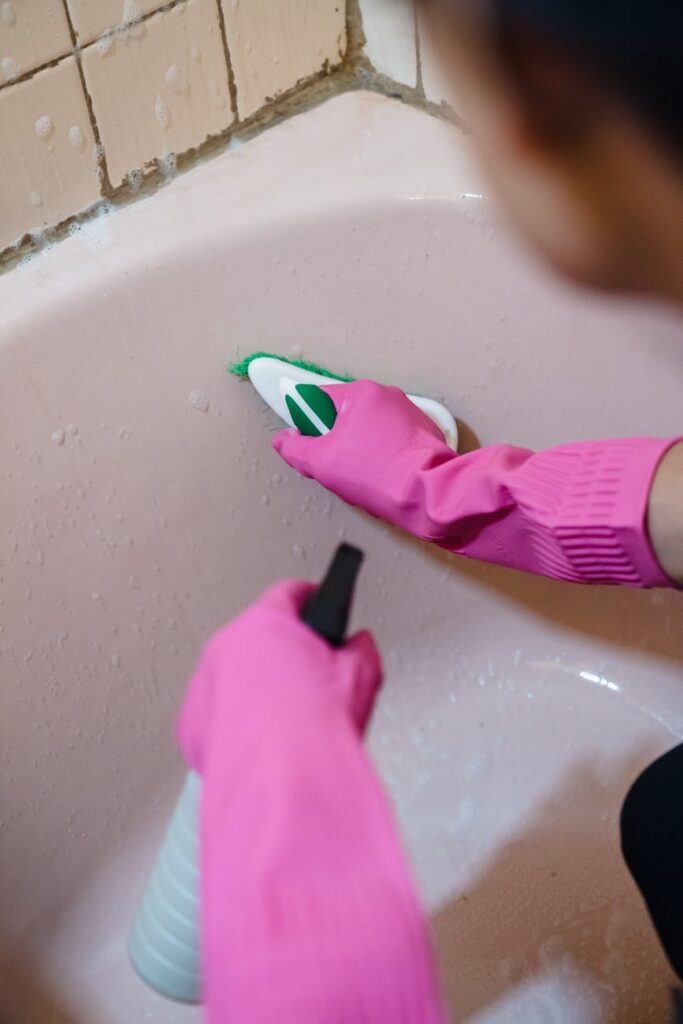
Using a scrub brush or sponge, scrub the area thoroughly. For tough mildew, you may need to apply additional cleaning solution.
Step 6: Rinse and Dry
Step 7: Dispose of Contaminated Materials
Dispose of any sponges, cloths, or brushes that may have come into contact with mildew to prevent spreading spores.
Best Cleaning Methods
When it comes to removing mildew, several methods can be effective:
1. Vinegar
Vinegar is a natural mold killer. Its acidity helps break down mildew and prevents regrowth.
2. Baking Soda
Baking soda is an excellent abrasive cleaner that can lift mildew stains. It also neutralizes odors.
3. Hydrogen Peroxide
For more stubborn mildew, use a 3% hydrogen peroxide solution. Spray it on the affected areas and let it sit for 10 minutes before scrubbing.
4. Commercial Cleaners
If natural methods don’t work, consider commercial mildew removers. Always follow the manufacturer’s instructions and ensure proper ventilation during use.
Common Mistakes to Avoid
1. Not Wearing Protective Gear: Always wear gloves and a mask to protect yourself from spores.
2. Ignoring Ventilation: Failing to open windows or run exhaust fans can worsen the humidity.
3. Using Too Much Water: Excess water can worsen mildew. Use a damp cloth instead of soaking surfaces.
4. Neglecting Regular Cleaning: Mildew thrives in neglected areas. Regular cleaning is essential for prevention.
Prevention Tips
Preventing mildew is easier than removing it. Here are some effective ways to keep your kitchen mildew-free:
1. Increase Airflow: Open windows and use fans to reduce humidity.
2. Fix Leaks Promptly: Address any plumbing issues immediately to prevent moisture buildup.
3. Clean Regularly: Develop a routine cleaning schedule to remove spills and debris.
4. Use Dehumidifiers: In high-humidity areas, consider using a dehumidifier to maintain optimal moisture levels.
5. Seal Grout and Caulk: Regularly inspect and reseal caulk and grout to prevent moisture penetration.
6. Store Food Properly: Keep food in airtight containers to reduce moisture and prevent mildew.
Frequently Asked Questions
1. How often should I clean to prevent mildew?
Aim for a deep clean every month, with regular checks and daily surface cleaning to keep mildew at bay.
2. Is it safe to use bleach on mildew?
While bleach can kill mildew, it may not be the best option for porous surfaces and can produce harmful fumes. Opt for vinegar or baking soda for safer alternatives.
3. Can mildew cause health problems?
Mildew can trigger allergies and respiratory issues, particularly in sensitive individuals. Keeping your kitchen clean will help mitigate these risks.
4. How can I tell the difference between mildew and mold?
Mildew is typically gray or white and has a flat appearance, while mold can be various colors and has a fuzzy texture. Both require prompt attention.
5. What should I do if mildew returns after cleaning?
If mildew returns, re-evaluate your cleaning methods, check for hidden moisture sources, and improve ventilation.
6. Can I prevent mildew without chemicals?
Yes, using natural solutions like vinegar, baking soda, and regular cleaning can effectively prevent mildew without harsh chemicals.
By following this comprehensive guide, you’ll be equipped to tackle kitchen mildew effectively and keep your space clean and healthy. Regular maintenance and preventative measures will ensure your kitchen remains a welcoming environment for cooking and gathering.