
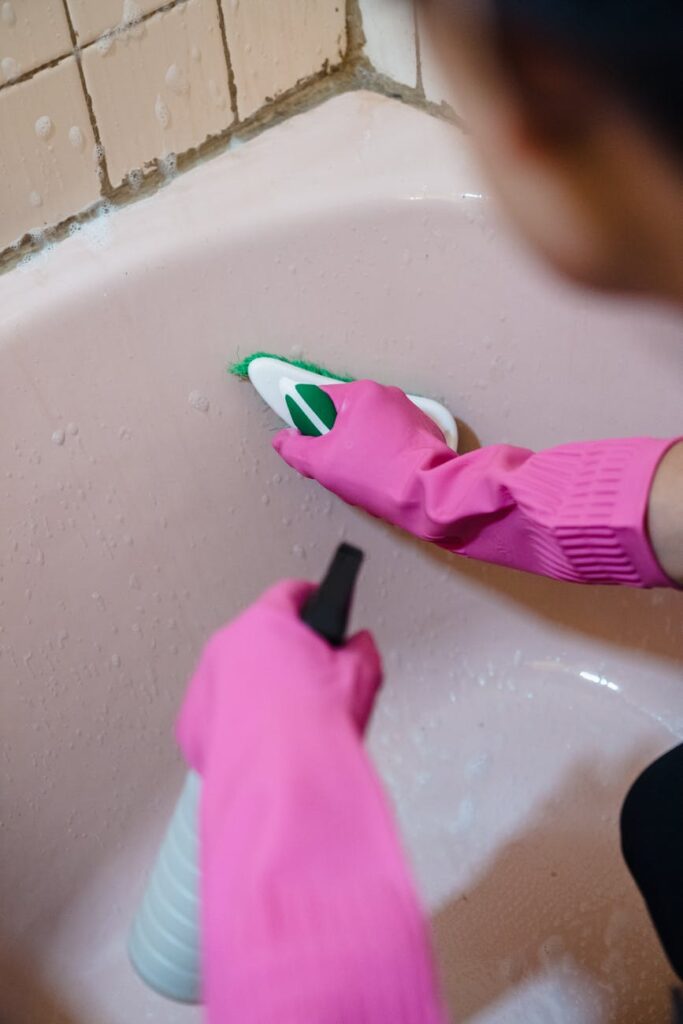
Bathroom Mildew Removal Cleaning Guide Part 2
Introduction
Mildew in the bathroom is not just unsightly; it can lead to unpleasant odors and even structural damage if left untreated. This guide provides practical steps to effectively remove mildew, understand its causes, and prevent future growth.
What Causes Mildew?
Mildew is a type of fungus that thrives in damp, warm environments. In bathrooms, common sources of moisture include:
- Humidity: High humidity levels can promote mildew growth.
- Poor Ventilation: Lack of airflow keeps moisture trapped.
- Water Leaks: Dripping faucets, leaking pipes, or around the shower can create ideal conditions for mildew.
- Wet Towels and Rugs: Leaving damp items in the bathroom contributes to moisture buildup.
- Steam from Showers: Hot showers create steam, leading to condensation on surfaces.
- Infrequent Cleaning: Regular cleaning helps prevent mildew buildup.
- Dark Spaces: Mildew prefers dark corners and areas where light doesn’t reach.
- Clutter: Items stacked in corners can trap moisture and create breeding grounds for mildew.
- Protective gloves and mask
- Scrub brushes or sponges
- A spray bottle
- Cleaning solution (vinegar, baking soda, or commercial mildew remover)
- Bucket
- Old toothbrush (for tight spots)
- Rags or paper towels
- Ventilate: Open windows and turn on the exhaust fan to reduce moisture in the air.
- Remove Clutter: Take away any items that may obstruct cleaning, such as towels, toiletries, and rugs.
- Vinegar Method: Fill a spray bottle with white vinegar and spray directly onto affected areas. Let it sit for at least 30 minutes.
- Baking Soda Paste: Mix baking soda with water to form a paste. Apply to stubborn spots and let it sit for 15 minutes.
- Use a scrub brush or sponge to scrub the mildew away. For tight spots, an old toothbrush can be effective.
- Rinse the area with clean water to remove any residue.
- Wipe down all surfaces with a clean, dry rag.
- Ensure there is no leftover moisture; this step is crucial to prevent mildew from returning.
- Not Ventilating: Failing to ventilate can exacerbate the problem. Always ensure airflow during and after cleaning.
- Ignoring the Grout: Mildew can hide in grout lines. Always clean these areas thoroughly.
- Using Too Much Water: Excess water can lead to further mildew growth. Use damp cloths rather than soaking surfaces.
- Neglecting Regular Maintenance: Don’t wait for mildew to accumulate. Clean bathrooms regularly to prevent buildup.
- Install an exhaust fan that runs during and after showers.
- Open windows when possible to allow fresh air to circulate.
- Use a dehumidifier to maintain optimal humidity levels.
- Leave bathroom doors open to promote airflow when not in use.
- Clean the bathroom at least once a week, focusing on high-humidity areas.
- Use mildew-resistant cleaning products where possible.
- Hang towels and bath mats to dry after each use.
- Avoid leaving damp clothing in the bathroom.
- Apply a grout sealer every six months to prevent moisture absorption.
Why This Problem Happens
Mildew grows in specific conditions. Factors contributing to its development include:
Understanding these causes is the first step to effective mildew removal and prevention.
How to Fix Mildew (Step-by-Step)
Removing mildew requires a systematic approach. Follow these steps for effective cleaning:
Step 1: Gather Your Supplies
You will need:
Step 2: Prepare the Area
Step 3: Apply Cleaning Solution
Step 4: Scrub the Affected Areas
Step 5: Dry Thoroughly
Best Cleaning Methods
Here are the most effective methods for mildew removal:
1. Vinegar
Vinegar is a natural disinfectant and antifungal. It effectively kills mildew spores. Its acidity helps break down mildew, making it easier to scrub away.
2. Baking Soda
Baking soda is a gentle abrasive that can lift mildew without damaging surfaces. Combined with vinegar, it creates a powerful cleaning reaction.
3. Hydrogen Peroxide
For tougher mildew stains, a 3% hydrogen peroxide solution can be sprayed onto the area. Let it sit for 10-15 minutes before scrubbing and rinsing.
4. Commercial Mildew Removers
If natural methods don’t work, consider using a commercial mildew remover. Always follow the manufacturer’s instructions and ensure proper ventilation.
Common Mistakes to Avoid
Avoid these pitfalls to ensure effective mildew removal:
Prevention Tips
To keep mildew at bay, implement these preventive measures:
1. Improve Ventilation
2. Reduce Humidity
3. Regular Cleaning
4. Dry Wet Items
5. Seal Grout
Frequently Asked Questions
1. How often should I clean for mildew?
Clean your bathroom at least once a week to prevent mildew buildup.
2. Can I use bleach to remove mildew?
While bleach can kill mildew, it may not be effective on porous surfaces and can discolor some materials. Use it cautiously.
3. Why does mildew keep coming back?
If mildew returns quickly, it may be due to poor ventilation, humidity issues, or not thoroughly cleaning previously affected areas.
4. Is mildew harmful?
While mildew is not usually dangerous, it can cause allergies and respiratory issues in sensitive individuals.
5. Can I remove mildew from painted walls?
Yes, use a mixture of vinegar and water or a mild detergent to scrub the affected area gently. Always test in an inconspicuous spot first.
6. What surfaces are most prone to mildew?
Showers, bathtubs, sinks, and grout lines are particularly susceptible to mildew due to constant moisture exposure.
By following these guidelines, you can effectively remove mildew from your bathroom and prevent it from returning. A clean, mildew-free bathroom not only looks better but also contributes to a healthier home environment.