
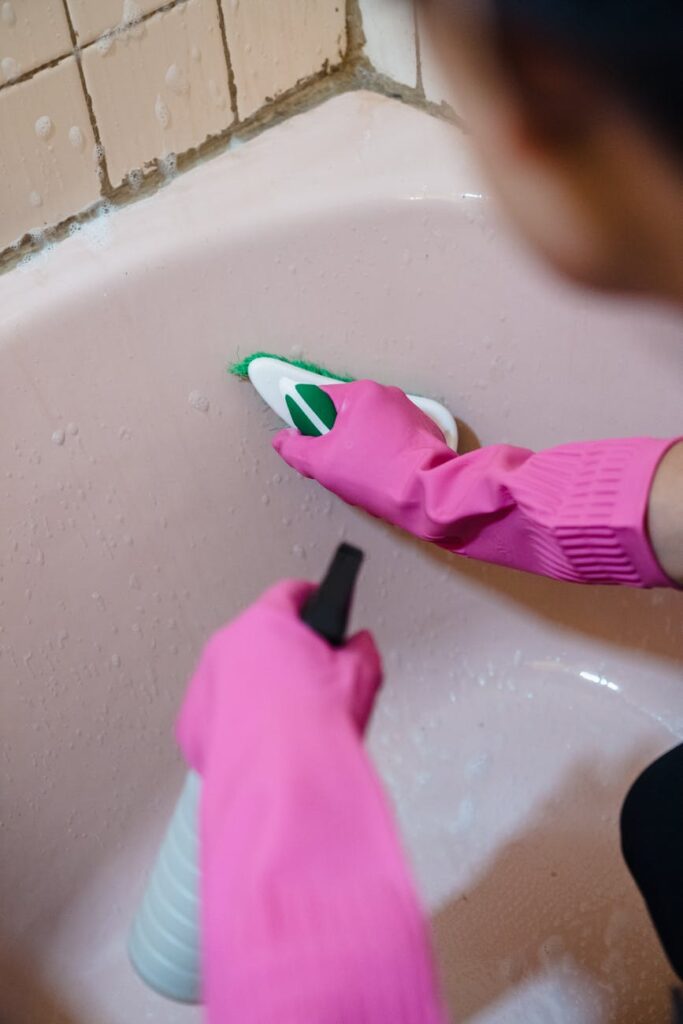
Bathroom Mildew Removal Appliances Guide Part 1
Introduction
Mildew in the bathroom is more than just an eyesore; it can lead to unpleasant odors and potential health issues. Appliances play a pivotal role in tackling this problem. In this guide, we’ll explore the causes of bathroom mildew, why it occurs, and how to effectively use appliances for its removal.
What Causes Mildew?
Mildew thrives in damp, warm environments. In bathrooms, there are several culprits:
1. High Humidity: Showers and baths increase moisture levels.
2. Poor Ventilation: Lack of airflow allows moisture to linger.
3. Condensation: Cold surfaces can lead to water droplets forming.
4. Dirty Surfaces: Soap scum and organic materials provide food for mildew.
Understanding these causes helps in addressing the right areas with the appropriate appliances.
Why This Problem Happens
Mildew grows rapidly in bathrooms due to their inherent moisture. When humidity levels exceed 60%, conditions become conducive for mildew. Factors like inadequate ventilation systems, frequent showers, and lack of cleaning contribute to the growth.
Moreover, if your bathroom is often closed off, moisture doesn’t escape, allowing mildew to flourish. Recognizing these triggers is essential for effective remediation.
How to Fix Mildew (Step-by-Step)
Step 1: Gather Your Appliances
You will need:
- Dehumidifier: Reduces humidity levels.
- Vacuum Cleaner with HEPA Filter: For cleaning surfaces.
- Steam Cleaner: Effective for killing mold spores.
- Washing Machine: For cleaning removable fabrics.
- Mix equal parts of white vinegar and water in a spray bottle.
- Spray on mildew-affected areas and allow it to sit for at least an hour before wiping clean.
- Combine baking soda and water to form a paste.
- Apply it to stubborn spots, let sit for 10 minutes, then scrub with a brush.
- Use a 3% hydrogen peroxide solution for killing mold.
- Spray directly onto the mildew and let it sit for 10-15 minutes before wiping.
- Look for mildew-specific cleaning products that contain bleach or anti-fungal agents.
- Always follow the manufacturer’s instructions for safe and effective use.
Step 2: Prepare the Area
1. Remove all items: Clear out toiletries, rugs, and towels.
2. Ventilate: Open windows or doors to increase airflow.
3. Wear protective gear: Use gloves and a mask if necessary.
Step 3: Vacuum the Surfaces
1. Use a vacuum with a HEPA filter to remove any loose spores from walls, ceilings, and corners.
2. Pay special attention to areas like behind the toilet and beneath the sink.
Step 4: Use the Steam Cleaner
1. Fill the steam cleaner with water according to the manufacturer’s instructions.
2. Apply steam to affected areas, including grout lines and corners. The high temperature kills mildew spores.
3. Wipe the area clean with a microfiber cloth afterward.
Step 5: Dehumidify
1. Place a dehumidifier in the bathroom for several hours or until the humidity level drops below 50%.
2. Monitor the humidity levels using a hygrometer.
Step 6: Wash Fabrics
1. Wash towels, shower curtains, and bath mats in the washing machine.
2. Use hot water and a detergent that contains mildew-fighting ingredients.
Best Cleaning Methods
1. Vinegar Solution
2. Baking Soda Paste
3. Hydrogen Peroxide
4. Commercial Cleaners
Common Mistakes to Avoid
1. Ignoring Ventilation: Not using exhaust fans can allow moisture to build up.
2. Using Incorrect Products: Some cleaners can exacerbate the problem instead of helping.
3. Not Cleaning Regularly: Regular cleaning can prevent mildew from taking hold.
4. Skipping Protective Gear: Always wear gloves and masks when cleaning to protect yourself.
Prevention Tips
1. Install an Exhaust Fan: This helps to remove moisture quickly after showers.
2. Use a Dehumidifier: Keep humidity levels low, especially in small bathrooms.
3. Seal Grout Lines: Use a grout sealer to minimize moisture absorption.
4. Regular Cleaning: Incorporate mildew-fighting solutions into your weekly cleaning routine.
5. Keep Surfaces Dry: Wipe down surfaces after use to prevent moisture buildup.
Frequently Asked Questions
1. How often should I clean my bathroom to prevent mildew?
Aim for at least once a week, focusing on areas prone to moisture.
2. Can I use bleach to remove mildew?
Yes, bleach can be effective, but it’s essential to use it in a well-ventilated area and follow safety guidelines.
3. What humidity level is ideal for bathrooms?
Keep humidity levels below 50% to discourage mildew growth.
4. Is it safe to use a steam cleaner on all surfaces?
Check the manufacturer’s guidelines for your steam cleaner, as some surfaces may be sensitive to high heat.
5. Can I prevent mildew with just cleaning?
While cleaning is crucial, combining it with proper ventilation and humidity control is most effective for prevention.
6. How do I know if the mildew is gone?
Check the area for any lingering discoloration or odors. If surfaces feel clean and dry, the mildew is likely removed.
By understanding the role of appliances in mildew removal and following these actionable steps, you can keep your bathroom clean and mold-free. Stay tuned for Part 2, where we delve into more advanced techniques and products for bathroom maintenance!