
Basement Mold Removal Stains Guide Part 2
Introduction
Basements are often the perfect breeding ground for mold due to their typically damp and dark conditions. Along with mold growth comes unsightly stains that can damage your home and affect its value. In this guide, we’ll explore what causes these stains, why they occur, and how to effectively remove them. We’ll also cover common pitfalls to avoid and tips to prevent future issues.
What Causes Stains?
Mold stains in basements are usually the result of:
1. Moisture Accumulation: High humidity levels, leaks, or condensation can create a perfect environment for mold growth.
2. Poor Ventilation: Insufficient airflow can trap moisture, allowing mold to flourish.
3. Organic Material: Mold thrives on materials like wood, drywall, and carpet, which can absorb moisture.
4. Dirt and Dust: Accumulated dirt can provide nutrients for mold, making it easier for stains to form.
Understanding these causes is crucial for effective stain removal and prevention.
Why This Problem Happens
Basement stains occur mostly due to environmental conditions. Here are the primary factors:
- Humidity: Basements often have higher humidity levels, especially in warmer months. This creates an ideal breeding ground for mold.
- Water Leaks: Plumbing leaks or seepage from outside can introduce water, leading to mold growth.
- Temperature Fluctuations: Changes between warm and cold can cause condensation, further promoting mold.
- Neglect: A lack of routine cleaning and inspections can let small issues escalate into significant problems.
- Protective gear (gloves, goggles, mask)
- Scrub brush or sponge
- Buckets
- Cleaning solution (vinegar, baking soda, or commercial mold remover)
- Water
- Soft cloths or towels
- For Light Stains: Mix equal parts of water and white vinegar in a spray bottle.
- For Moderate to Heavy Stains: Use a commercial mold remover or mix 1 cup of baking soda with a gallon of water.
- Using Bleach: While bleach may seem effective, it can actually contribute to mold growth by adding moisture. It’s best used for non-porous surfaces.
- Ignoring Ventilation: Even after cleaning, ensure the area is well-ventilated to prevent future growth.
- Neglecting Safety Gear: Always wear protective gear to avoid inhaling mold spores or coming into contact with harmful cleaning chemicals.
- Not Addressing the Source: If you only clean the stains without fixing the underlying moisture issue, the mold will return.
How to Fix Stains (Step-by-Step)
Removing mold stains requires a systematic approach. Follow these steps for effective cleaning:
Step 1: Gather Your Supplies
For effective removal, you’ll need:
Step 2: Identify the Affected Area
Inspect your basement thoroughly to identify all areas with mold stains. Look behind furniture, in corners, and around windows where moisture may accumulate.
Step 3: Prepare Your Cleaning Solution
Choose a cleaning solution based on the severity of the stains:
Step 4: Apply the Solution
Spray or apply your cleaning solution generously over the stained area. Allow it to sit for 10-15 minutes to penetrate the stain.
Step 5: Scrub the Area
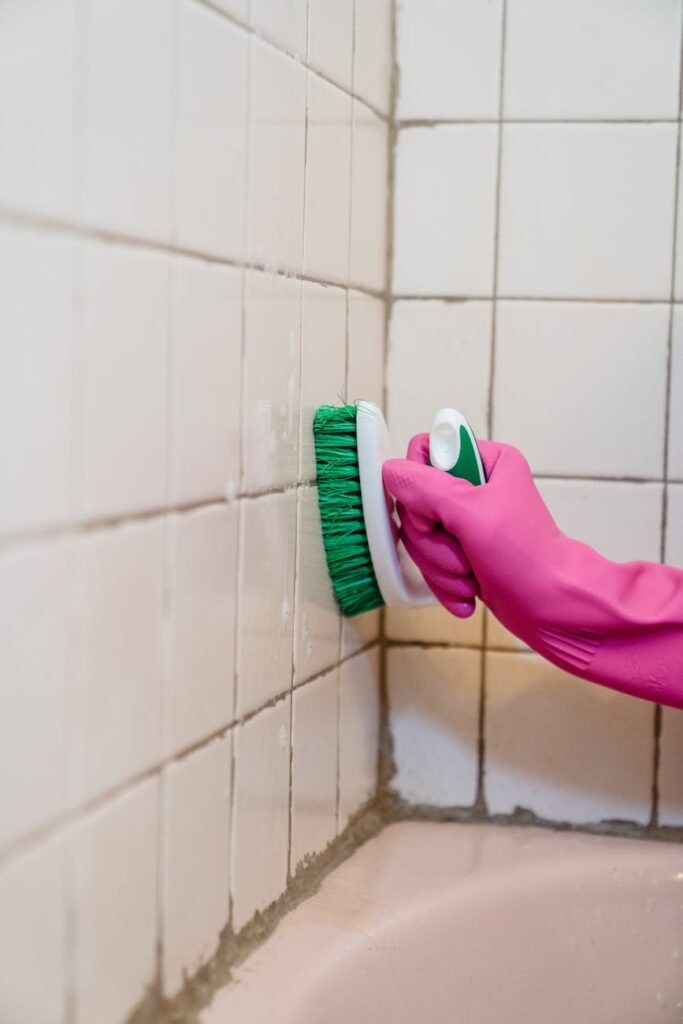
Use a scrub brush or sponge to scrub the stained area gently. For tough stains, you may need to apply more solution and scrub again.
Step 6: Rinse and Dry
After scrubbing, rinse the area with clean water to remove any residue. Wipe the area dry with a soft cloth or towel to prevent moisture from lingering.
Step 7: Dispose of Waste Properly
Dispose of any cleaning materials and debris in a sealed bag to prevent further contamination.
Best Cleaning Methods
Several methods can be effective for removing mold stains:
1. Vinegar
Vinegar is a natural disinfectant and can kill 82% of mold species. Spray it directly on the stain and let it sit for several hours before scrubbing.
2. Baking Soda
Baking soda is a gentle abrasive that can help lift stains. It also deodorizes the area. Mix with water for a paste, apply, and scrub.
3. Hydrogen Peroxide
Hydrogen peroxide is a powerful mold killer. Use a 3% solution, apply it to the stain, and let it sit for 10 minutes before scrubbing.
4. Commercial Mold Removers
For extensive mold infestations, a commercial mold remover may be necessary. Always follow the manufacturer’s instructions for safe use.
Common Mistakes to Avoid
When tackling mold stains, avoid these common pitfalls:
Prevention Tips
Taking proactive measures can help prevent mold stains from returning:
1. Control Humidity: Use a dehumidifier to keep humidity levels below 60%.
2. Ventilate: Ensure your basement is well-ventilated. Open windows when possible and consider installing vents.
3. Inspect Regularly: Periodically check for leaks or damp spots. Address any issues immediately.
4. Seal Cracks: Use caulk or sealant to close gaps in walls, floors, or windows that may allow moisture to enter.
5. Use Mold-Resistant Products: When renovating, opt for mold-resistant paint, drywall, and insulation.
6. Keep Clean: Regularly clean and declutter your basement to reduce dust and organic materials.
Frequently Asked Questions
1. How do I know if I have a mold problem?
Look for visible mold stains, a musty odor, or an increase in allergy symptoms among household members.
2. Can I remove mold stains from drywall?
Yes, but if the mold is extensive, you may need to replace the affected drywall.
3. Is it safe to use bleach for mold removal?
While bleach can kill mold on non-porous surfaces, it can also create moisture, which may worsen the problem.
4. How often should I inspect my basement for mold?
It’s advisable to inspect your basement every few months, especially after heavy rainfall or flooding.
5. Can mold grow in my basement during winter?
Yes, mold can grow in winter if there is condensation or leaks, so regular checks are essential year-round.
6. What should I do if the stains persist after cleaning?
If stains remain, you may need to consult a professional mold remediation service to address underlying issues and ensure complete removal.
By following these guidelines, you can effectively tackle and prevent mold stains in your basement, maintaining a clean and healthy home environment.